
33 British Nationals Unaccounted for Following Nepal Flash Floods
Thirty-three UK citizens remain missing after devastating flash floods struck Nepal's Rasuaw region, claiming at least 95 lives. Emergency response ongoing.
British Citizens Missing in Nepal Disaster
Authorities in Nepal have reported that 33 nationals from the United Kingdom are unaccounted for following catastrophic flooding events that swept through the nation. The Nepal flash floods represent one of the most significant natural disasters to impact the region in recent times, with search and rescue operations continuing as officials work to locate the missing individuals and assess the full extent of the damage.
The Rasuaw Region Devastation
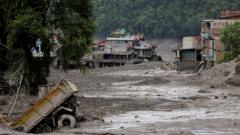
The disaster struck the Rasuaw region early Wednesday morning when powerful floodwaters and massive mudslides inundated the area with little warning. According to statements from Nepali law enforcement officials, the catastrophic event has claimed at least 95 lives, with the death toll potentially rising as rescue teams access more remote locations affected by the disaster.
The combination of flash floods and landslides created a particularly dangerous situation for residents and visitors in the region. Communities that were not properly equipped for such severe weather conditions faced overwhelming challenges as water levels rose rapidly, sweeping away homes, infrastructure, and displacing thousands of people from their residences.
Search and Rescue Efforts
Nepali authorities have mobilized extensive search and rescue operations throughout the affected zones. Emergency responders continue working around the clock to locate the 33 missing British nationals and other individuals unaccounted for in the disaster. The challenging terrain and ongoing environmental hazards have complicated recovery efforts, requiring specialized equipment and trained personnel to navigate dangerous conditions safely.
International assistance has been requested as Nepal grapples with the scale of this humanitarian crisis. The Rasuaw region flooding has left countless families displaced and infrastructure severely damaged, creating urgent needs for humanitarian aid, medical assistance, and shelter provisions.
International Response
The British government has been coordinating with Nepali authorities to identify and assist the missing nationals. Consular services have been activated to support British citizens in the affected area and provide aid to families seeking information about their loved ones. International organizations and neighboring countries have also offered support as Nepal addresses the massive humanitarian challenge.
Impact and Recovery
The extent of damage caused by this emergency response situation extends far beyond the immediate loss of life. Hundreds of homes have been destroyed or rendered uninhabitable, agricultural lands have been devastated, and critical infrastructure including roads and bridges has been damaged or destroyed. The recovery process will require sustained international support and significant investment in rebuilding efforts.
Environmental assessments indicate that the region remains vulnerable to additional flooding as weather conditions continue to be monitored closely. Authorities have issued warnings for residents in downstream areas to remain vigilant and prepared for potential secondary disasters.
Community Impact
Local communities in the Rasuaw area face unprecedented challenges in the aftermath of this natural disaster. Beyond the immediate casualties and missing persons, countless individuals have experienced loss of property, livelihoods, and stability. Schools, hospitals, and public facilities have sustained significant damage, complicating efforts to provide essential services to survivors.
The disaster serves as a stark reminder of the vulnerability of regions prone to extreme weather events and the importance of disaster preparedness and early warning systems. Nepal's efforts to improve infrastructure resilience and emergency response capabilities will be critical to reducing the impact of future natural disasters.