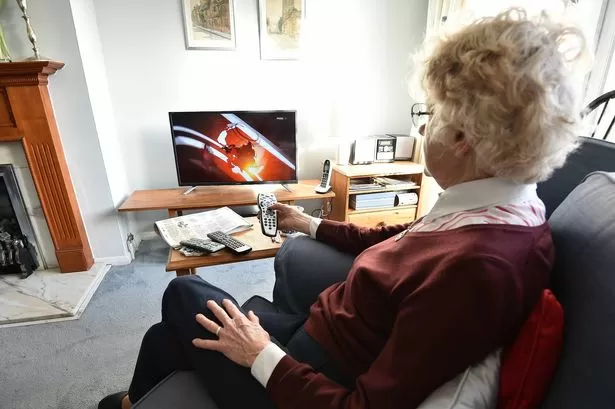
Great news for all those who enjoy watching television in the United Kingdom! After a period of being frozen, the licence fee will be rising again in April 2025. This announcement has been welcomed by both the public and the broadcasting industry, as it will bring much needed funding to support the high-quality content that we all know and love.
But let’s take a step back and understand what the licence fee is and why it is important. The licence fee is a payment made by households in the UK to fund the British Broadcasting Corporation (BBC). This payment is used to maintain the BBC’s independence and to ensure that it can provide impartial, high-quality programming without being influenced by commercial interests. The licence fee also helps to fund other public service broadcasters, such as Channel 4 and S4C, which provide a diverse range of productions and contribute to the UK’s cultural landscape.
The decision to freeze the licence fee was made in 2010 as part of the government’s austerity measures. This was a challenging time for many industries, and the broadcasting sector was not exempt from the impact of budget cuts. As a result, the licence fee remained at £145.50 per household until now. However, with the economy gradually recovering and the broadcasting industry facing new challenges, it was only a matter of time before the licence fee needed to be reviewed.
So why will the licence fee be rising again in 2025? From a financial perspective, it is necessary to ensure that the BBC and other public service broadcasters have the resources to continue producing high-quality content. This includes investing in new technologies, creating original programming, and maintaining services for all audiences, including those in remote and rural areas. By increasing the licence fee, the BBC will be able to provide better services and improve the overall viewer experience.
Moreover, the rise in the licence fee is also a reflection of the changing media landscape. With the rise of streaming services and online platforms, traditional broadcasters have had to adapt and compete for viewership. The licence fee will allow the BBC to stay competitive and continue to provide diverse and engaging content for all audiences. It will also ensure that the BBC remains an important source of trusted news and information in an age of misinformation and fake news.
But what does this mean for the public? Will households have to pay significantly more for their TV licence? The answer is no. The rise in the licence fee will be gradual, with an expected increase of no more than £5 per year. This means that by April 2025, the licence fee will still be well below the rate of inflation, making it an affordable and reasonable cost for households.
Furthermore, the BBC has also committed to ensuring that the licence fee remains fair and accessible for all. This includes offering concessions for those on low incomes and free TV licences for those over 75. The BBC will also continue to provide a wide range of high-quality programming for children and the elderly, as well as investing in regional and local content.
In conclusion, the decision to increase the licence fee in April 2025 is a positive step towards securing the future of the BBC and other public service broadcasters. It will not only provide the necessary funding for these institutions, but also ensure that they can continue to provide high-quality, diverse programming for all audiences. The licence fee is an essential investment in our cultural and media landscape, and with the gradual rise in 2025, it remains a fair and affordable cost for households. So let’s look forward to experiencing even more great content from the BBC and other public service broadcasters in the years to come.