
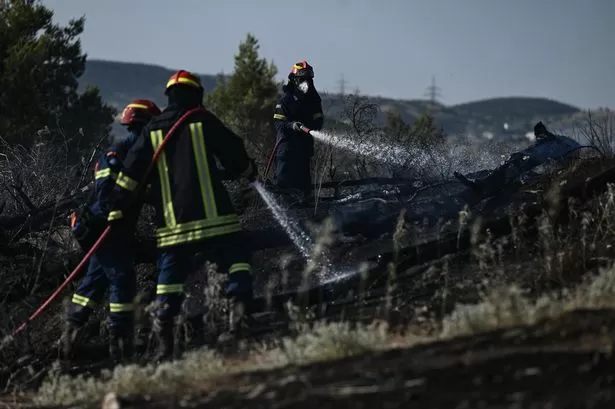
Climate change has been a hot topic in recent years, and for good reason. The effects of this global phenomenon are becoming increasingly apparent, with extreme weather events such as hurricanes, floods, and heatwaves becoming more frequent and intense. However, one of the most concerning consequences of climate change is the increase in wildfires. Authorities have warned that climate change is fueling bigger and more frequent blazes, and it’s time for us to take action.
Wildfires have always been a natural occurrence, but the recent surge in their frequency and intensity is alarming. In the United States alone, there were over 58,000 wildfires in 2020, burning more than 10 million acres of land. This is a significant increase from the average of 30,000 wildfires per year in the 1990s. The situation is not much better in other parts of the world, with Australia, Brazil, and Russia also experiencing devastating wildfires in recent years.
So, what is causing these bigger and more frequent blazes? The answer is simple: climate change. Rising temperatures, prolonged droughts, and changing weather patterns are all contributing to the perfect conditions for wildfires to thrive. As the Earth’s temperature continues to rise, the risk of wildfires will only increase.
One of the main factors contributing to the increase in wildfires is the prolonged droughts caused by climate change. With less rainfall, vegetation becomes dry and more susceptible to catching fire. This, combined with strong winds, creates the perfect conditions for a wildfire to spread quickly and uncontrollably. In addition, the changing weather patterns caused by climate change are also playing a role. Warmer temperatures and stronger winds are creating a drier and more flammable environment, making it easier for wildfires to start and spread.
The consequences of these bigger and more frequent blazes are devastating. Not only do they destroy homes and communities, but they also have a significant impact on the environment. The smoke and ash from wildfires can pollute the air and water, harming both humans and wildlife. The loss of vegetation also contributes to soil erosion and can lead to mudslides and floods. These wildfires also release large amounts of carbon dioxide into the atmosphere, further exacerbating the effects of climate change.
Authorities have been working tirelessly to combat these wildfires, but it’s clear that we need to do more. The first step is to acknowledge that climate change is real and is a significant contributing factor to these disasters. We must also take immediate action to reduce our carbon footprint and slow down the effects of climate change. This includes transitioning to renewable energy sources, reducing our use of fossil fuels, and implementing sustainable practices in our daily lives.
In addition, we must also be prepared for the inevitable wildfires that will occur. This includes investing in better firefighting equipment and training, as well as implementing better land management practices. Prescribed burns, where controlled fires are used to reduce the amount of dry vegetation, can also help prevent larger wildfires from occurring.
But it’s not just up to the authorities to take action. Each and every one of us has a role to play in mitigating the effects of climate change. We can all make small changes in our daily lives, such as using public transportation, reducing our meat consumption, and recycling, that can have a big impact in the long run. We must also hold our governments accountable and demand that they take action to address climate change.
It’s time for us to come together and take action against climate change. We cannot afford to ignore the warning signs any longer. The increase in bigger and more frequent wildfires is just one of the many consequences of climate change, and if we don’t act now, the situation will only get worse. Let’s work towards a greener and more sustainable future for ourselves and for future generations.