The beautiful region of Kashmir has long been known for its rich culture and exquisite products. From the vibrant saffron fields to the intricate shawls, Kashmiri products have always been a symbol of luxury and elegance. And now, once again, these products have taken center stage as a means of fostering goodwill between leaders and dignitaries.
In recent news, we have seen several examples of leaders and dignitaries exchanging Kashmiri products as a gesture of friendship and diplomacy. This is not a new trend, but rather a long-standing tradition that has been carried on for centuries. The use of Kashmiri products as a symbol of goodwill has a deep-rooted history and holds great significance in building strong relationships between nations.
One of the most famous examples of this tradition dates back to the Mughal era, when the Mughal emperor Jahangir gifted a Kashmiri shawl to the British ambassador, Sir Thomas Roe. This gesture not only impressed the ambassador but also paved the way for a strong alliance between the two nations. Since then, Kashmiri products have been used as a diplomatic tool to strengthen ties between countries.
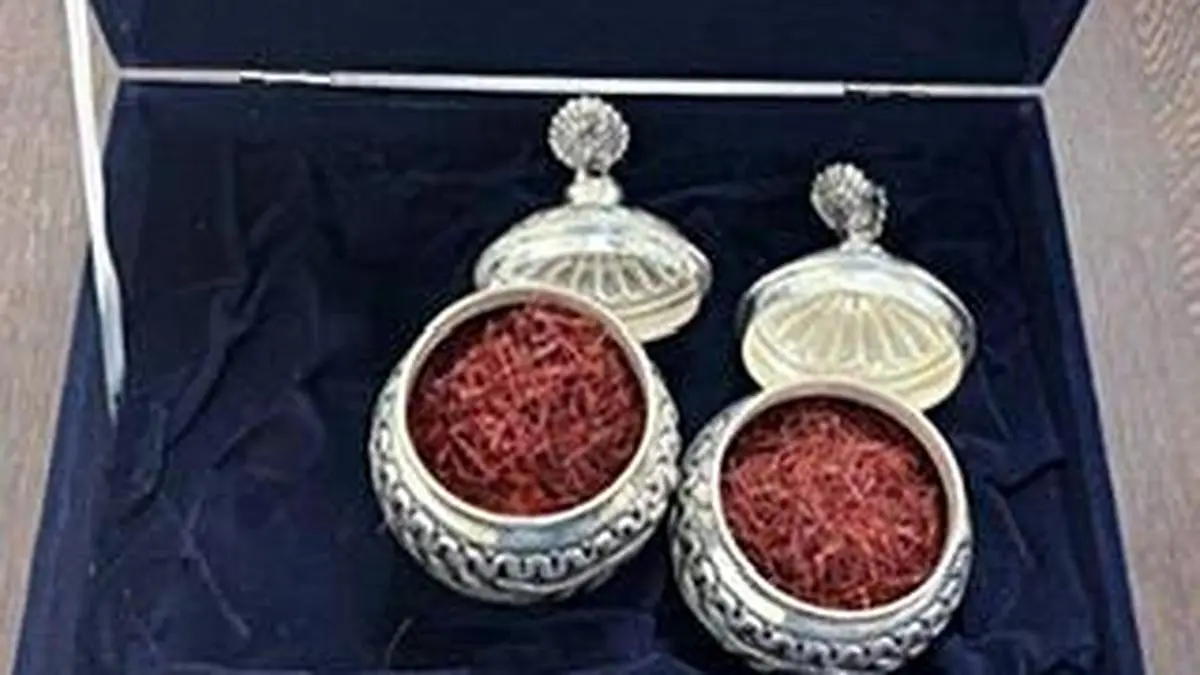
The latest example of this tradition was seen during the recent visit of the Prime Minister of India, Narendra Modi, to the United States. During his meeting with the US President, Donald Trump, Prime Minister Modi gifted him a Kashmiri shawl and a box of saffron. This gesture not only showcased the rich culture of Kashmir but also highlighted the strong bond between the two nations.
Similarly, during his visit to Saudi Arabia, Prime Minister Modi gifted the Saudi King, Salman bin Abdulaziz Al Saud, a Kashmiri shawl and a box of saffron. This gesture was seen as a symbol of the growing friendship between the two countries and was highly appreciated by the Saudi King.
The use of Kashmiri products as a symbol of goodwill is not limited to political leaders, but also extends to other dignitaries and celebrities. Recently, the Duke and Duchess of Cambridge, Prince William and Kate Middleton, were gifted a Kashmiri shawl during their visit to Pakistan. This gesture not only highlighted the beauty of Kashmiri products but also showcased the warm hospitality of the Pakistani people.
The tradition of exchanging Kashmiri products as a symbol of goodwill has not only strengthened diplomatic ties but has also helped in promoting the rich culture and heritage of Kashmir. The exquisite saffron, known as the “golden spice”, is not only a symbol of luxury but also has numerous health benefits. The fine shawls, handcrafted by skilled artisans, are a testament to the rich craftsmanship of Kashmir.
Moreover, the use of Kashmiri products as a diplomatic tool has also provided a boost to the local economy. The demand for these products has increased, leading to more employment opportunities for the local artisans and farmers. This has not only improved their standard of living but has also helped in preserving the traditional art forms of Kashmir.
In conclusion, the use of Kashmiri products as a symbol of goodwill between leaders and dignitaries is a tradition that has stood the test of time. It not only strengthens diplomatic ties but also promotes the rich culture and heritage of Kashmir. As we continue to see these products being exchanged between nations, let us appreciate the power of these small gestures in building strong relationships and promoting peace and harmony.