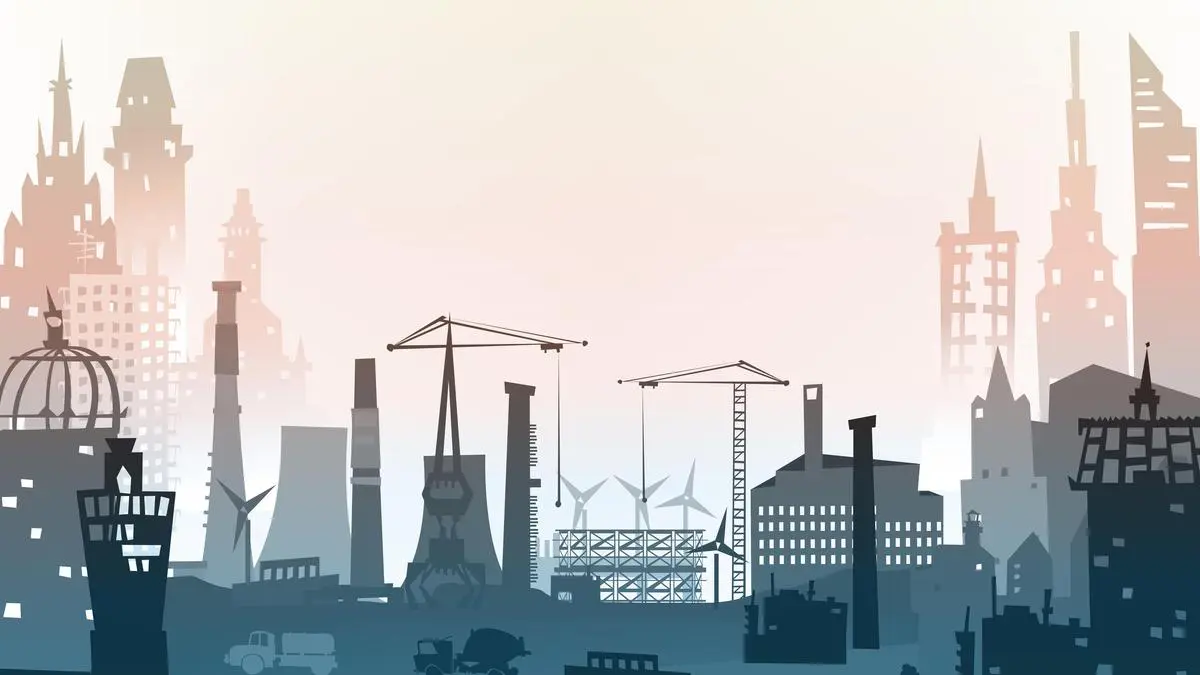
In an effort to boost urban development and sustainability, the State Government has announced its plan to prioritize the development of five smart cities with deep integration of Internet of Things (IoT). This is part of a larger project which includes upgrading 2,500km of urban road networks, introducing 15 new urban transit systems, and state-wide adoption of green building norms to achieve 40% higher energy efficiency.
With the growing population and rapid urbanization, it has become crucial for cities to adopt smart and sustainable solutions to meet the needs of their citizens. The State government’s decision to focus on developing five smart cities is a step towards building advanced, efficient, and livable urban centers. These cities will be equipped with advanced IoT technology, which will enable better management of resources, improved infrastructure, and smarter services for its residents.
IoT is a network of interconnected devices that collect and exchange data using sensors, software, and internet connectivity. Its integration will allow cities to monitor and manage various aspects such as energy consumption, waste management, traffic control, and water supply. This will not only lead to better urban planning but also help in reducing the carbon footprint and promoting sustainability.
The upgrade of 2,500 km of urban road networks is another significant step towards developing modern and efficient transport systems. With the rise in private vehicles, cities are facing major challenges in terms of traffic congestion, air pollution, and fuel consumption. Upgrading the road network will not only reduce travel time but also promote the use of public transport. In addition, this will create better connectivity within and between cities, encouraging economic growth and job opportunities.
The introduction of 15 new urban transit systems will provide the citizens with convenient, safe, and sustainable modes of transportation. These systems may include metro, tram, bus rapid transit, and urban cable cars. By investing in modern and eco-friendly public transport systems, the State government aims to reduce the reliance on private vehicles, thus reducing the carbon footprint and promoting a cleaner environment.
Moreover, the State government has also set a goal to achieve higher energy efficiency through the statewide adoption of green building norms. This means that all new constructions and buildings will have to adhere to the standards set for energy-efficient and sustainable designs. This step is crucial in reducing the energy consumption of buildings, which account for a significant portion of carbon emissions. Green buildings not only have a lower impact on the environment but also provide a healthier and more comfortable living for its occupants.
The government’s initiative to prioritize the development of smart cities, upgrade urban road networks, introduce new transit systems, and promote green building norms is a commendable step towards creating a sustainable future. These efforts will not only improve the quality of life for citizens but also attract businesses, investors, and tourists. It will also create job opportunities in the construction and technology sectors, thus boosting the economy.
The State government’s vision aligns with the United Nations’ Sustainable Development Goals (SDGs), which aim to create sustainable and inclusive cities. By implementing these measures, the State is demonstrating its commitment to achieving these goals and is setting an example for other states and countries to follow.
In conclusion, the State government’s decision to prioritize the development of smart cities with deep IoT integration, upgrade urban road networks, introduce new transit systems, and promote green building norms targeting higher energy efficiency is a significant step towards creating sustainable and livable urban centers. This ambitious project will not only benefit the citizens but also contribute towards a cleaner and greener environment for generations to come. Let us all support and work towards achieving this vision of a smarter and more sustainable future for our cities.