
Six Archives Across Britain Achieve Accredited Status for the First Time
The preservation of history and culture is an essential part of any society. It allows us to learn from the past and shape a better future. This is why the recent announcement of six contrasting archives from different parts of Britain achieving accredited status is a momentous occasion.
Accredited status is awarded by The National Archives, the official archive of the UK government, to archives that meet a set of rigorous standards. These standards ensure that the archives are properly managed, preserved, and accessible to the public. This recognition is a testament to the hard work and dedication of the staff at these archives in preserving and sharing the history of their respective regions.
The six archives that have recently achieved accredited status are York Minster, Hackney Borough, Bradford’s National Science and Media Museum, The Royal College of Surgeons of Edinburgh, The Royal College of Physicians of Edinburgh, and The University of Manchester’s John Rylands Library. These archives offer a diverse range of historical records, each with its own unique story to tell.
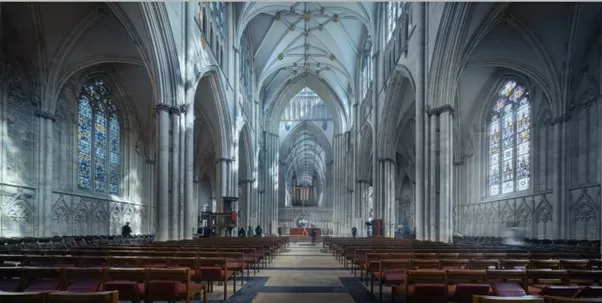
The York Minster archive, located in the city of York in North Yorkshire, holds records dating back to the 11th century. It is home to one of the grandest religious buildings in England and is a testament to the city’s rich history. The archive contains a wealth of information about the construction and restoration of the cathedral, as well as records of the people who have lived and worked there over the centuries.
Moving to the bustling city of London, we find the Hackney Borough archive, which holds records dating back to 1356. This archive provides a fascinating insight into the local history of the borough, from the medieval period to modern times. It is a valuable resource for anyone interested in the social, economic, and political development of this vibrant part of the capital.
The National Science and Media Museum in Bradford is home to a collection of over 3 million items, including photographs, films, and television programs. Its archive charts the exciting developments in science and media over the past century, making it a valuable resource for researchers and enthusiasts alike.
The Royal College of Surgeons of Edinburgh and The Royal College of Physicians of Edinburgh both hold archives that document the history of medicine and surgery in Scotland. These archives provide a unique insight into the development of these professions and the individuals who have made significant contributions to the field.
Last but not least, The University of Manchester’s John Rylands Library is home to a vast collection of rare books, manuscripts, and archives. It is one of the world’s finest collections of early printed books and is a treasure trove for researchers and book lovers.
Achieving accredited status is no easy feat, and these archives have worked tirelessly to meet the strict standards set by The National Archives. This recognition not only highlights their commitment to preserving history but also ensures that the public can access and learn from these valuable resources.
In addition to being a source of knowledge and education, these archives also play a crucial role in promoting tourism and attracting visitors to these regions. They are a testament to the rich cultural heritage of Britain and are a must-visit for anyone interested in delving into the past.
As we celebrate the achievement of these six archives, it is also essential to recognize and support the many other archives across Britain that work tirelessly to preserve our history and culture. They play a vital role in shaping our understanding of the past and inspiring future generations.
In conclusion, the accreditation of these six archives is a significant milestone for the preservation of history in Britain. It is a testament to their dedication and hard work and a celebration of the rich and diverse cultural heritage of this nation. Let us continue to support and celebrate the important work of these archives and ensure that our history is preserved for generations to come.