
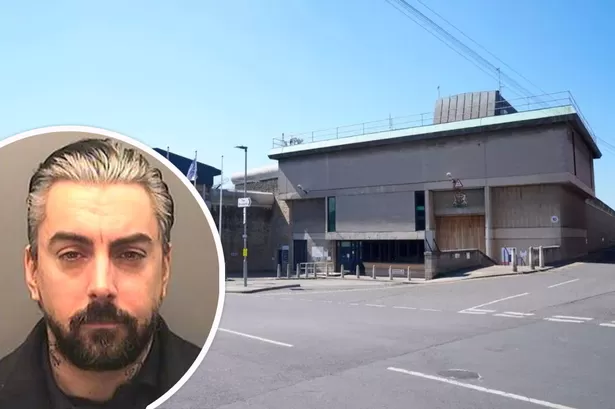
Ian Watkins, the former lead singer of the band Lostprophets, made headlines recently when he was found dead in his cell at HMP Wakefield. This news has shocked and saddened many, but it is not the first time that a high-profile prisoner has died at this notorious prison.
HMP Wakefield, also known as “Monster Mansion”, has gained a reputation as one of the most dangerous and violent prisons in the UK. It houses some of the country’s most notorious criminals, including serial killers, terrorists, and high-profile celebrities. Unfortunately, it has also become known for the deaths of some of its inmates.
One of the most well-known cases is that of Harold Shipman, also known as “Dr. Death”. Shipman was a British doctor who was convicted of murdering 15 of his patients, but it is believed that he may have killed over 250 people. He was sentenced to life in prison and was found dead in his cell at HMP Wakefield in 2004. His death was ruled a suicide, and it sparked controversy and raised questions about the safety and security of the prison.
Another high-profile prisoner who died at HMP Wakefield was Charles Bronson, also known as “Britain’s most violent prisoner”. Bronson was serving a life sentence for armed robbery and had a history of violence and aggression towards prison staff and fellow inmates. He died in 2014 at the age of 81, and his death was also ruled a suicide. His case raised concerns about the mental health support and treatment available to inmates at HMP Wakefield.
These are just two examples of the many deaths that have occurred at HMP Wakefield over the years. The prison has been criticized for its high level of violence and the lack of resources and support for prisoners with mental health issues. It has also been reported that the prison is severely understaffed, which can lead to dangerous situations for both inmates and staff.
The recent death of Ian Watkins has once again brought attention to the issues surrounding HMP Wakefield. Watkins was serving a 35-year sentence for child sex offenses, and his death has been met with mixed reactions. While some may see it as a fitting end for a despicable criminal, others have raised concerns about the prison’s ability to keep its inmates safe.
It is important to remember that regardless of their crimes, these prisoners are still human beings. They are someone’s son, daughter, brother, or sister, and their deaths should not be taken lightly. It is the responsibility of the prison system to ensure the safety and well-being of all inmates, regardless of their notoriety.
The deaths at HMP Wakefield highlight the need for reform and improvement within the prison system. It is not enough to simply lock people up and forget about them. Prisons should be places of rehabilitation and support, where inmates can receive the help they need to turn their lives around.
In the wake of these deaths, it is crucial that the government takes a closer look at the conditions and practices within HMP Wakefield. Steps must be taken to address the issues of violence, understaffing, and lack of mental health support. Only then can we hope to prevent further tragedies from occurring.
In conclusion, Ian Watkins is not the first high-profile prisoner to have died at HMP Wakefield, and unfortunately, he may not be the last. The prison has a dark history of violence and neglect, and it is time for change. We must remember that these prisoners are still human beings and deserve to be treated with dignity and respect. Let us hope that the deaths of these individuals will not be in vain and that steps will be taken to improve the conditions within HMP Wakefield.