
The United States has long been known as a land of opportunity, attracting individuals from all over the world with its promise of a better life. One of the ways in which this promise is fulfilled is through the issuance of visas, allowing individuals to work and contribute to the country’s economy and society. However, a recent decision by the US government has caused concern among many, as it could potentially hinder the recruitment of critical workers such as teachers and doctors.
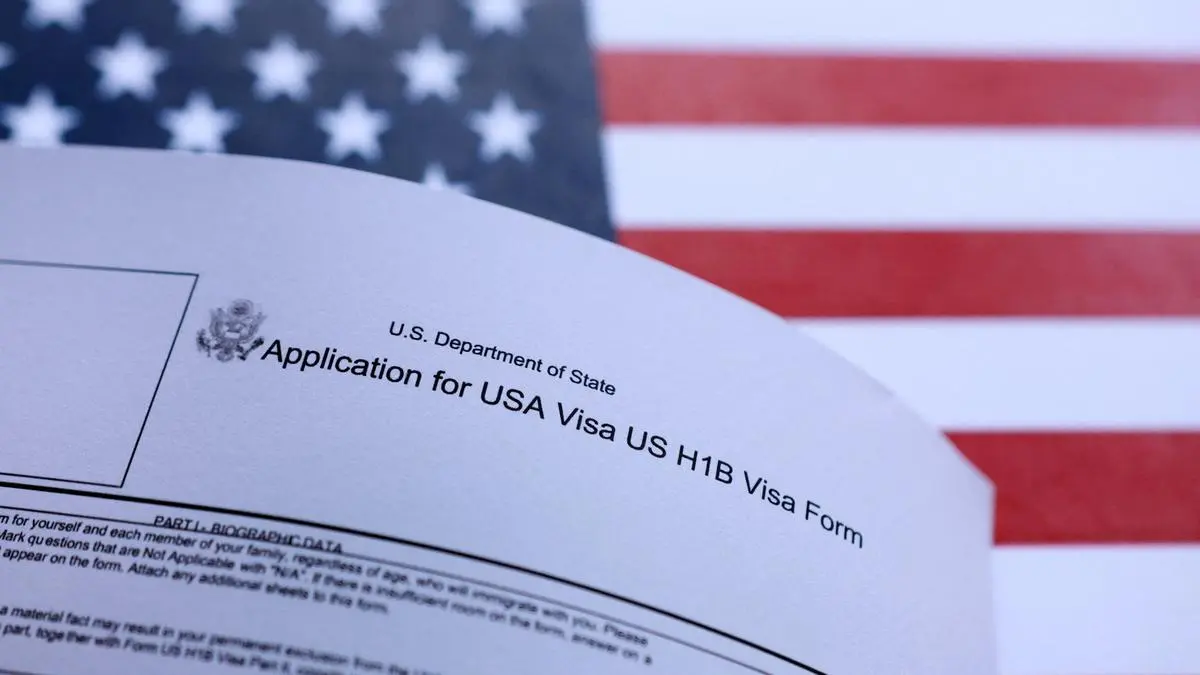
The decision in question is the implementation of a new fee for certain types of visas, known as the H-1B and L-1 visas. These visas are commonly used by big tech companies to bring in highly skilled workers from other countries to fill specialized positions. The new fee, which is set to go into effect on October 2nd, would require these companies to pay an additional $4,000 for each H-1B visa and $4,500 for each L-1 visa. This is in addition to the existing fees that these companies already pay for these visas.
While the impact of this new fee on big tech companies has been widely discussed, there has been less attention given to its potential effect on the recruitment of critical workers. These workers, including teachers and doctors, play a vital role in our society and are essential for the well-being of our communities. They are often recruited from other countries due to their specialized skills and expertise, and the new fee could make it more difficult for them to come to the United States.
The recruitment of teachers and doctors from other countries has been a longstanding practice in the United States. Many of these individuals come from countries where there is a surplus of qualified professionals, and they are eager to share their knowledge and skills in a new environment. This not only benefits the US education and healthcare systems, but it also allows for cultural exchange and diversity within our communities.
The new fee for H-1B and L-1 visas could potentially deter these critical workers from coming to the United States. The additional financial burden placed on their potential employers could make it less attractive for them to hire these workers, and in turn, limit the number of teachers and doctors available to fill important positions. This could have a ripple effect on our education and healthcare systems, ultimately impacting the well-being of our society.
Furthermore, the new fee could also discourage these critical workers from pursuing opportunities in the United States in the first place. Many of these individuals come from countries where the cost of living is significantly lower, and the additional fee could make it financially unfeasible for them to relocate to the US. This could result in a loss of highly skilled professionals who could have made valuable contributions to our society.
It is also important to note that the recruitment of critical workers is not limited to big tech companies. Many small and medium-sized businesses also rely on these visas to bring in specialized workers who are essential to their operations. The new fee could have a significant impact on these businesses as well, hindering their ability to grow and thrive.
In light of these potential consequences, it is crucial that the US government reconsiders the implementation of this new fee. While it is understandable that the government is looking for ways to generate revenue, it is essential to consider the long-term effects of such decisions. The recruitment of critical workers is vital for the continued growth and success of our country, and any barriers to this process could have far-reaching consequences.
In conclusion, while the majority of visas are used by big tech companies, the new fee for H-1B and L-1 visas could also have a significant impact on the recruitment of critical workers such as teachers and doctors. These individuals play a crucial role in our society, and any obstacles to their recruitment could have far-reaching consequences. It is important for the US government to carefully consider the implications of this new fee and find alternative solutions that do not hinder the recruitment of these essential workers. Let us continue to welcome individuals from all over the world who are eager to contribute to the growth and prosperity of our nation.