
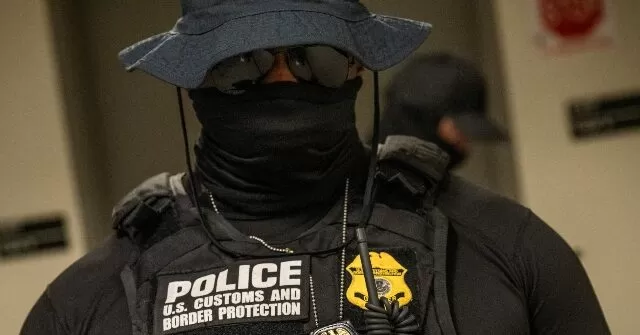
A recent incident involving a European activist’s use of AI technology to identify Immigration and Customs Enforcement (ICE) officers has sparked a heated debate over the ethical implications of AI-powered surveillance and its potential impact on law enforcement. The activist, whose identity remains anonymous, has been hailed as a hero by some and criticized by others for their actions.
The incident took place during a protest against ICE’s controversial policies, where the officers were wearing masks to conceal their identities. The activist, armed with a smartphone and an AI-powered facial recognition app, was able to identify several officers by scanning their faces and matching them with publicly available images of ICE officers.
The use of AI technology in this manner has raised concerns about privacy and the potential misuse of such powerful tools. Many have questioned the legality of the activist’s actions and whether it violates the officers’ right to anonymity. However, others argue that in the face of injustice and human rights violations, such tactics are necessary to hold those in power accountable.
The incident has also reignited the debate over the use of AI technology in law enforcement. While some argue that it can be a valuable tool in identifying criminals and solving crimes, others fear that it could be used to target and discriminate against certain groups of people. The use of facial recognition technology has been criticized for its potential to perpetuate racial biases and violate civil liberties.
Despite the controversy surrounding the activist’s actions, it cannot be denied that their use of AI technology has brought attention to the issue of ICE’s practices and sparked a much-needed conversation about the role of AI in law enforcement. It has also highlighted the need for stricter regulations and guidelines for the use of such technology.
The use of AI in law enforcement is not a new concept. Police departments around the world have been utilizing facial recognition technology to identify suspects and prevent crime. However, the use of this technology by individuals, particularly activists, is a new development that raises questions about the boundaries of privacy and the role of citizens in holding authorities accountable.
The activist’s actions have also highlighted the power of AI technology and its potential to challenge the status quo. In a world where governments and corporations have access to vast amounts of data and information, individuals armed with AI technology can level the playing field and hold those in power accountable.
However, with great power comes great responsibility. It is essential for individuals to use AI technology ethically and responsibly. The activist’s actions have sparked a debate about the need for regulations and guidelines for the use of AI in law enforcement. It is crucial for governments and tech companies to work together to establish clear boundaries and ensure that AI technology is used for the greater good.
Furthermore, the incident has also raised questions about the role of activism in the digital age. With the rise of social media and technology, activists have a powerful tool at their disposal to bring attention to important issues and hold those in power accountable. However, this incident also serves as a reminder that with this power comes the responsibility to use it wisely and ethically.
In conclusion, the use of AI technology by a European activist to identify masked ICE officers has ignited a heated debate about the ethical implications of AI-powered surveillance and its potential impact on law enforcement. While some see it as a necessary tool to hold authorities accountable, others raise concerns about privacy and misuse. It is essential for governments and tech companies to work together to establish regulations and guidelines for the use of AI technology. Ultimately, it is up to individuals to use this powerful tool ethically and responsibly to bring about positive change in society.