
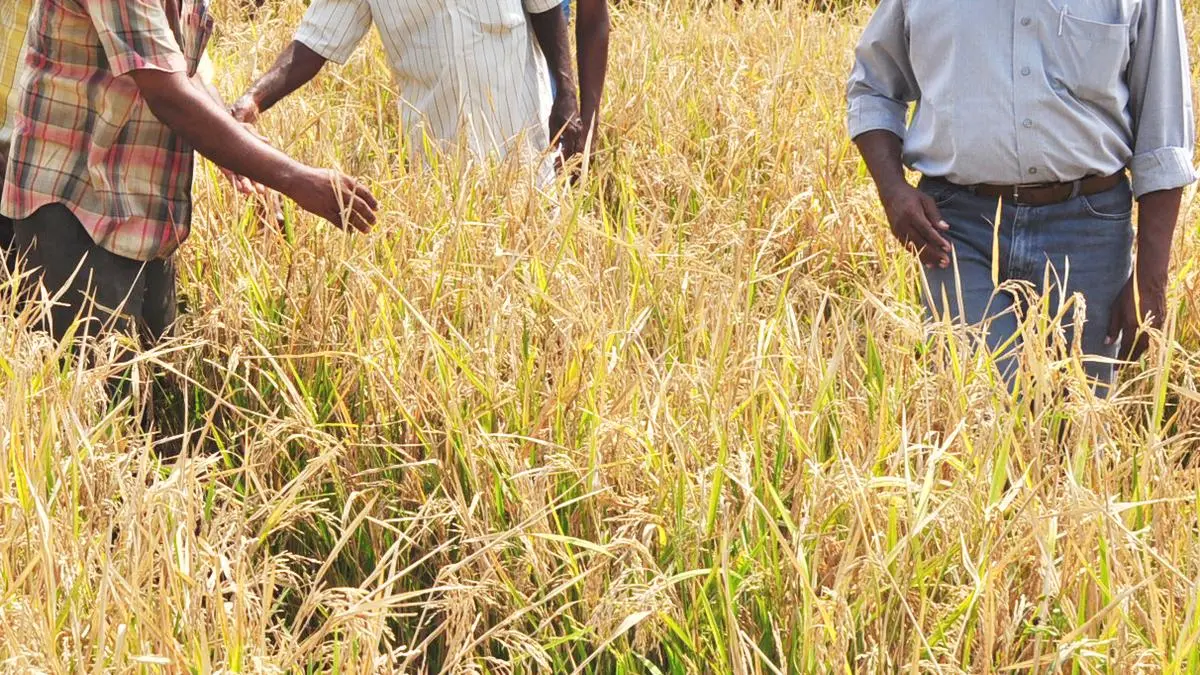
Farmers are the backbone of our society. They work tirelessly to provide us with the food we need to survive. However, with the increasing global population and changing climate conditions, the demand for food has also increased. This has put pressure on farmers to produce more crops in a limited amount of land. In order to meet this demand, farmers are now turning towards hybrid crops, which offer higher yields and returns.
Hybrid crops are created by cross-pollinating two different varieties of the same plant species. This results in a plant with desirable traits from both parents, such as disease resistance, higher yield potential, and better quality produce. These crops have been gaining popularity among farmers due to their numerous benefits.
One of the main advantages of hybrid crops is their higher yield potential. With traditional crops, farmers often face challenges such as pests, diseases, and adverse weather conditions, which can lead to lower yields. However, hybrid crops are specifically designed to be more resilient and have a higher tolerance to these challenges. This results in a more consistent and higher yield, providing farmers with a steady income.
Moreover, hybrid crops also offer better quality produce. They are bred to have specific characteristics, such as a longer shelf life, uniform size and shape, and better taste. This makes them more appealing to consumers and can fetch a higher price in the market. As a result, farmers can earn a better profit from their crops.
Another benefit of hybrid crops is their adaptability to different soil and weather conditions. Traditional crops are often limited to specific regions or climates, making it difficult for farmers to grow them in different areas. However, hybrid crops have been developed to thrive in various environments, making them suitable for cultivation in different parts of the world. This not only provides farmers with more options but also helps in increasing food production globally.
Furthermore, hybrid crops require less water and fertilizer compared to traditional crops. This is because they have been genetically modified to be more efficient in utilizing these resources. This not only helps in conserving these valuable resources but also reduces the cost of production for farmers. In addition, the use of less water and fertilizer also has a positive impact on the environment by reducing pollution and conserving natural resources.
The success of hybrid crops can be seen in the increasing number of farmers who are showing interest in planting them. In India, for example, the adoption of hybrid seeds has increased from 5% in 1970 to 40% in 2000. This trend is not limited to India but can be seen globally, with countries like China, Brazil, and the United States leading the way in hybrid crop production.
The government and various agricultural organizations have also been promoting the use of hybrid crops among farmers. They have been providing subsidies and training programs to educate farmers about the benefits of hybrid crops and how to effectively grow them. This has not only helped in increasing the adoption of hybrid crops but has also improved the overall productivity of the agricultural sector.
In addition to the economic benefits, hybrid crops also have a positive impact on food security. As mentioned earlier, these crops have a higher yield potential, which means more food can be produced on the same amount of land. This is crucial in a world where the population is constantly increasing, and the availability of arable land is decreasing. Hybrid crops can play a significant role in ensuring food security for the growing population.
However, it is important to note that the success of hybrid crops is not solely dependent on the technology used. Farmers also play a crucial role in the success of these crops. They need to be well-informed and trained in the proper cultivation techniques and management practices. This includes the timely use of fertilizers and pesticides, proper irrigation, and crop rotation. With the right knowledge and skills, farmers can maximize the potential of hybrid crops and reap the benefits they offer.
In conclusion, the increasing interest of farmers in planting hybrid crops is a positive development in the agricultural sector. These crops offer higher yields, better quality produce, and have a positive impact on food security and the environment. With the support of the government and agricultural organizations, the adoption of hybrid crops is expected to continue to grow, benefiting both farmers and consumers. It is indeed a step towards a more sustainable and productive future for the agricultural sector.