
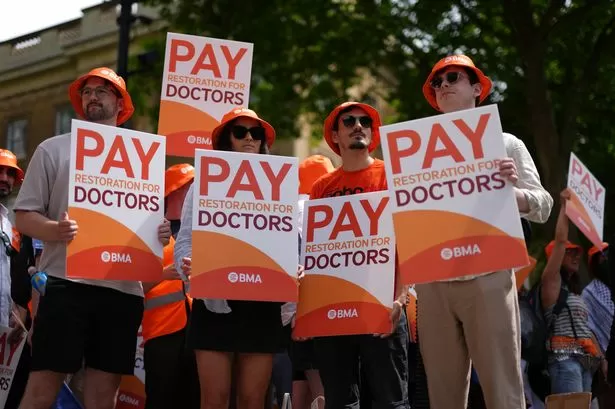
The British Medical Association (BMA) has recently made a bold move by demanding a 29% pay rise for its members. This demand has caused quite a stir in the medical community and has sparked debates about the importance of fair compensation for healthcare professionals.
The BMA, which represents over 150,000 doctors and medical students in the UK, has stated that this pay rise is necessary in order to address the growing workload and stress levels of its members. The association argues that doctors are facing increasing pressure and demands in their roles, and that their current salaries do not reflect the level of dedication and hard work they put into their jobs.
This demand for a pay rise comes after years of pay freezes and below-inflation increases for doctors in the UK. In fact, according to a recent survey, doctors’ pay has decreased by 22% in real terms since 2008. This has had a significant impact on the morale and motivation of doctors, who feel undervalued and underappreciated for the crucial role they play in society.
The BMA’s demand for a 29% pay rise may seem like a large figure, but it is important to understand the context behind it. The association has carefully calculated this figure based on the rising cost of living, the increasing workload of doctors, and the need to attract and retain talented individuals in the medical field. The BMA believes that this pay rise is necessary in order to ensure the sustainability of the NHS and the quality of care provided to patients.
It is also worth noting that this demand for a pay rise is not just about money. The BMA is also calling for better working conditions and improved staffing levels in hospitals and clinics. These factors are crucial in ensuring the well-being of doctors and their ability to provide the best possible care to their patients. By addressing these issues, the BMA is not only advocating for the rights of its members, but also for the overall improvement of the healthcare system in the UK.
Some may argue that a 29% pay rise is too much to ask for, especially in a time when the NHS is facing financial challenges. However, it is important to remember that doctors are the backbone of the NHS and their dedication and hard work should not be taken for granted. They deserve to be fairly compensated for their tireless efforts and the sacrifices they make in order to provide quality healthcare to the people of the UK.
Moreover, a pay rise for doctors would also have a positive impact on the economy. Doctors are highly skilled professionals who contribute greatly to the country’s economy. By giving them a fair pay, the government would not only be investing in the well-being of its citizens, but also in the growth and development of the country.
In light of all these factors, it is clear that the BMA’s demand for a 29% pay rise is not only justified, but also necessary. It is time for the government to recognize the hard work and dedication of doctors and to take action to address their concerns. The BMA’s call for a pay rise is not just about money, it is about ensuring the sustainability and quality of the NHS for the benefit of all.
In conclusion, the BMA’s demand for a 29% pay rise is a bold and necessary move in the fight for fair compensation for doctors. It is a call to action for the government to recognize the crucial role of doctors and to invest in the well-being of its citizens. Let us support the BMA in their efforts to ensure that doctors are fairly compensated for their hard work and dedication. After all, a healthy and happy workforce leads to a healthier and happier society.