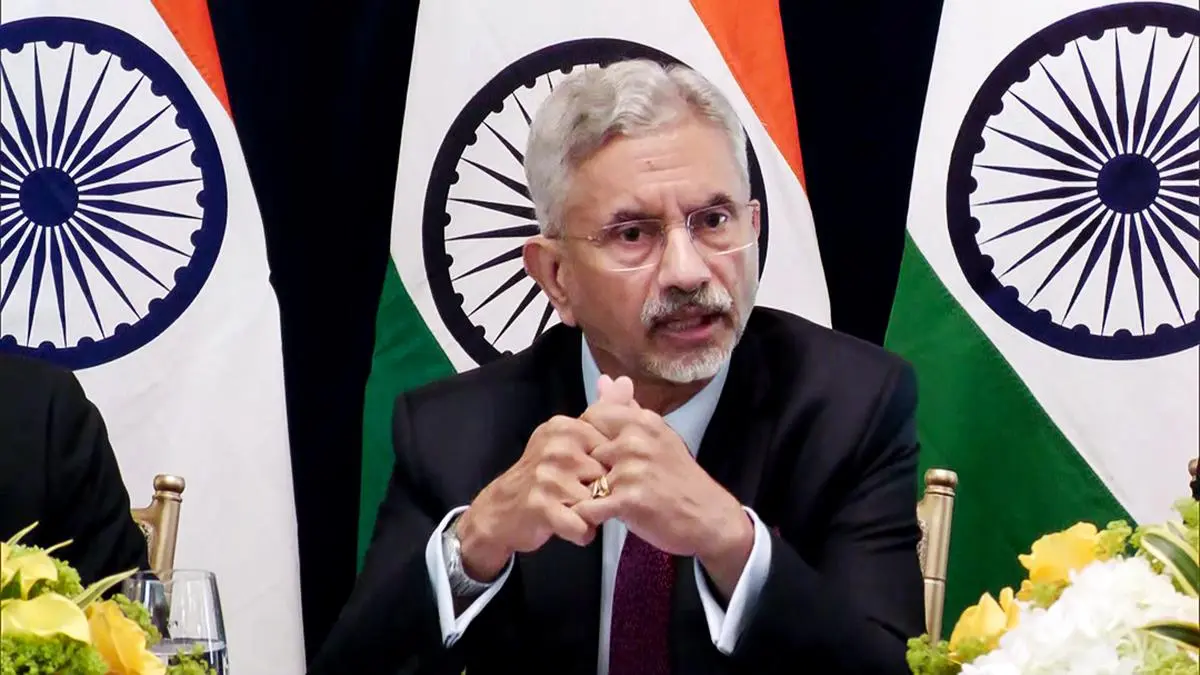
Indian External Affairs Minister S. Jaishankar is all set to embark on his first visit to China after the ties between the two nations came under severe strain following the 2020 military standoff along the Line of Actual Control (LAC) in eastern Ladakh. This visit is of great significance as it aims to mend the strained relations between the two neighboring countries.
The 2020 military standoff between India and China was one of the most challenging times in the history of their bilateral relations. The conflict, which lasted for months, resulted in casualties on both sides and created a tense atmosphere between the two nations. However, with the visit of Jaishankar, there is a glimmer of hope for better relations and a peaceful resolution to the border dispute.
Jaishankar’s visit to China is a crucial step towards strengthening the bilateral ties between the two nations. It is a clear indication of India’s commitment to maintaining a friendly relationship with its neighbor, despite the challenges faced in the past year. The visit also reflects the Indian government’s efforts to resolve the border issue through peaceful means and dialogue.
During his visit, Jaishankar is scheduled to meet his Chinese counterpart, Wang Yi, and other senior officials. The two sides are expected to have extensive discussions on various issues of mutual interest, including the border dispute, trade, and economic cooperation. The visit is also an opportunity for both countries to discuss ways to enhance people-to-people contacts and cultural exchanges.
The strained relations between India and China have not only affected the political ties but have also had an impact on the economic front. The two countries have been important trading partners, and the recent tensions have adversely affected the bilateral trade. Jaishankar’s visit is expected to address these concerns and explore ways to strengthen the economic ties between the two nations.
Apart from political and economic discussions, the visit is also an opportunity for both countries to enhance their cooperation in areas of common interest, such as climate change, regional security, and international peacekeeping. India and China, being two major powers in the region, have a crucial role to play in maintaining peace and stability in the region. Jaishankar’s visit can pave the way for increased cooperation in these areas, which will have a positive impact on the entire region.
The two nations also share a rich cultural heritage, and the visit of Jaishankar can further strengthen the people-to-people ties between the two countries. India and China have a long history of cultural exchanges, and this visit can provide an opportunity to promote cultural understanding and appreciation between the two nations.
The visit of Jaishankar to China sends a positive message to the international community that both countries are committed to resolving their differences through dialogue and peaceful means. It also reflects the maturity and strength of the bilateral relations between India and China.
The Indian External Affairs Minister’s visit to China is a significant step towards restoring the normalcy in the relationship between the two nations. It is a testament to the fact that despite the challenges, both countries are willing to engage in meaningful dialogue and find a mutually beneficial solution to their issues.
In conclusion, Jaishankar’s visit to China is a ray of hope for better relations and a peaceful resolution to the border dispute between the two nations. It is a step towards building a strong and enduring partnership between India and China, which will not only benefit the two countries but also contribute to regional and global peace and stability.