Chinese leaders are facing a dilemma as tensions continue to rise between the United States and Iran. The recent conflict between the two countries has not only affected global politics, but it has also caused concerns for China’s energy security. With the threat of potential disruptions in the oil supply from the Middle East, Chinese leaders are now reconsidering their plans for the Power of Siberia 2 gas pipeline.
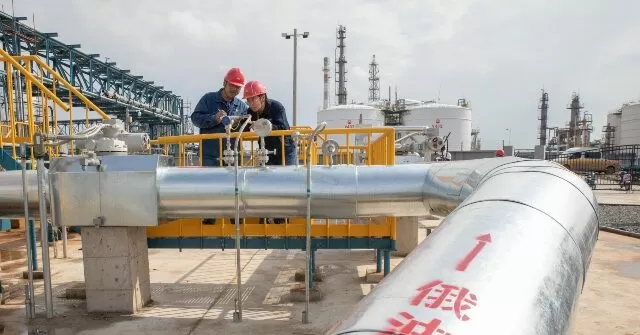
The Power of Siberia 2 gas pipeline is a major project that would bring large amounts of Russian natural gas to China. The pipeline was originally planned to be completed by 2024 and would provide China with a much-needed alternative source of energy. However, with the recent developments in the Middle East, Chinese leaders are now questioning the reliability of this project.
China has long been heavily dependent on the Middle East for its fossil fuel supplies. In fact, it is the world’s largest importer of crude oil, with over 70% of its oil imports coming from the Middle East. This heavy reliance on one region for energy has always been a cause for concern for Chinese leaders, but the recent events have brought this issue to the forefront.
The conflict between the US and Iran has raised fears of potential disruptions in the oil supply from the Middle East. This has caused Chinese leaders to rethink their energy strategy and look for more secure alternatives. The Power of Siberia 2 gas pipeline, which was seen as a reliable and cost-effective solution, is now being reconsidered due to its dependence on Russian gas.
China’s relationship with Russia has always been a complex one. While the two countries have been strategic partners in many areas, they have also been competitors in the energy sector. Russia is currently China’s largest supplier of natural gas, but the two countries have had disagreements over pricing and supply in the past. This has caused Chinese leaders to be cautious about relying too heavily on Russian gas.
The current situation in the Middle East has only added to China’s concerns. The US sanctions on Iran have already caused disruptions in the global oil market, and any further escalation of the conflict could have serious consequences for China’s energy security. Chinese leaders are now realizing the importance of diversifying their energy sources and reducing their reliance on the Middle East.
In light of these developments, Chinese leaders are now re-evaluating the Power of Siberia 2 gas pipeline project. They are considering alternative options, such as increasing domestic production of natural gas and investing in renewable energy sources. This move towards diversification not only ensures China’s energy security but also aligns with its commitment to reducing carbon emissions and promoting clean energy.
The reconsideration of the Power of Siberia 2 gas pipeline project is a positive step towards securing China’s energy future. It shows that Chinese leaders are proactive and forward-thinking in their approach to energy security. By diversifying their energy sources, China is not only reducing its dependence on the Middle East but also creating a more sustainable and environmentally friendly energy mix.
Moreover, this decision also highlights the strong and strategic partnership between China and Russia. Despite their past disagreements, the two countries are now working together to find solutions to ensure China’s energy security. This cooperation is a testament to the strong ties between the two nations and their commitment to mutual development and prosperity.
In conclusion, the Iran conflict has brought to light the vulnerability of China’s energy security and the need for diversification. Chinese leaders are now taking proactive measures to reduce their dependence on the Middle East, and the reconsideration of the Power of Siberia 2 gas pipeline project is a step in the right direction. By diversifying its energy sources, China is not only ensuring its own energy security but also promoting a more sustainable and cleaner future.