
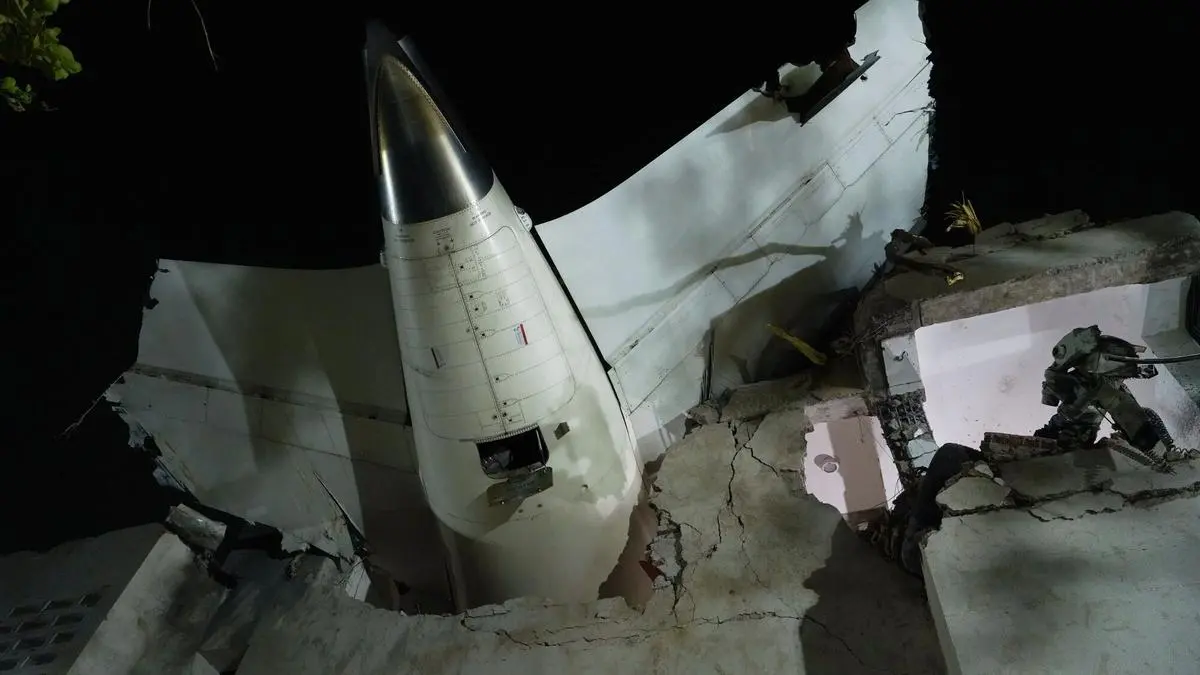
Investigators Gathering Evidence to Ascertain the Causes of the Crash
The recent crash of a commercial airliner has left the world in shock and mourning. As the investigation into the tragic incident continues, teams of investigators are working tirelessly to gather evidence and determine the cause of the crash. This is a crucial and complex process that requires meticulous attention to detail and a thorough understanding of aviation protocols.
The first step in any crash investigation is to secure the crash site and gather all available evidence. This includes debris from the aircraft, flight data recorders, and any other relevant materials. Every piece of evidence is carefully collected and cataloged to ensure that nothing is overlooked. This is a crucial step in the investigation as even the smallest piece of debris can provide valuable information.
Once the evidence is collected, it is then sent to a specialized laboratory for analysis. Here, experts in various fields such as aviation, engineering, and meteorology work together to examine the evidence and piece together the sequence of events leading up to the crash. This process can take weeks or even months, as every detail must be thoroughly examined and cross-checked.
One of the most critical pieces of evidence in any crash investigation is the flight data recorder, also known as the “black box.” This device records crucial information such as altitude, airspeed, and the actions of the pilots. It is a vital tool in understanding what happened in the final moments before the crash. However, in some cases, the black box may be damaged or inaccessible, making the investigation even more challenging.
In addition to physical evidence, investigators also rely on witness accounts and air traffic control recordings to piece together the events leading up to the crash. Eyewitness testimony can provide valuable insights into the condition of the aircraft and any unusual circumstances that may have occurred. Air traffic control recordings can also provide crucial information about the communication between the pilots and the control tower.
As the investigation progresses, the focus shifts to analyzing the data and evidence collected. This is a meticulous process that requires a deep understanding of aviation procedures and protocols. Investigators must also consider various factors such as weather conditions, mechanical failures, and human error. Every possible scenario must be carefully examined to determine the cause of the crash.
The ultimate goal of any crash investigation is to prevent similar incidents from occurring in the future. Once the cause of the crash is determined, recommendations are made to improve safety measures and prevent similar accidents from happening. These recommendations may include changes in procedures, training, or equipment.
The process of investigating a crash is not an easy one. It requires a dedicated team of experts, countless hours of work, and a commitment to uncovering the truth. However, it is a crucial step in ensuring the safety of air travel and providing closure for the families and loved ones of those who lost their lives in the crash.
In times like these, it is essential to recognize the hard work and dedication of the investigators. Their tireless efforts and unwavering commitment to uncovering the truth are commendable. They are the unsung heroes who work behind the scenes to ensure the safety of air travel for all of us.
As the investigation into the recent crash continues, let us have faith in the abilities of the investigators and trust that they will uncover the truth. Let us also remember the victims and their families during this difficult time. May their memories be a constant reminder of the importance of ensuring the safety of air travel for all.