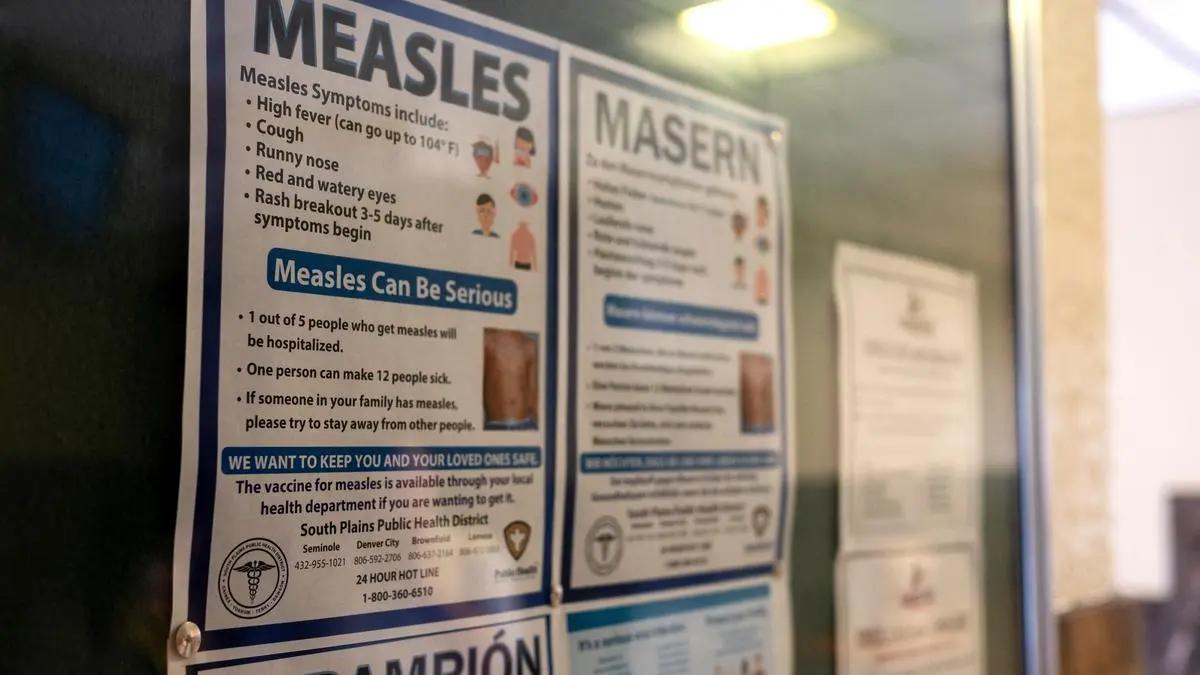
The United States is currently facing a concerning trend in regards to childhood vaccinations. Despite being one of the most developed and advanced countries in the world, the U.S. has reported over 600 cases of preventable diseases in children across 22 states in 2025. This number has already surpassed the total number of cases reported in 2024, highlighting the severity of the situation.
One of the major reasons behind this unfortunate situation is the declining childhood vaccination rates. Vaccines have long been proven to be one of the most effective and safe ways to protect children from various illnesses. However, due to persistent misinformation surrounding their safety and efficacy, some parents have been hesitating to get their children vaccinated. This hesitation has led to a decrease in vaccination rates, which in turn has allowed diseases like measles, mumps, and rubella to make a comeback.
The consequences of these preventable diseases can be severe and even deadly. From high fever and body aches to more serious complications like pneumonia and brain swelling, these diseases can cause immense harm to children. It is disheartening to see that in the year 2025, we are still facing outbreaks of diseases that have been preventable for decades.
It is crucial to address this issue at its core – the spread of misinformation. In today’s digital age, information spreads quickly and easily, whether it is accurate or not. The rise of social media has made it even easier for misinformation to go viral, creating confusion and doubt among parents. It is essential for all of us to be responsible for the information we share and to fact-check before believing in any claims made about vaccines.
The media also plays a significant role in shaping public opinion. Sensationalized headlines and one-sided stories often contribute to the spread of misinformation about vaccines. It is essential for media outlets to provide accurate and evidence-based information about vaccines to the public, rather than adding to the confusion.
Furthermore, it is the responsibility of the government to address this issue and take action to increase vaccination rates. Policies and legislations can be implemented to ensure that children are properly vaccinated, with exemptions only for medical reasons. Additionally, government-funded campaigns and educational programs can be launched to raise awareness and provide accurate information about vaccines to the public.
Parents also need to be encouraged and empowered to make informed decisions about their children’s health. It is understandable for parents to have concerns and questions about vaccines, but it is crucial to consult reliable sources and healthcare professionals for accurate information. Vaccines undergo rigorous testing and monitoring before being approved for use, and the benefits far outweigh any potential risks. It is our responsibility as parents to protect our children and the community by getting them vaccinated.
We must also acknowledge that vaccines are not only important for individual health but also for the health of the community. Vaccines work by creating herd immunity, meaning that when a significant portion of the population is vaccinated, it is difficult for diseases to spread, protecting even those who cannot get vaccinated due to medical reasons. This is especially important for young babies who are too young to receive certain vaccines, making them vulnerable to diseases.
While the current situation is concerning, there is still hope for improvement. It is important to remember that the number of cases reported is a result of declining vaccination rates, and not a failure of vaccines themselves. As a society, we must come together and take action to address this issue. We must hold ourselves accountable for spreading accurate information and encourage others to do the same. The government, healthcare professionals, and media outlets also play a crucial role in combating misinformation and promoting the importance of vaccines.
In conclusion, the U.S. has seen a concerning increase in preventable diseases in children in 2025 due to declining vaccination rates and persistent misinformation. It is a call to action for all of us to take responsibility and address this issue. Vaccines have and will continue to save countless lives, and it is our duty to protect the health and well-being of our children and the community. Let us work together towards a future where vaccine-preventable diseases are a thing of the past.