
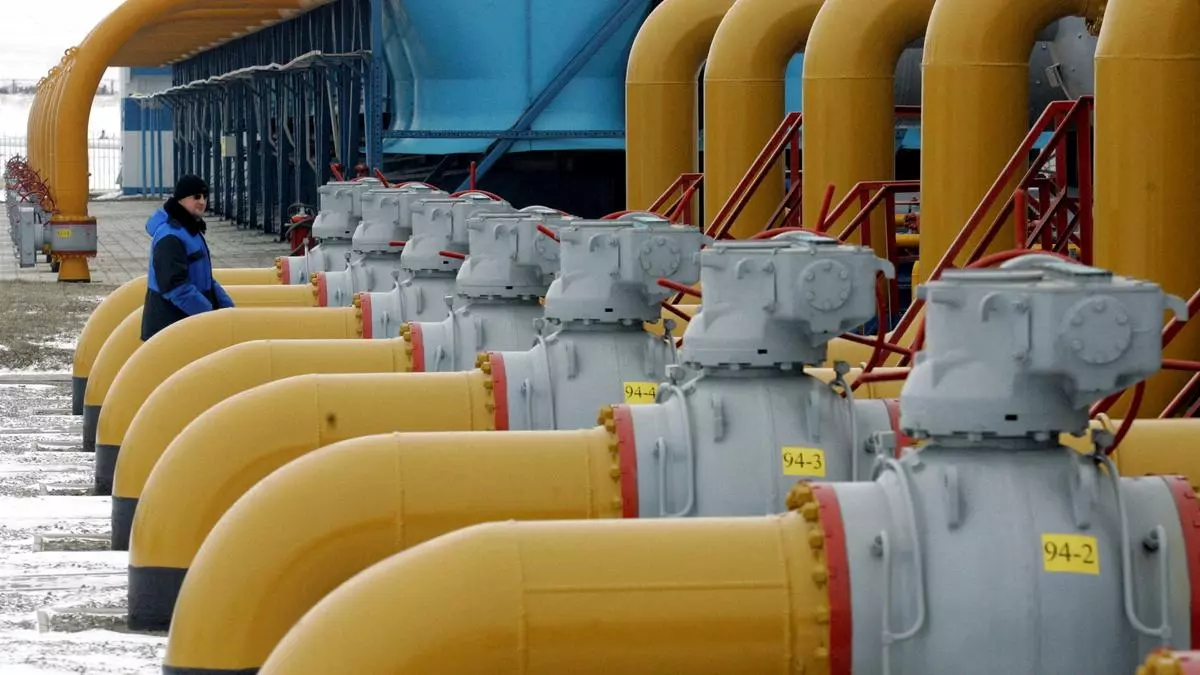
In November 2020, a major step was taken towards resolving the distance-related dislocation in the pricing of natural gas. The proposal of a unified tariff for all consumers connected to the natural gas grid was put forth, and it has now been implemented from April 1, 2023. This decision has been met with much anticipation and excitement, as it is expected to bring about significant changes in the natural gas market.
The pricing of natural gas has been a major concern for both consumers and producers for a long time. The current system of pricing, which is based on distance from the source of production, has often led to discrepancies and disparities in the prices paid by consumers. This has not only caused confusion and frustration among consumers but has also affected the profitability of natural gas producers.
The implementation of a unified tariff is a much-needed solution to this problem. It will ensure that all consumers, regardless of their location, will pay the same price for natural gas. This will not only bring about a sense of fairness and equality but will also promote a more competitive market. With a unified tariff, consumers will have the freedom to choose their natural gas supplier based on factors such as quality and service, rather than just price.
Moreover, the unified tariff will also benefit natural gas producers. With a fixed price for all consumers, producers will no longer have to worry about the distance-related dislocation in pricing. This will provide them with a stable and predictable income, allowing them to plan and invest in their operations more efficiently. It will also encourage new players to enter the market, leading to increased competition and ultimately benefiting the consumers.
The implementation of a unified tariff will also have a positive impact on the environment. Natural gas is considered a cleaner alternative to other fossil fuels, and with a unified tariff, it will become more accessible and affordable for all consumers. This will encourage the use of natural gas, reducing the reliance on other polluting sources of energy. It is a step towards a more sustainable future.
The decision to implement a unified tariff for natural gas is a result of extensive research and consultation with various stakeholders. The government, along with industry experts, has carefully analyzed the current pricing system and its impact on the market. The unified tariff has been designed to address the concerns of all parties involved and to create a more balanced and efficient natural gas market.
The implementation of the unified tariff will also bring about administrative and operational efficiencies. With a single tariff, the process of billing and collection will become simpler and more streamlined. This will not only save time and resources but will also reduce the chances of errors and disputes. It will also make it easier for the government to monitor and regulate the natural gas market.
The unified tariff will also have a positive impact on the economy. With a more competitive market, there will be an increase in economic activity, leading to job creation and economic growth. The stability and predictability of income for natural gas producers will also encourage them to invest in new technologies and infrastructure, further boosting the economy.
In conclusion, the implementation of a unified tariff for natural gas is a significant step towards resolving the distance-related dislocation in pricing. It is a well-thought-out decision that will benefit all stakeholders involved. It will promote fairness, competition, and sustainability in the natural gas market, ultimately leading to a stronger and more prosperous economy. The unified tariff is a positive and progressive move that will bring about positive changes in the natural gas industry.