
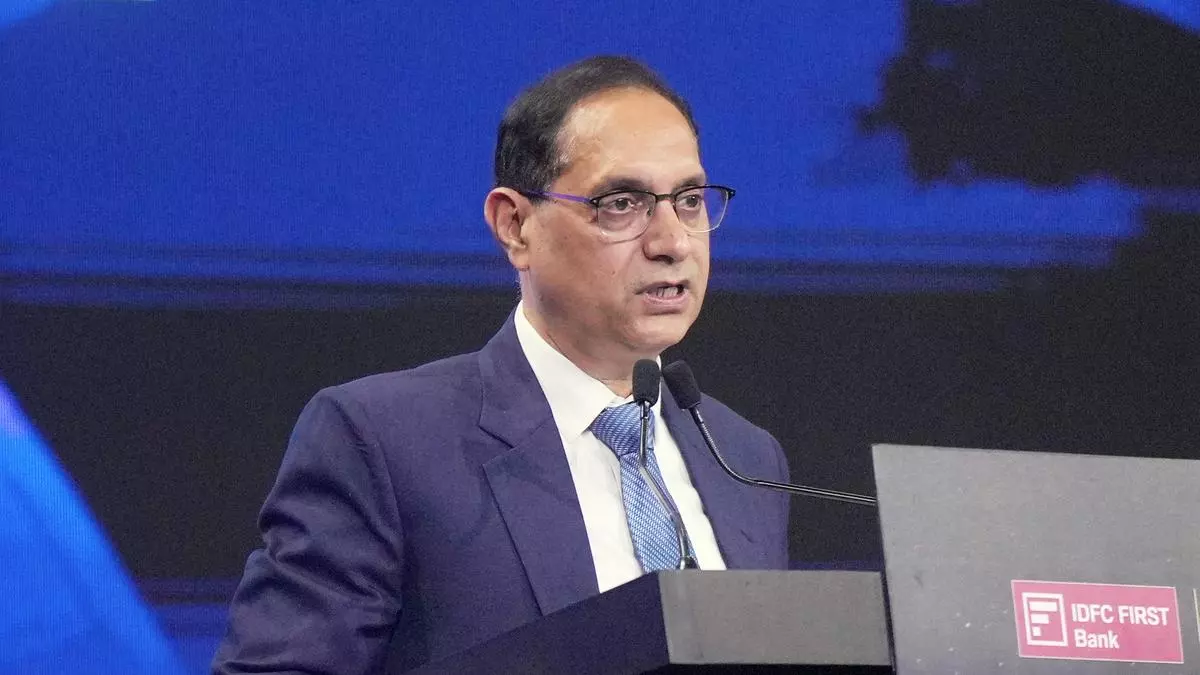
In a significant move, the Securities and Exchange Board of India (SEBI) has given its nod to the appointment of a Public Interest Director (PID) in listed companies. This decision was taken in the first board meeting under the leadership of the new SEBI chief, Mr. Ajay Tyagi. The meeting, held on April 26, 2017, also saw the board easing the rules for Alternative Investment Funds (AIF) and Merchant Banking, in a bid to boost the Indian capital market.
The appointment of a PID in listed companies has been a long-standing demand of corporate governance experts. This move is expected to bring in more transparency and accountability in the functioning of listed companies. The PID will act as a watchdog and ensure that the interests of all stakeholders, including minority shareholders, are protected. This decision is in line with SEBI’s efforts to strengthen corporate governance practices in India.
The new rules for PIDs state that they should be independent directors with no family or business ties with the company. They should also have no pecuniary relationship with the company, its promoters, or its directors. This will ensure that the PIDs are truly independent and can effectively discharge their duties. The PIDs will also have to undergo a mandatory training program conducted by SEBI, to equip them with the necessary skills and knowledge to fulfill their role.
SEBI has also eased the rules for AIFs, which are investment vehicles that pool funds from investors and invest them in different asset classes. The new rules allow AIFs to invest in start-ups, which was earlier restricted to only certain categories of AIFs. This move is expected to boost the start-up ecosystem in India, as AIFs can now provide much-needed funding to these companies. The new rules also allow AIFs to invest in distressed assets, which will help in the resolution of the bad loan problem faced by Indian banks.
In another major decision, SEBI has relaxed the rules for merchant bankers, who are responsible for managing the issuance of securities by companies. The new rules allow merchant bankers to act as underwriters for public issues, which was earlier restricted to only banks. This move is expected to increase the pool of underwriters, which will help in better price discovery and reduce the cost of raising capital for companies. The new rules also allow merchant bankers to act as advisors for mergers and acquisitions, which was earlier restricted to only registered valuers. This will provide more opportunities for merchant bankers and help in the growth of the M&A market in India.
The decisions taken by SEBI in its first board meeting under the new chief are a clear indication of the regulator’s commitment to promote a healthy and vibrant capital market in India. The appointment of PIDs will bring in more transparency and accountability in the functioning of listed companies, which will boost investor confidence. The easing of rules for AIFs and merchant bankers will provide a much-needed impetus to the Indian capital market, which has been facing challenges in recent times.
The move to allow AIFs to invest in start-ups and distressed assets is a step in the right direction, as it will provide a new source of funding for these companies. This will not only help in the growth of start-ups but also aid in the resolution of the bad loan problem faced by Indian banks. The relaxation of rules for merchant bankers will provide more opportunities for them and help in the development of the capital market in India.
SEBI’s decision to ease the rules for AIFs and merchant bankers is also in line with the government’s efforts to boost the economy and promote ease of doing business in India. The move will attract more investments and boost economic growth, which is crucial for the country’s development.
In conclusion, the first board meeting under the new SEBI chief, Mr. Ajay Tyagi, has set the tone for a more transparent and investor-friendly capital market in India. The decisions taken by SEBI will not only boost investor confidence but also provide a much-needed impetus to the Indian economy. With these progressive measures, SEBI has once again proved its commitment to promoting a healthy and vibrant capital market in India.