
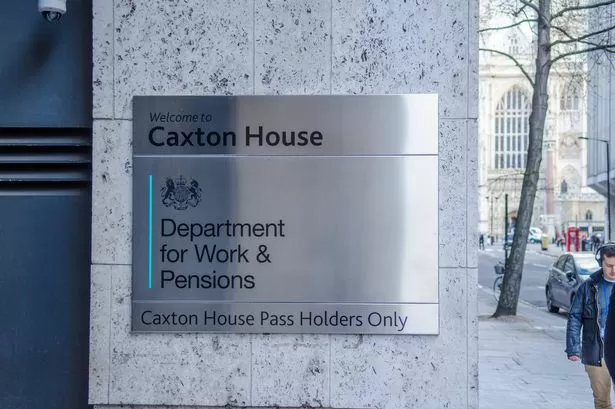
The Department for Work and Pensions (DWP) has recently announced the proposed weekly and monthly rates for the new financial year, bringing much-needed clarity and reassurance to those who rely on benefits for their livelihood. This comprehensive breakdown of all benefits is a welcome development for many individuals and families across the country.
The DWP has confirmed that there will be an increase in the rates for most benefits, in line with inflation and rising living costs. This is a testament to the government’s commitment to supporting those in need and ensuring that the most vulnerable in our society are not left behind.
One of the most significant changes is the increase in the standard allowance for Universal Credit, which will rise by £20 per week. This means that a single person over the age of 25 will now receive £411.51 per month, while a couple over the age of 25 will receive £594.04 per month. This increase will provide much-needed relief for those struggling to make ends meet.
In addition to this, the DWP has also confirmed that the housing element of Universal Credit will increase in line with local housing allowance rates. This will help to ease the burden of high rental costs for those on low incomes, providing them with more financial stability and security.
For those on Jobseeker’s Allowance, the personal allowance will increase by £1.10 per week, while the personal allowance for Employment and Support Allowance will increase by £1.35 per week. This may seem like a small increase, but it will make a significant difference to those who rely on these benefits to cover their basic needs.
The DWP has also announced that there will be an increase in the carer’s allowance, which will rise by £1.20 per week. This is a recognition of the vital role that carers play in our society and the invaluable support they provide to their loved ones.
In addition to these changes, the DWP has also confirmed that there will be an increase in the disability and carer premiums for those on Pension Credit, Income Support, and Housing Benefit. This will provide much-needed support for those with disabilities and their carers, who often face additional financial challenges.
The DWP has also announced that there will be no changes to the rates for Child Benefit, which will remain at £21.05 per week for the eldest or only child and £13.95 per week for each additional child. This will come as a relief to many families who rely on this benefit to cover the costs of raising children.
Overall, the DWP’s proposed rates for the new financial year demonstrate the government’s commitment to supporting those in need and ensuring that the benefits system is fair and effective. These increases will provide much-needed relief for those who are struggling to make ends meet and will help to alleviate the financial burden on low-income households.
It is also worth noting that these rates are subject to parliamentary approval, but the DWP has assured that they will be implemented from April 2021. This means that those who are eligible for these benefits can expect to see the increase in their payments from the beginning of the new financial year.
In conclusion, the DWP’s confirmation of the proposed weekly and monthly rates for the new financial year is a positive development for those who rely on benefits. These increases will provide much-needed support and relief for those who are struggling to make ends meet, and will help to ensure that the most vulnerable in our society are not left behind. The government’s commitment to supporting those in need is commendable, and these changes will make a real difference in the lives of many individuals and families across the country.