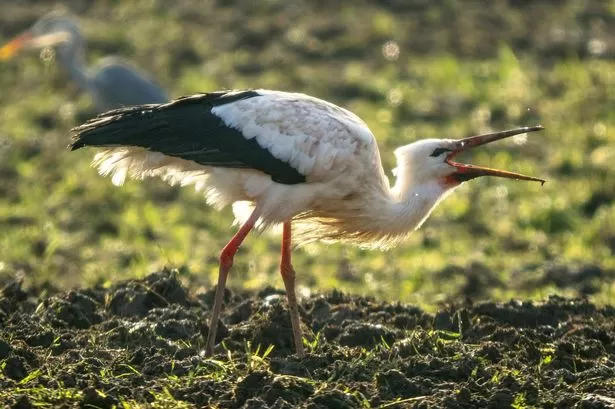
Experts believe that a new bird species could soon be calling the United Kingdom its home. This exciting news has sparked interest and curiosity among bird enthusiasts and conservationists alike. With its potential to become a home-grown species, this bird could have a significant impact on the UK’s biodiversity and ecosystem.
The bird in question is the Eurasian blackcap, a small migratory bird that is commonly found in Europe and Asia. However, recent studies have shown that a growing number of blackcaps are choosing to spend their winters in the UK instead of migrating to warmer climates. This behavior has led experts to believe that the blackcap could potentially become a resident species in the UK.
This phenomenon is not entirely new, as there have been previous cases of migratory birds adapting to new environments and becoming resident species. However, what makes the potential home-grown blackcap unique is the fact that it is happening in a highly urbanized and developed country like the UK. This is a testament to the adaptability and resilience of these birds.
The blackcap’s change in behavior can be attributed to a combination of factors. One of the main reasons is the increasing availability of food in the UK during the winter months. With milder winters and a growing number of bird feeders and gardens, the blackcaps have found a reliable food source, making it unnecessary for them to migrate. Additionally, the blackcaps have also been observed to have a longer lifespan in the UK compared to their European counterparts, which could also contribute to their decision to stay.
The potential of the blackcap becoming a resident species in the UK has significant implications for the country’s biodiversity. As a new species, it could bring a fresh perspective to the UK’s ecosystem and potentially fill in ecological niches that are currently unoccupied. This could lead to a more diverse and balanced ecosystem, which is crucial for the survival of many other species.
Moreover, the blackcap’s presence could also have a positive impact on the economy. Birdwatching is a popular activity in the UK, and the addition of a new species could attract more tourists and bird enthusiasts, boosting the country’s tourism industry. This could also create job opportunities for local communities, especially in rural areas where the blackcaps are more likely to be found.
However, the potential home-grown blackcap also brings about some challenges and concerns. One of the main concerns is the potential competition for resources with other bird species. As the blackcap population grows, it could potentially affect the food supply and nesting sites of other birds. This could lead to conflicts and disruptions in the ecosystem. Therefore, it is crucial for conservationists to closely monitor the blackcap’s population and behavior to ensure a balance is maintained.
Another challenge is the potential impact of climate change on the blackcap’s behavior. As the climate continues to change, it could affect the availability of food and nesting sites, which could potentially disrupt the blackcap’s adaptation to the UK. This highlights the importance of addressing climate change and its impact on our environment.
In conclusion, the potential of the Eurasian blackcap becoming a home-grown species in the UK is an exciting development that could have significant implications for the country’s biodiversity and economy. It is a testament to the adaptability and resilience of these birds and a reminder of the ever-changing nature of our environment. As we continue to learn more about this potential resident species, it is crucial to ensure that we strike a balance between conservation and development to protect our natural world for future generations.