
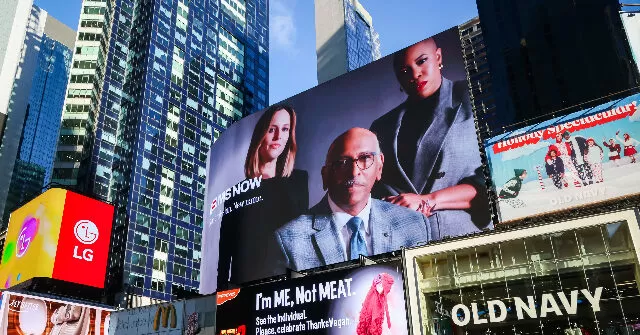
2025 was a year of turmoil for the entertainment industry in Hollywood. The once-powerful media companies that dominated the American landscape were no longer the leaders they once were. In fact, it was a bloodbath for workers in the industry as more and more jobs were slashed.
According to reports, 17,000 jobs were lost in the entertainment and media sector in 2025 alone. This devastating statistic serves as a stark reminder of the rapidly changing landscape of the industry and the challenges that lie ahead.
The decline of the entertainment and media industry has been a gradual one, but the events of 2025 marked a significant turning point. The rise of streaming services, social media, and other digital platforms has disrupted the traditional business model of the industry. As a result, many companies have been forced to downsize or even shut down completely.
The post-pandemic world has only accelerated this downward spiral. With theaters closed and production halted, many workers in the industry found themselves without employment. The job losses in 2025 were not limited to a particular area or job role, but rather spread across various sectors including film, television, music, and journalism. This affected everyone from actors and directors to camera operators and sound technicians.
The effects of the mass layoffs were felt not only by the workers but also by the audiences. With fewer people employed in the industry, there were fewer stories being told and fewer diverse voices being heard. This led to a homogenization of content and a lack of representation in the media.
But amidst the chaos and uncertainty, there is a glimmer of hope. The industry has always been resilient and adaptable, and 2025 was no exception. Many companies have taken this as an opportunity to pivot and reinvent themselves. We saw a surge in online content and virtual events, showcasing the creativity and innovation of the industry.
Additionally, the year also saw a rise in independent productions, giving a platform to new and diverse voices that were previously marginalized by the mainstream media. This has led to a much-needed change in the industry, with a growing focus on inclusivity and representation.
The entertainment and media bloodbath in 2025 was undoubtedly a wake-up call for the industry. It highlighted the need for a shift in the business model and a greater emphasis on adapting to the constantly evolving digital landscape. But it also showed the resilience and determination of the industry to overcome challenges and come out stronger.
As we move forward, it is crucial for companies in the entertainment and media industry to embrace change and embrace new technologies. This includes investing in digital platforms, creating diverse and inclusive content, and fostering a culture of innovation and adaptability.
The future of the entertainment and media industry may look different from what we once knew, but it holds immense potential for growth and success. With the right mindset and strategies, the industry can continue to thrive and lead the way in shaping the cultural landscape of our society.
In conclusion, the bloodbath of 2025 in the entertainment and media industry was a tough and trying time, but it also served as a much-needed wake-up call. While we mourn the loss of jobs, we must also acknowledge the resilience and determination of the industry to overcome challenges and evolve. The future holds great potential, and it is up to us to embrace change and pave the way for a brighter and more diverse future for the entertainment and media industry.