
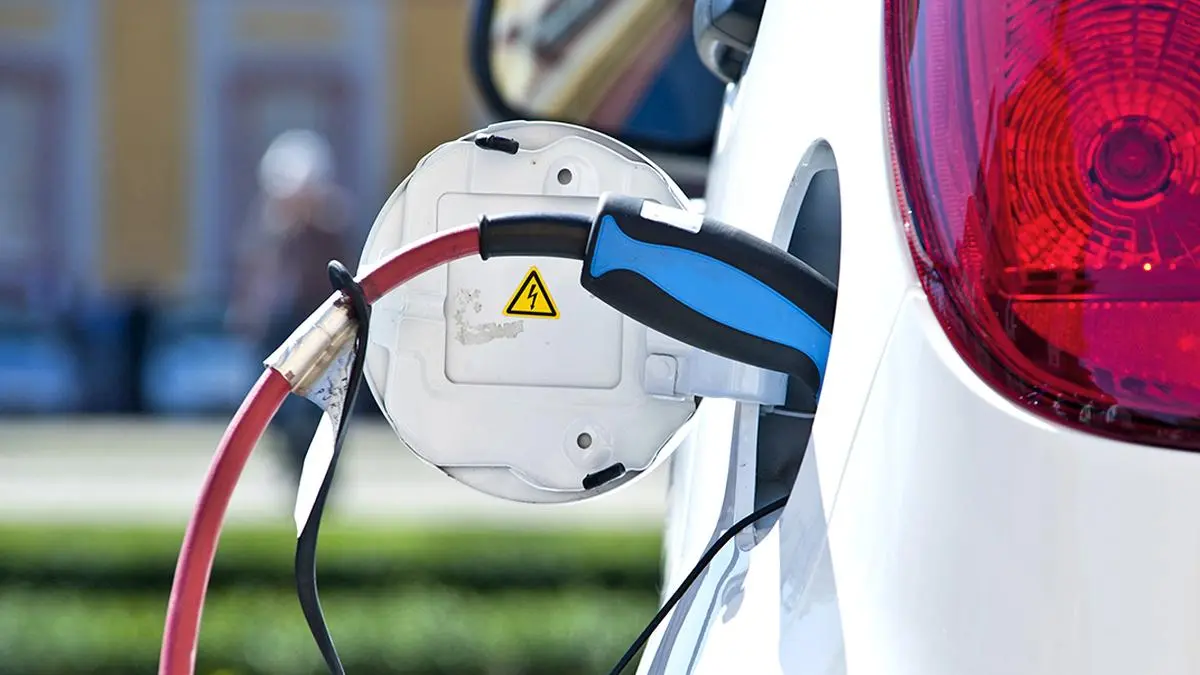
In recent years, there has been a significant shift in the automotive industry towards electric vehicles (EVs). With concerns about climate change and the need for sustainable transportation, more and more people are turning to EVs as a viable alternative to traditional gasoline-powered cars. This growing demand for EVs has not gone unnoticed by vehicle manufacturers, who have been quick to respond with a major request: the need for more charging infrastructure.
The rise of EVs has been a game-changer for the automotive industry. These vehicles are powered by electricity, which means they produce zero emissions and have a much lower carbon footprint compared to traditional cars. This has made them a popular choice among environmentally-conscious consumers. In fact, according to a report by the International Energy Agency, the number of EVs on the road is expected to reach 125 million by 2030, up from just 3.1 million in 2017.
As the demand for EVs continues to grow, vehicle manufacturers have recognized the need for a robust charging infrastructure to support these vehicles. After all, what good is an EV if there are no charging stations available? This realization has led to a major request from manufacturers for governments and private companies to invest in building more charging stations.
One of the main challenges for EVs is range anxiety – the fear of running out of battery power while on the road. This is a valid concern, especially for those who are used to the convenience of filling up their gas tanks in a matter of minutes. However, with the right infrastructure in place, this fear can be alleviated. By having a network of charging stations readily available, EV drivers can have peace of mind knowing that they can easily recharge their vehicles when needed.
Moreover, the lack of charging infrastructure is also a barrier for potential EV buyers. Many people are hesitant to make the switch to an EV because they are unsure if they will have access to charging stations when they need them. This is where the major request from vehicle manufacturers comes into play. By investing in charging infrastructure, governments and private companies can help to remove this barrier and encourage more people to make the switch to EVs.
But it’s not just about convenience and encouraging more people to buy EVs. The development of a robust charging infrastructure also has economic benefits. It creates jobs in the construction and maintenance of charging stations, and it also boosts the demand for EVs, which in turn drives the production and sale of these vehicles. This is a win-win situation for both the automotive industry and the economy as a whole.
In addition to the request for more charging infrastructure, vehicle manufacturers are also calling for the standardization of charging systems. Currently, there are different types of charging connectors and protocols used by different manufacturers, which can be confusing and inconvenient for EV drivers. By standardizing these systems, it will make it easier for EV drivers to charge their vehicles at any charging station, regardless of the manufacturer.
Some may argue that the development of a charging infrastructure should be left to the market, and that the demand for EVs will drive the growth of charging stations. However, this is not a risk that vehicle manufacturers are willing to take. They understand the importance of having a reliable and widespread charging infrastructure in place to support the growing number of EVs on the road.
In conclusion, the major request by vehicle manufacturers for more charging infrastructure is a crucial step in the widespread adoption of EVs. It not only addresses the concerns of range anxiety and convenience for EV drivers, but it also has economic benefits and supports the growth of the automotive industry. As EVs continue to gain momentum, it is imperative that governments and private companies heed this request and invest in the development of a robust charging infrastructure. Only then can we truly embrace the future of sustainable transportation.