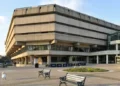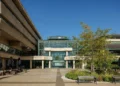
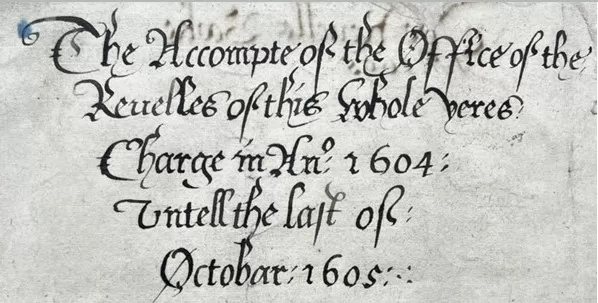
A rare piece of history will be on display at The National Archives from 12 January to 5 February – a set of accounts from James I’s Master of the Revels which record one of the first performances of Shakespeare’s iconic play, Othello. This intriguing document sheds light on the early days of one of Shakespeare’s most celebrated works, and offers a glimpse into the world of theatre during the reign of James I.
The accounts book, kept by Edward Tilney, the Master of the Revels, provides a fascinating insight into the staging and production of Othello in the Banqueting House at Whitehall, a location that was highly sought after for theatrical performances in the early 17th century. The entries in the book detail the expenses incurred for the performance, from the hiring of actors to the cost of props and costumes.
What makes this particular account of Othello’s performance even more significant is the timing – it took place just a few weeks before Christmas in 1604. This was a special time of year when the royal court would be bustling with festivities and entertainment. The fact that the play was chosen to be performed during this time is a testament to the popularity and quality of Shakespeare’s work, even in its early days.
Othello, also known as “The Moor of Venice”, tells the tragic tale of a Moorish general who falls victim to the schemes of his duplicitous ensign, Iago. The play is a gripping exploration of jealousy, betrayal, and the destructive power of manipulation. It is no wonder that it was chosen for a royal performance during the holiday season, when audiences were seeking both entertainment and substance.
But what makes this particular performance of Othello even more captivating is the detail provided by Tilney’s accounts book. It not only lists the expenses, but also mentions the names of the actors who were involved in the production. This includes Richard Burbage, a renowned actor of his time who played the lead role of Othello. Burbage was a close collaborator of Shakespeare and is believed to have played many of his greatest roles.
The accounts also reveal the presence of other famous actors such as Lawrence Fletcher, who played the role of Brabantio, and Augustine Phillips, who portrayed Iago. Seeing these names written in Tilney’s accounts book brings a sense of connection to the actual performers of the play, making it even more real and tangible for us today.
The historical significance of this document cannot be overstated. It offers a unique glimpse into the inner workings of theatre during the Jacobean era, and provides valuable information about the staging and casting of one of Shakespeare’s most famous plays. It also serves as a testament to the enduring power of Shakespeare’s works, which continue to captivate audiences centuries after their first performance.
For those with a passion for theatre, literature, or history, this is an opportunity that should not be missed. The chance to see a piece of history come to life, to walk in the footsteps of Shakespeare and his actors, is truly priceless. The National Archives has once again given us the gift of experiencing and appreciating our past in a tangible and meaningful way.
So mark your calendars and make sure to visit The National Archives from 12 January to 5 February to witness this fascinating display. The set of accounts from James I’s Master of the Revels is a treasure trove for anyone interested in the world of Shakespeare and the theatre of the early 17th century. Don’t miss the chance to be a part of this momentous occasion and immerse yourself in the magic of Othello.