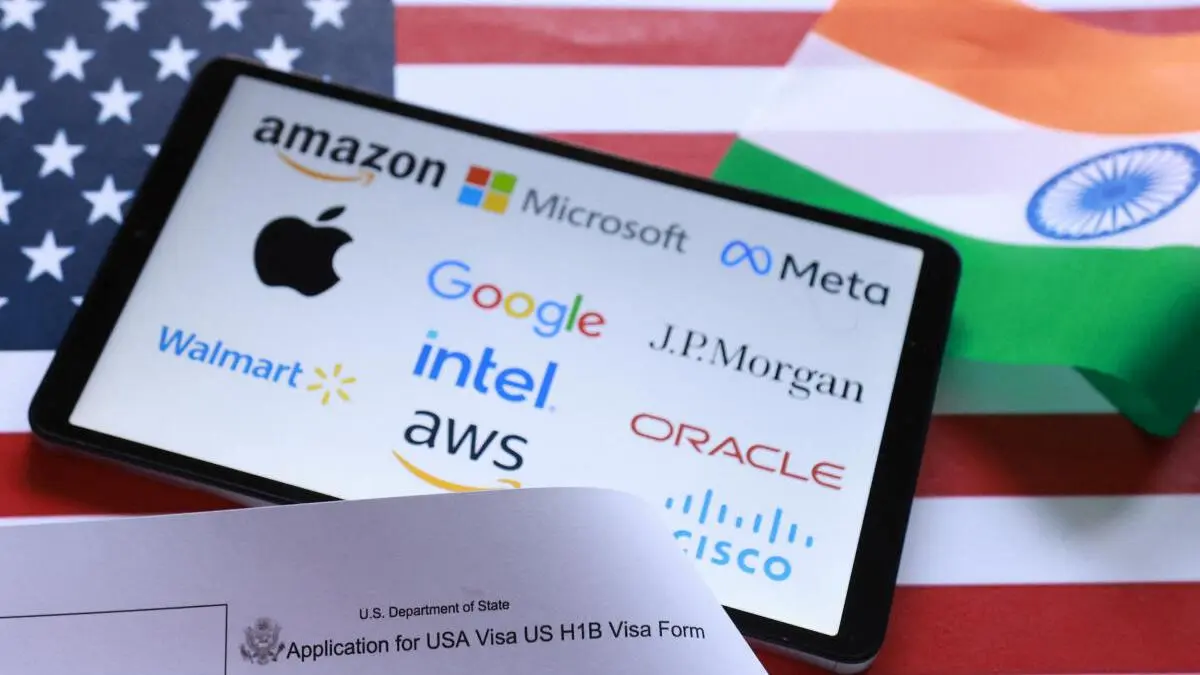
The United States Citizenship and Immigration Services (USCIS) has recently announced a new final rule that aims to revamp the H-1B visa selection process. This rule, set to take effect from March 2021, will prioritize the allocation of H-1B visas to higher-skilled and higher-paid individuals, while still allowing employers to secure H-1B workers at all wage levels. This is a significant step towards promoting a more merit-based immigration system in the United States.
The H-1B visa is a popular non-immigrant visa that allows U.S. employers to temporarily hire foreign workers in specialty occupations. These workers bring valuable skills and expertise to the country, filling critical gaps in the labor market. However, the current H-1B visa selection process is based on a random lottery, which has been heavily criticized for its unpredictability and lack of consideration for skill level or wage.
The new final rule will change this selection process by introducing a weighted system that will increase the chances of H-1B visas being allocated to high-skilled and high-paid workers. This means that the most talented and highly-paid individuals will have a better chance of being selected for the visa, rather than leaving it up to chance.
This move is in line with the Trump administration’s efforts to prioritize the employment of American workers and ensure that foreign workers are only brought in when no qualified American workers are available. By giving preference to higher-skilled and higher-paid individuals, the final rule aims to protect the interests of American workers and promote a more competitive and merit-based system.
The weighted selection process will work by giving each H-1B petition a score based on various factors. These factors include the skill level of the job, the wage level, and the geographic location of the job. The higher the score, the more likely the petition will be selected for an H-1B visa. This system will also give priority to those who have a master’s degree or higher from a U.S. institution, further promoting education and skills among foreign workers.
One of the most significant benefits of this new rule is that it will help prevent the exploitation of foreign workers. Currently, some employers take advantage of the H-1B lottery system by paying lower wages to foreign workers, knowing that they have an equal chance of being selected for the visa. This has led to a decrease in wages for American workers in similar positions. With the new rule, employers will have to offer higher wages to increase the chances of their petition being selected, ensuring fair treatment for both American and foreign workers.
Furthermore, the final rule will also increase the transparency of the H-1B visa selection process. By providing a clear scoring system, employers and foreign workers will have a better understanding of how the selection process works and what factors are taken into consideration. This will also help eliminate any potential bias in the selection process and promote fairness and equality.
The USCIS has stated that this new rule will not only benefit American workers but also the U.S. economy as a whole. By selecting highly-skilled and highly-paid workers, the country will attract the best talent from around the world, leading to innovation, job creation, and economic growth.
In conclusion, the new final rule for the H-1B visa selection process is a significant step towards creating a more merit-based and fair immigration system in the United States. By prioritizing higher-skilled and higher-paid workers, the country will attract the best talent and ensure that American workers are protected. This rule will not only benefit the U.S. economy but also promote fairness, transparency, and equality in the immigration process.