
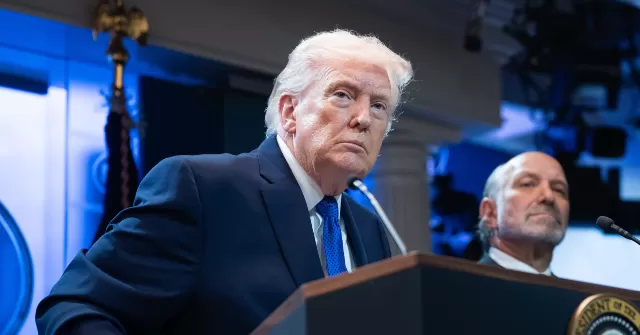
On Monday, President Donald Trump announced his decision to impose a ten percent global tariff on top of existing tariffs, after the Supreme Court struck down his previous tariffs under the International Emergency Economic Powers Act. This move has sparked controversy and debate among politicians, economists, and citizens alike.
The decision to impose a global tariff comes after months of back-and-forth between the Trump administration and the Supreme Court. In May, the Court ruled that the President’s use of the International Emergency Economic Powers Act to impose tariffs on steel and aluminum imports was unconstitutional. The Act, which was originally intended to address national emergencies, was deemed by the Court to be an overreach of executive power.
In response to the Court’s decision, President Trump has now announced a ten percent global tariff on all imports, in addition to the existing tariffs on steel and aluminum. This move has been met with both support and criticism, with some praising the President for taking a strong stance on trade and others expressing concern over the potential impact on the economy.
Proponents of the global tariff argue that it will help to protect American industries and jobs from unfair competition from foreign countries. They argue that the existing tariffs on steel and aluminum have already had a positive effect on the domestic steel and aluminum industries, leading to increased production and job growth. The addition of a global tariff, they believe, will further level the playing field for American businesses and workers.
On the other hand, critics of the global tariff argue that it will ultimately hurt American consumers and businesses. They argue that the cost of imported goods will increase, leading to higher prices for consumers and potentially causing a slowdown in the economy. They also point out that retaliatory tariffs from other countries could harm American exports and further damage the economy.
Despite the differing opinions on the global tariff, one thing is clear – President Trump is determined to protect American industries and jobs. In his announcement, he stated, “We must have a fair and reciprocal trade policy that benefits our workers and protects our national security.” This sentiment has been a cornerstone of his administration’s trade policies, and the President is not backing down.
The decision to impose a global tariff also highlights the ongoing trade tensions between the United States and other countries, particularly China. The two nations have been engaged in a trade war for over a year, with both sides imposing tariffs on billions of dollars worth of goods. The global tariff is seen by many as a way for the United States to further pressure China to make a trade deal.
As with any major policy decision, there are risks and potential consequences. However, President Trump is confident that the global tariff will ultimately benefit the American economy and its workers. He has also stated that the tariff is only temporary and will be lifted once a trade deal is reached with China.
In conclusion, President Trump’s decision to impose a ten percent global tariff is a bold move that has sparked debate and divided opinions. While some see it as a necessary step to protect American industries and jobs, others are concerned about its potential impact on the economy. Only time will tell the true effects of this decision, but one thing is certain – President Trump is determined to put America first and will continue to take strong action to achieve that goal.