
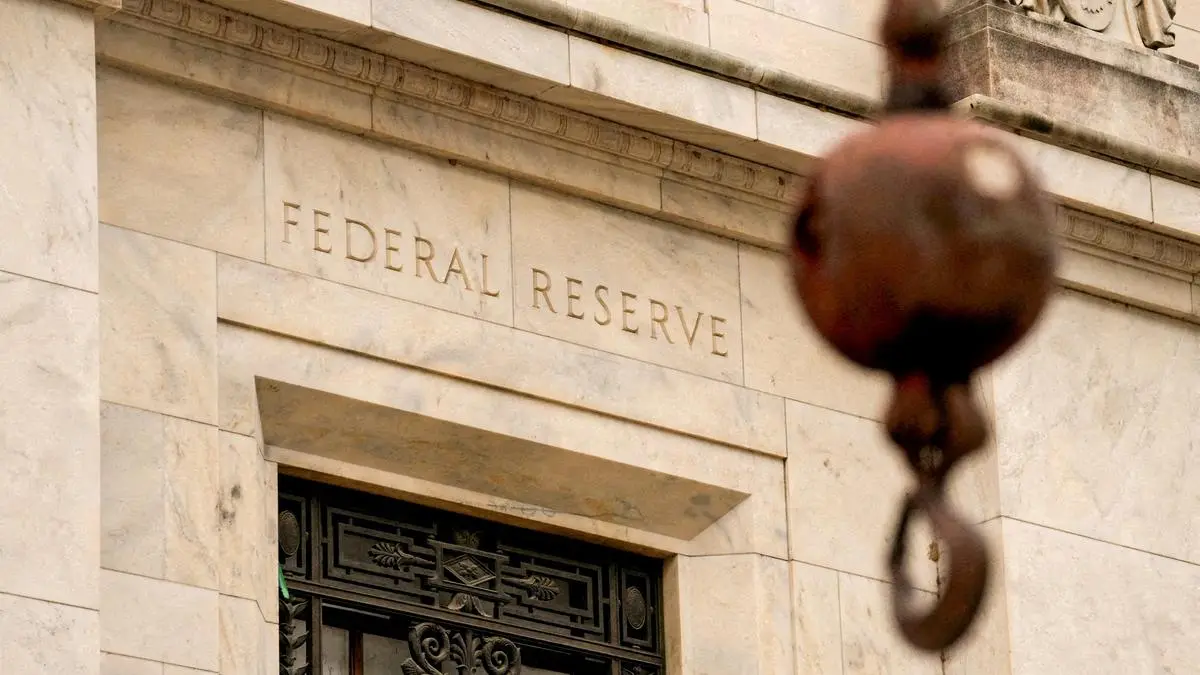
As we enter a new year, the world of finance is buzzing with discussions and debates over the role of Artificial Intelligence (AI) in shaping interest rates. With President Donald Trump putting pressure on the Federal Reserve to reduce borrowing costs, the use of AI and its impact on productivity is likely to become a key factor in these discussions.
AI has been making waves in various industries, and the financial sector is no exception. Its ability to analyze vast amounts of data and make accurate predictions has caught the attention of many economists and policymakers. In fact, a recent study by the Bank of England found that AI could potentially boost productivity in the financial sector by 1.5% annually.
So, what exactly is AI and how can it affect interest rates? In simple terms, AI is the simulation of human intelligence processes by machines, especially computer systems. It involves the use of algorithms and statistical models to analyze data and make decisions. In the context of interest rates, AI can help central banks and financial institutions to better understand economic trends and make informed decisions.
One of the main reasons why AI is gaining traction in the world of finance is its ability to process vast amounts of data in a fraction of the time it would take a human. This means that AI can quickly identify patterns and trends in the market, providing valuable insights to policymakers. With the help of AI, central banks can make more accurate predictions about the economy and adjust interest rates accordingly.
Moreover, AI can also help in reducing the bias that may exist in traditional economic models. By using algorithms, AI can analyze data without any preconceived notions, leading to more objective and unbiased decision-making. This is particularly important in the current political climate, where there is increasing pressure on central banks to make decisions that align with the government’s agenda.
Another key advantage of AI is its ability to adapt and learn from new data. As the financial landscape is constantly evolving, AI can continuously update its algorithms and models to reflect the latest trends and patterns. This means that central banks can make more accurate and timely decisions, leading to a more stable and efficient economy.
However, as with any new technology, there are also concerns about the potential risks and challenges of using AI in the financial sector. One of the main concerns is the potential job displacement of human workers. As AI becomes more prevalent, there is a fear that it may replace human workers, leading to job losses. However, experts argue that while AI may replace certain tasks, it will also create new job opportunities in areas such as data analysis and programming.
Moreover, there are also concerns about the ethical implications of using AI in decision-making. As AI is only as unbiased as the data it is fed, there is a risk of perpetuating existing biases and discrimination. This is why it is crucial for policymakers to ensure that AI is used ethically and responsibly, with proper oversight and regulations in place.
Despite these concerns, the potential benefits of AI in shaping interest rates cannot be ignored. As President Trump continues to put pressure on the Federal Reserve to reduce borrowing costs, the use of AI can help central banks to make more informed decisions that are not influenced by political agendas. This can lead to a more stable and efficient economy, benefiting both businesses and consumers.
In conclusion, AI and productivity are set to play a crucial role in the debates over interest rates this year. With its ability to analyze vast amounts of data, reduce bias, and adapt to changing trends, AI can provide valuable insights to policymakers and help in making more informed decisions. However, it is important to ensure that AI is used ethically and responsibly, with proper regulations in place. As we move towards a more technologically advanced future, it is essential to embrace the potential of AI while also addressing any concerns and challenges that may arise.