
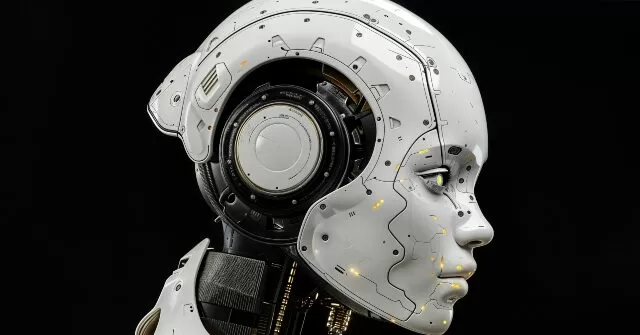
As technology continues to advance at a rapid pace, one of the most exciting and potentially game-changing developments is the rise of artificial intelligence (AI). Over the years, AI has made its way into various industries and has proven to be a powerful tool for achieving automation, efficiency, and accuracy. However, there is one industry that is particularly ripe for disruption by AI – Hollywood.
For decades, the film industry has been dominated by big studios, big budgets, and big names. The process of creating a movie from start to finish has been controlled by a select few, often leaving untold stories and voices unheard. But with the rise of AI, all of that is about to change. AI is poised to democratize movies, and there’s nothing Hollywood can do about it.
So, how exactly is AI going to shake things up in Hollywood? Well, for starters, AI has the potential to revolutionize the entire filmmaking process. From scriptwriting to pre-production, production, and post-production, AI can play a role at every stage. It can analyze data and trends to predict box office success, help in the development of characters and storylines, and even create special effects and edit scenes. This means that the creative process will no longer be limited to a select group of individuals, allowing for more diverse and innovative ideas to come to the forefront.
Additionally, AI has the ability to streamline many aspects of movie-making, making it more cost-effective. For example, AI can analyze thousands of hours of footage to identify the best takes, reducing the time and money spent on editing. It can also assist in budgeting and scheduling, ensuring that productions run smoothly and efficiently. This means that smaller studios and independent filmmakers will have a chance to compete with the big players in the industry, leveling the playing field and allowing for a wider range of stories to be told.
But perhaps the most exciting aspect of AI’s impact on Hollywood is its ability to personalize the movie experience for audiences. AI has the power to analyze viewer data and preferences, allowing for more targeted and customized content. This could mean that movies can be tailored to individual viewers based on their age, gender, interests, and more. This not only has the potential to attract a wider audience but also creates a more engaging and immersive viewing experience for viewers.
Of course, with every disruption comes fear and resistance. Hollywood is no exception to this, with some industry professionals expressing concerns that AI will take over their jobs. However, this fear is unfounded. AI is not here to replace human creativity; it is here to enhance it. It can assist in the creative process, but it cannot replicate the unique perspective and emotion that humans bring to art. In fact, AI has the potential to create new job opportunities in the film industry, particularly in the fields of data analysis and AI development.
Furthermore, AI can also help in promoting diversity and inclusion in the industry. By removing human biases from the decision-making process, AI can ensure equal opportunities for underrepresented groups and give a voice to marginalized communities. This can lead to a more inclusive and representative film industry, resulting in richer and more diverse storytelling.
In conclusion, AI is about to shake up the film industry in ways that we have never seen before. It has the potential to democratize movies and break down the barriers that have long limited the voices and stories we see on screen. As with any disruptive technology, there may be challenges and resistance, but the benefits far outweigh the concerns. AI is coming, and there’s nothing Hollywood can do about it. But instead of fearing it, we should embrace it and welcome the new possibilities and opportunities it brings. The future of filmmaking is bright, and AI is leading the way.