
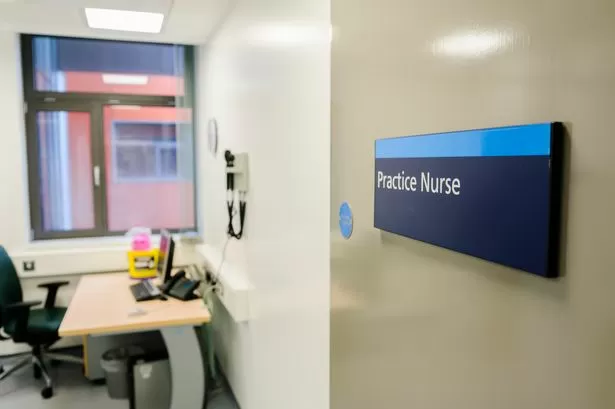
The National Health Service (NHS) has been a pillar of support and care for the people of the United Kingdom for over 70 years. With its dedicated staff and state-of-the-art facilities, the NHS has always been there to provide the best possible healthcare services to its citizens. However, in recent times, the NHS has faced unprecedented challenges due to the ongoing COVID-19 pandemic. In light of this, the NHS has taken a proactive step to ensure the safety and well-being of the public by urging them to dial 111 or 999 in certain circumstances.
The NHS has always been at the forefront of providing emergency medical assistance to those in need. However, with the current situation, it has become even more crucial for people to be aware of when to dial 111 or 999. The NHS has issued a warning to the public, urging them to understand the difference between the two numbers and use them accordingly. While 111 is the number to call for non-emergency medical assistance, 999 is reserved for life-threatening situations that require immediate attention.
In a statement, the NHS has emphasized the importance of using these numbers appropriately, especially during these challenging times. With the pandemic still ongoing, the NHS is under immense pressure, and every call to 111 or 999 must be handled with utmost care and efficiency. By understanding the difference between the two numbers, people can help alleviate the burden on the NHS and ensure that those in critical need receive the necessary care in a timely manner.
The NHS has also highlighted that calling 111 or 999 in non-emergency situations can put a strain on their resources, which in turn can affect the quality of care provided to those in need. In the current situation, it is crucial for the public to be responsible and only call 111 or 999 when absolutely necessary. This will not only help the NHS but also ensure that those who genuinely require emergency assistance receive it without any delays.
Moreover, the NHS has also urged people to use alternative methods of seeking medical advice, such as consulting their local pharmacist or using the NHS website for non-emergency health concerns. This will not only help ease the pressure on the NHS but also ensure that people receive the appropriate care and advice for their health issues.
The NHS has also reminded the public that the 111 service is available 24/7 and is staffed by trained professionals who can assess the urgency of the situation and provide appropriate guidance. This service is particularly helpful for those who are unsure if their health concern requires emergency assistance or not. By calling 111, people can get the necessary advice and avoid putting unnecessary strain on the NHS.
In addition to this, the NHS has also emphasized the importance of following COVID-19 guidelines and staying vigilant to prevent the spread of the virus. By following all necessary precautions, people can reduce the risk of contracting the virus and avoid putting themselves and others at risk. This, in turn, will also help ease the burden on the NHS and allow them to focus on providing care to those who need it the most.
In conclusion, the NHS has once again proven its dedication and commitment to the well-being of the public by urging them to dial 111 or 999 in specific circumstances. By understanding the difference between the two numbers and using them appropriately, people can play their part in supporting the NHS during these challenging times. Let us all work together to ensure that the NHS continues to provide the best possible care to the people of the United Kingdom. Remember, if it’s not an emergency, call 111 and save 999 for those who need it the most. Stay safe, stay healthy!