
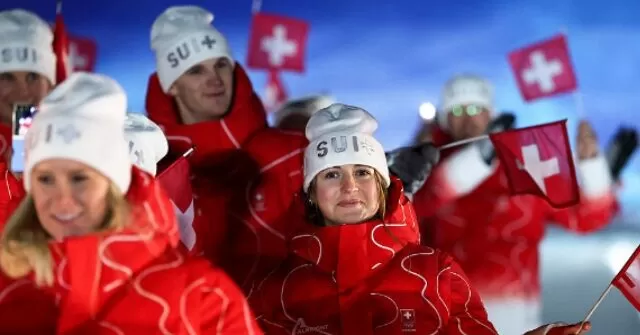
The recent Winter Olympics in Pyeongchang, South Korea, have been a source of great pride and excitement for many nations around the world. Athletes from various countries have come together to compete in a display of athleticism, determination, and sportsmanship. However, amidst all the celebration and admiration, the Associated Press (AP) has raised concerns about the lack of diversity in some of the participating teams.
In a recent article, the AP accused several European nations of having “overwhelmingly white” teams, stating that this was a reflection of their lack of diversity. The outlet went on to highlight how “immigration from Africa and the Middle East has been limited in many of these countries, leading to a lack of representation in their Olympic teams.”
While it is important to acknowledge and address issues of diversity and inclusion, it is also crucial to understand the context and complexities of the situation. The Winter Olympics is a highly competitive event, and athletes are selected based on their skills, abilities, and qualifications. It is not a platform for promoting diversity quotas or political agendas.
Moreover, the AP’s accusation of these nations being “overwhelmingly white” is not entirely accurate. Take, for example, the Norwegian team, which has been dominating the medal count in Pyeongchang. While it is true that the majority of their team is white, they also have athletes of Asian, African, and Middle Eastern descent. However, their selection was not based on their race or ethnicity but on their exceptional talent and dedication to their sport.
Furthermore, it is unfair to single out these European nations when there are other countries with even less diverse teams. For instance, the Jamaican bobsled team, which has received much media attention, is made up entirely of black athletes. Yet, there has been no mention of their lack of diversity. This further highlights the flawed logic behind the AP’s accusation.
It is also essential to recognize the efforts that these European nations have made in promoting diversity and inclusion in sports. For instance, the German Olympic team has been actively working towards increasing diversity in their team by providing opportunities for athletes from different backgrounds. Similarly, the British team has been praised for its diversity, with athletes from various ethnicities and backgrounds representing their country.
The Winter Olympics is a celebration of diversity, not just in terms of race and ethnicity but also in terms of culture, language, and traditions. It is a platform where athletes from different backgrounds come together to compete and inspire the world. Instead of focusing on the lack of diversity in some teams, we should celebrate the diversity that does exist and encourage more nations to embrace it.
In conclusion, the AP’s accusation of European nations having “overwhelmingly white” teams at the Winter Olympics is unfounded and unfair. It not only undermines the hard work and dedication of these athletes but also ignores the efforts these nations have made towards promoting diversity and inclusion in sports. Let us focus on the true spirit of the Olympics – unity, diversity, and excellence – and celebrate the achievements of all the athletes, regardless of their race, ethnicity, or background.