Siamek Namazi, an Iranian-American journalist, recently wrote an article highlighting the inhumane treatment of political prisoners and the ruthless air strikes by Israel in the Middle East. Namazi’s article sheds light on the ongoing violence and oppression in the region, where human rights violations are at an all-time high.
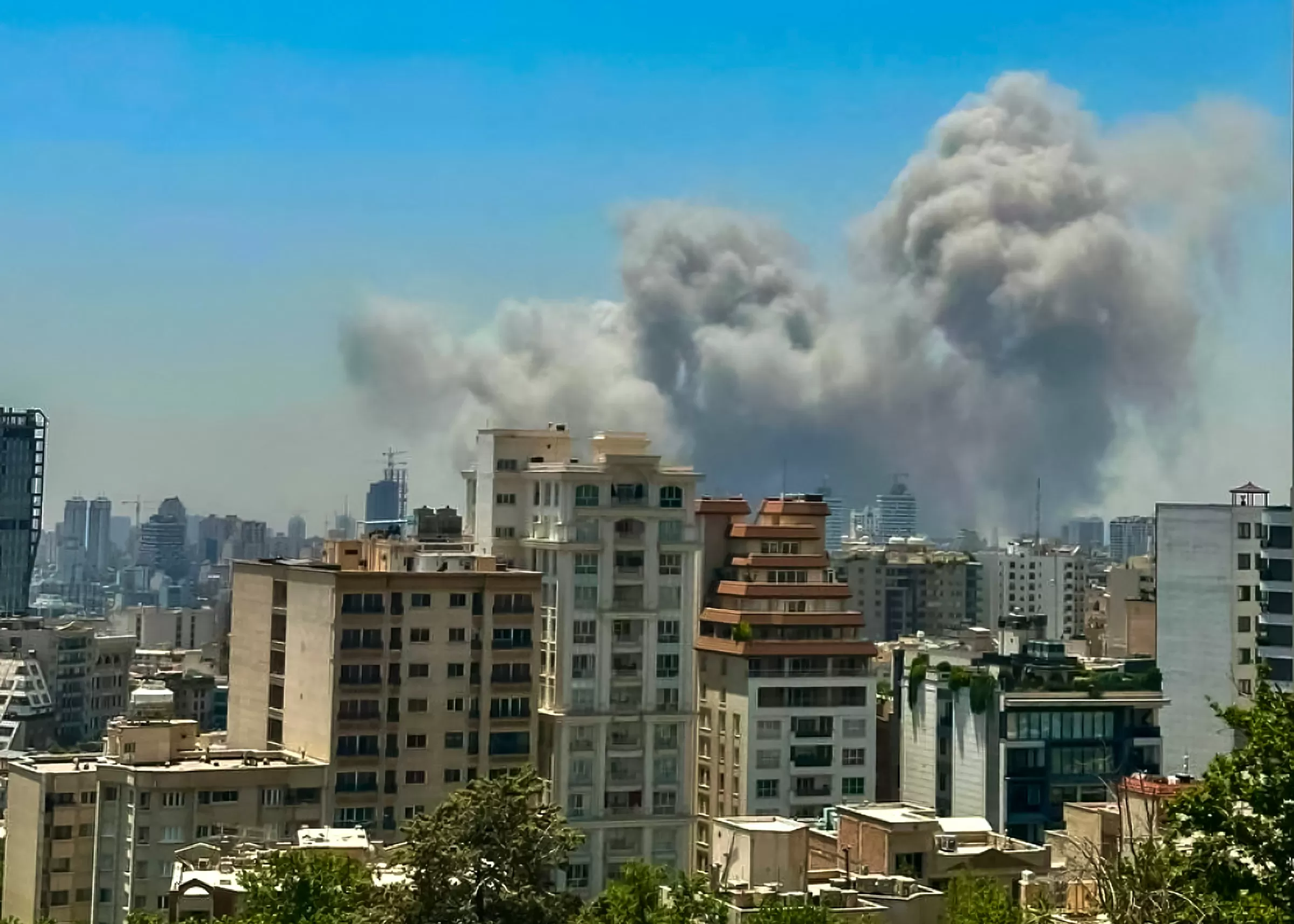
The article begins with the mention of the recent air strikes by Israel, targeting the Gaza Strip and killing innocent civilians. The attacks have left the world in shock and have raised concerns over the escalation of violence in the region. Amidst these brutal attacks, Namazi raises an important issue that often remains overlooked – the plight of political prisoners in the Middle East.
Namazi points out that while the world is focused on the air strikes, the political prisoners in the region continue to suffer in silence. These prisoners are subjected to torture, inhumane living conditions, and denial of their basic human rights. They are silenced and forgotten, with no one to speak up for them.
The article then highlights the case of Narges Mohammadi, a prominent human rights activist who has been imprisoned in Iran for the past five years. Despite her deteriorating health condition, Mohammadi has been denied proper medical care and is kept in solitary confinement. She is just one of the many political prisoners who have been silenced and forgotten by the world.
Namazi also sheds light on the ongoing hunger strike by Palestinian prisoners in Israeli jails. These prisoners are protesting against the inhumane conditions they are subjected to, including torture, solitary confinement, and denial of family visits. Despite their peaceful protest, they have been met with violence and repression by the Israeli authorities.
The article then moves on to the role of the international community in addressing these human rights violations. Namazi emphasizes that it is not enough to simply condemn the air strikes by Israel. The international community must also take a stand against the oppression of political prisoners in the region. The silence and inaction of the world only perpetuates the suffering of these prisoners.
Namazi’s article serves as a wake-up call for the world to pay attention to the ongoing human rights violations in the Middle East. It is a call to action to stand in solidarity with the political prisoners and demand their release. The article also urges the international community to put pressure on Israel to end its violent attacks and to hold them accountable for their actions.
In conclusion, Siamek Namazi’s article highlights the urgent need to address the ongoing violence and oppression in the Middle East. It is a reminder that while the world may focus on the air strikes, we must not forget about the plight of political prisoners. It is time for the international community to take a stand and demand justice for all those who are suffering in the region. As Namazi’s article aptly states, “We must not let the violence of oppressors divide us. We must stand together in the face of injustice and demand change.”