
The Hubble Space Telescope has once again delivered groundbreaking results, this time with a new map that offers double the resolution of its earlier efforts. This incredible achievement has been made possible by the combined efforts of scientists and engineers who have strived to unlock the secrets of the universe.
But what makes this map so special? Well, it takes us on a journey back in time, to a crucial era for galaxy formation, 8 to 10 billion years ago. This is a monumental step in our quest to understand how the universe came into being and gives us a glimpse into the evolution of galaxies.
The previous maps created by the Hubble Space Telescope had been limited by its abilities. However, the new map has been carefully compiled using advanced technology and techniques, which have resulted in an unprecedented level of clarity and detail. This will allow scientists to study the early stages of galaxy formation with greater accuracy and precision.
At the heart of this incredible discovery lies the Advanced Camera for Surveys (ACS), one of the most powerful instruments on the Hubble Space Telescope. It has been instrumental in providing high-resolution images that cover a larger area of the sky, allowing for a more comprehensive view of the universe. Its rigorous calibration and innovative algorithm have played a crucial role in producing this remarkable map.
With this new map, we can now peer back in time and observe galaxies as they existed billions of years ago. This is like a time machine, allowing us to witness the formation and growth of galaxies in their early stages. It is a significant milestone in our journey to understand the complexity of the universe.
So why is studying this crucial era for galaxy formation so important? Well, this period is known as the peak of the cosmic star-formation era. It is when the majority of stars in the universe were formed, and understanding this process is key to unlocking the mysteries of the universe. The new map allows us to study the interactions between galaxies, the formation of stars, and how they shape the universe we see today.
This monumental achievement has been made possible by the collective efforts of a team of scientists from around the world. It is a testament to human curiosity, innovation, and determination. It also serves as a reminder of the capabilities and importance of space exploration.
The advancements in technology and techniques used in creating this new map will pave the way for future discoveries. It will undoubtedly be utilized by generations of scientists, unlocking new and exciting information about our universe.
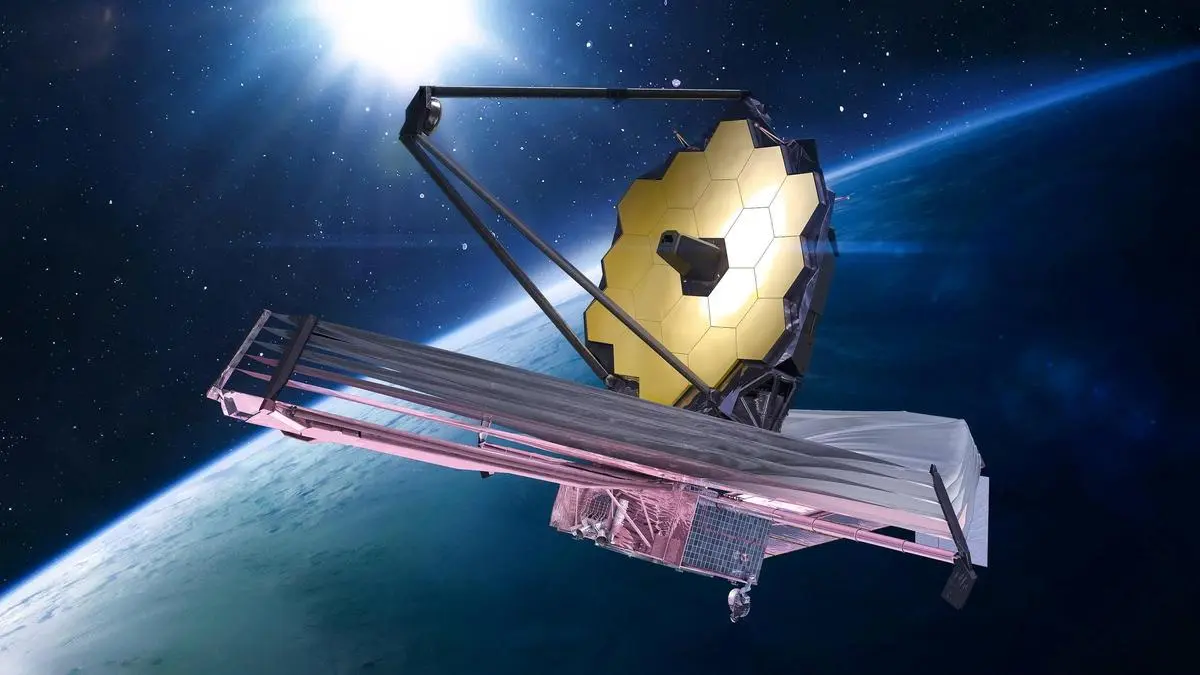
This map could not have come at a better time. With the upcoming launch of the James Webb Space Telescope (JWST), this new map will act as a reference point for future observations and allow researchers to make comparisons between the past and present universe. The JWST is expected to enhance our understanding of the universe even further and, with this new map as a foundation, we can only imagine the endless possibilities.
In conclusion, the new map created by the Hubble Space Telescope is a remarkable achievement for the scientific community. It offers twice the resolution of earlier efforts and takes us back in time to a crucial era for galaxy formation. This is a significant step towards understanding the complexities of our universe, and it will undoubtedly inspire future generations to continue the exploration of our cosmos. Let us celebrate this momentous achievement and look forward to all the incredible discoveries that lie ahead.