
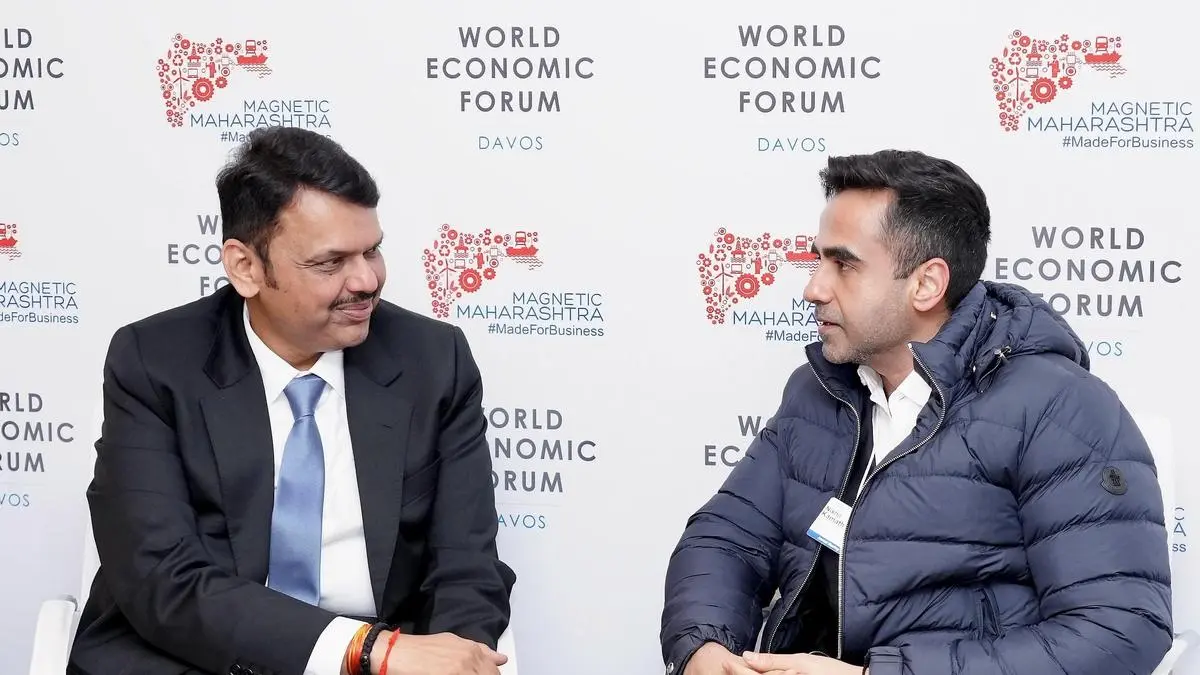
At the World Economic Forum in Davos, Maharashtra Chief Minister Devendra Fadnavis proudly announced that the state is leading the way in providing sustainable energy solutions to its farmers. With Asia’s largest distributed solar network, Maharashtra is setting an example for the rest of the world in harnessing the power of renewable energy.
Fadnavis highlighted that Maharashtra currently supplies 16,000 megawatts (MW) of power to farmers through its distributed solar network. This is a significant achievement, considering that just a few years ago, the state was facing severe power shortages and farmers were bearing the brunt of it. But with the implementation of the distributed solar network, the situation has completely turned around.
The distributed solar network in Maharashtra comprises of small-scale solar power plants that are installed on rooftops, open spaces, and unused land. These plants are connected to the grid and the power generated is distributed to nearby villages and farms. This not only ensures a steady supply of electricity to farmers but also reduces their dependence on traditional sources of energy like diesel generators.
The success of this initiative can be attributed to the state government’s strong commitment to promoting renewable energy. Under the leadership of Chief Minister Fadnavis, Maharashtra has set a target of generating 17,500 MW of solar power by 2022. This ambitious goal has been backed by various policies and incentives to encourage the adoption of solar energy.
One such policy is the ‘Mukhyamantri Saur Krishi Vahini Yojana’ which aims to provide solar-powered irrigation pumps to farmers at subsidized rates. This not only helps in reducing the burden of electricity bills for farmers but also promotes sustainable farming practices. The state has also introduced net metering, which allows farmers to sell excess solar power back to the grid, further incentivizing the use of solar energy.
The benefits of the distributed solar network go beyond just providing electricity to farmers. It has also created job opportunities in the solar industry, boosting the state’s economy. The use of solar energy has also significantly reduced carbon emissions, making Maharashtra a leader in the fight against climate change.
Chief Minister Fadnavis also emphasized the importance of technology in the success of this initiative. The use of smart meters and advanced monitoring systems has enabled efficient management and distribution of solar power. This has not only reduced losses but also improved the overall reliability of the system.
The success of Maharashtra’s distributed solar network has not gone unnoticed. Other states in India and countries around the world are looking to replicate this model to provide sustainable energy solutions to their farmers. This is a testament to the state’s leadership and vision in promoting renewable energy.
In conclusion, Chief Minister Fadnavis’ speech at Davos highlighted the remarkable progress Maharashtra has made in providing sustainable energy solutions to its farmers. The distributed solar network has not only transformed the lives of farmers but has also put the state on the global map as a leader in renewable energy. With continued efforts and support, Maharashtra is well on its way to achieving its goal of becoming a solar-powered state and inspiring others to follow suit.