
In today’s fast-paced world, convenience and instant gratification have become the norm. With hectic schedules and long work hours, many of us turn to takeaways as a quick and easy solution for our meals. However, it’s no secret that these meals are often high in calories, fat, and sodium, making us feel guilty after indulging in them. But have you ever wondered why we can’t seem to resist the temptation of takeaways? A dietitian has the answer.
According to Registered Dietitian, Sarah Jones, there are several factors that contribute to our inability to stop eating takeaways. Ms. Jones explains that our bodies are hardwired to seek pleasure and reward, which is why we often crave foods that are high in fat, sugar, and salt.
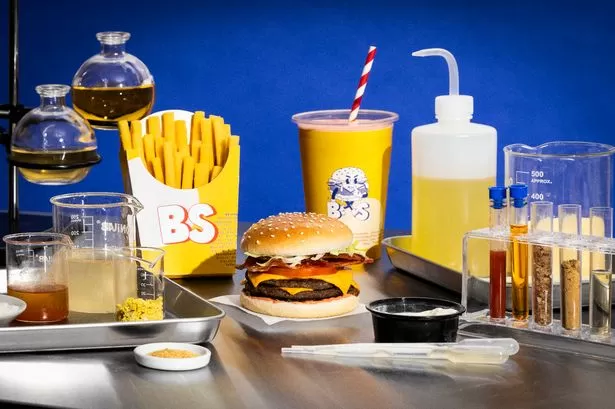
Additionally, the food industry has perfected the art of making takeaways highly palatable and addictive. They use additives, preservatives, and artificial flavorings to enhance the taste of their meals, making it difficult for us to say no.
But perhaps the biggest reason why we can’t resist takeaways is that they provide a sense of comfort and convenience. After a long and tiring day, the thought of cooking a meal from scratch can be daunting. Takeaways offer a quick and effortless option, allowing us to relax and satisfy our hunger cravings without any effort.
Moreover, our busy lifestyles have made it challenging to prioritize healthy eating. With so many responsibilities and commitments, who has the time to plan and cook nutritious meals every day? As a result, we often turn to takeaways as a convenient alternative, even though we are aware of their negative impact on our health.
It’s no surprise that the increasing number of takeaways and their tempting advertisements have made it even harder to resist them. Ms. Jones explains that the constant bombardment of images and messages promoting these foods creates a sense of urgency and FOMO (fear of missing out) in our minds. We worry that we may be missing out on something delicious and satisfying, making it difficult to say no to that tempting burger or pizza.
Ms. Jones also points out that our emotional state plays a significant role in our food choices. We often turn to comfort foods when we are feeling stressed, sad, or lonely. Takeaways, with their high-calorie content, provide a temporary but instant gratification, making us feel good in the moment. However, this instant gratification comes at the cost of our long-term health.
But fret not, as there are ways to break this cycle and reduce our reliance on takeaways. Ms. Jones suggests incorporating more home-cooked meals into our diets and planning ahead for busy days. With a little bit of effort and organization, we can enjoy delicious and healthy meals at home without feeling the need to turn to takeaways.
Another helpful tip is to educate ourselves on the nutritional content of the meals we consume. By understanding the ingredients and portion sizes, we can make more informed choices and opt for healthier options when ordering takeaways.
Ms. Jones also emphasizes the importance of self-care and finding alternative ways to cope with emotions instead of turning to food. Engaging in physical activities, spending time with loved ones, or practicing relaxation techniques can all provide a sense of comfort and help us avoid the temptation of takeaways.
In conclusion, while it may be challenging to resist the temptation of takeaways, we must make a conscious effort to prioritize our health and well-being. As Ms. Jones advises, small changes in our daily habits and mindset can go a long way in reducing our reliance on takeaways. Let’s make a commitment to choose nutritious and balanced meals, and our bodies will thank us in the long run.