
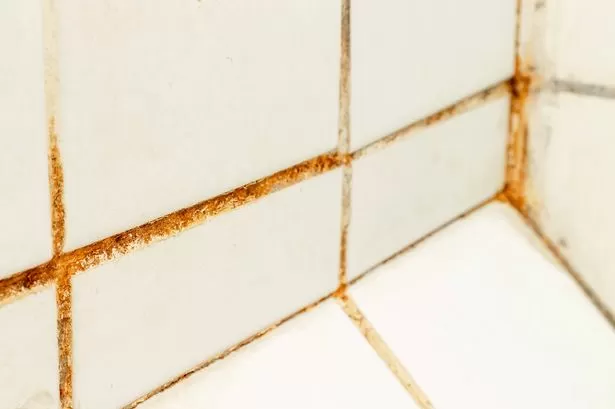
Mould is a common problem that many homeowners face, especially in areas that are prone to high levels of moisture. It can quickly take hold in damp areas, and one of the most common places for it to grow is in the grout between tiles. Not only is this unsightly, but it can also be harmful to your health. Fortunately, experts have discovered a simple solution to remove mould from grout, and it’s not white vinegar as many people believe.
Mould is a type of fungus that thrives in damp and humid environments. It can easily spread and grow on any surface, including the grout between tiles. This is because grout is porous, making it an ideal breeding ground for mould. When left untreated, mould can cause damage to your tiles and even spread to other areas of your home. It can also trigger allergies and respiratory problems, making it essential to address the issue as soon as possible.
Many people believe that using white vinegar is an effective way to remove mould from grout. While vinegar does have some cleaning properties, it is not powerful enough to eliminate mould completely. It may temporarily remove the surface layer of mould, but it will not penetrate deep into the grout to eliminate the root of the problem. This means that the mould will likely grow back, and you will find yourself in a never-ending battle with it.
So, what is the solution to remove mould from grout? The answer is hydrogen peroxide. This common household item is often used as a disinfectant and can also be found in many cleaning products. It is a powerful oxidizing agent that can effectively kill mould and prevent it from coming back. Unlike vinegar, hydrogen peroxide can penetrate deep into the grout and eliminate the mould at its source.
To use hydrogen peroxide to remove mould from grout, follow these simple steps:
1. Mix equal parts of hydrogen peroxide and water in a spray bottle. You can also add a few drops of dish soap for extra cleaning power.
2. Spray the solution onto the affected area, making sure to cover all the mouldy grout.
3. Let the solution sit for about 10-15 minutes to allow it to penetrate the grout.
4. Use a stiff-bristled brush to scrub the grout. You will notice that the mould will start to come off easily.
5. Rinse the area with water and wipe it clean with a cloth.
6. If the mould is stubborn and does not come off easily, you can repeat the process or use a stronger concentration of hydrogen peroxide.
7. Once the mould is removed, make sure to dry the area thoroughly to prevent it from coming back.
It is essential to note that hydrogen peroxide can be a strong chemical, so it is important to wear gloves and eye protection when using it. It is also recommended to test the solution on a small, inconspicuous area first to ensure that it does not damage your tiles or grout.
In addition to using hydrogen peroxide, there are also preventive measures you can take to avoid mould growth in the grout. These include keeping the area well-ventilated, using a dehumidifier, and fixing any leaks or water damage promptly. Regularly cleaning and drying the grout can also help prevent mould from taking hold.
In conclusion, while mould can be a pesky and persistent problem, there is a simple solution to remove it from grout. Hydrogen peroxide is a powerful and effective way to eliminate mould and prevent it from coming back. So, the next time you notice mould growing in the grout between your tiles, remember to reach for hydrogen peroxide instead of white vinegar for a cleaner and healthier home.