
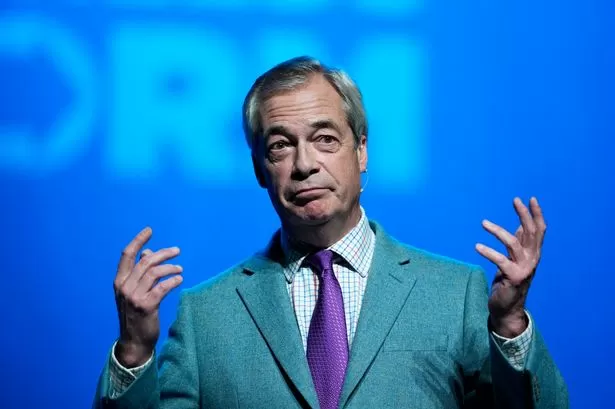
As the United Kingdom prepares to leave the European Union, trade negotiations between the two sides have become increasingly complex and challenging. With the looming exit of one of its key members, the EU is taking proactive measures to protect its future trade relationship with the UK. In a move to safeguard against any potential disruption, the EU is drawing up plans to “Farage-proof” a future trade agreement with the UK.
The decision comes as no surprise as the UK’s departure from the EU, commonly known as Brexit, has been a topic of great contention and uncertainty. The UK’s decision to leave the EU has been primarily driven by the pro-Brexit campaign led by Nigel Farage, the former leader of the UK Independence Party. His anti-EU rhetoric and fervent campaigning played a crucial role in swaying public opinion towards Brexit.
Despite the UK’s exit from the EU, the two sides are still deeply interconnected, with trade being a fundamental aspect of their relationship. Currently, the UK is part of the EU’s customs union, meaning that it enjoys tariff-free trade and no border checks with other member states. However, once the UK officially leaves the EU, this will no longer be the case. As a result, negotiations on a future trade agreement between the two sides are critical, and the EU wants to make sure that these negotiations are not disrupted by any potential political maneuvering.
To “Farage-proof” a future trade agreement, the EU is looking at various strategies to ensure that the UK abides by the terms of the agreement and that there are mechanisms in place to respond to any potential attempts to circumvent them. One of the primary strategies being considered is the use of robust dispute resolution mechanisms. These mechanisms would be set up to quickly and effectively resolve any disputes that may arise in the future. By establishing binding and impartial dispute resolution systems, the EU hopes to prevent any unilateral decisions or actions by the UK that could potentially disrupt the trade agreement.
Furthermore, the EU is also exploring the possibility of including specific clauses in the trade agreement that would protect against any potential attempts by the UK to undercut EU regulations or standards. This could include measures such as the use of tariffs or other restrictions to prevent the UK from gaining an unfair advantage in the European market. These measures would also serve as a deterrent for any future attempts by pro-Brexit politicians to undermine the integrity of the EU’s single market.
Along with dispute resolution mechanisms and regulatory safeguards, the EU is also considering the use of strict enforcement mechanisms to ensure compliance with the trade agreement. This could include the withholding of any trade benefits if the UK fails to abide by the terms of the agreement. By making it clear that there will be consequences for any breach of the trade agreement, the EU aims to create a strong incentive for the UK to honor its commitments.
It is important to note that the EU’s efforts to “Farage-proof” a future trade agreement are not meant to be seen as hostile or antagonistic towards the UK. On the contrary, the EU is committed to negotiating a trade agreement that is fair, mutually beneficial, and respects the sovereignty of both sides. However, given the track record of pro-Brexit politicians like Nigel Farage, it is crucial to take precautionary measures to safeguard against any potential disruptions or attempts to undermine the trade agreement.
In conclusion, as the UK prepares to leave the EU, the European Union is taking proactive steps to safeguard its future trade relationship with the UK. To “Farage-proof” a future trade agreement, the EU is looking at various strategies, including the use of robust dispute resolution mechanisms, regulatory safeguards, and strict enforcement mechanisms. These measures are essential for ensuring a smooth, stable, and mutually beneficial trade agreement between the EU and the UK. With both sides working towards a successful outcome, we can remain optimistic that a strong and positive relationship will continue to exist between the EU and the UK in the future.