
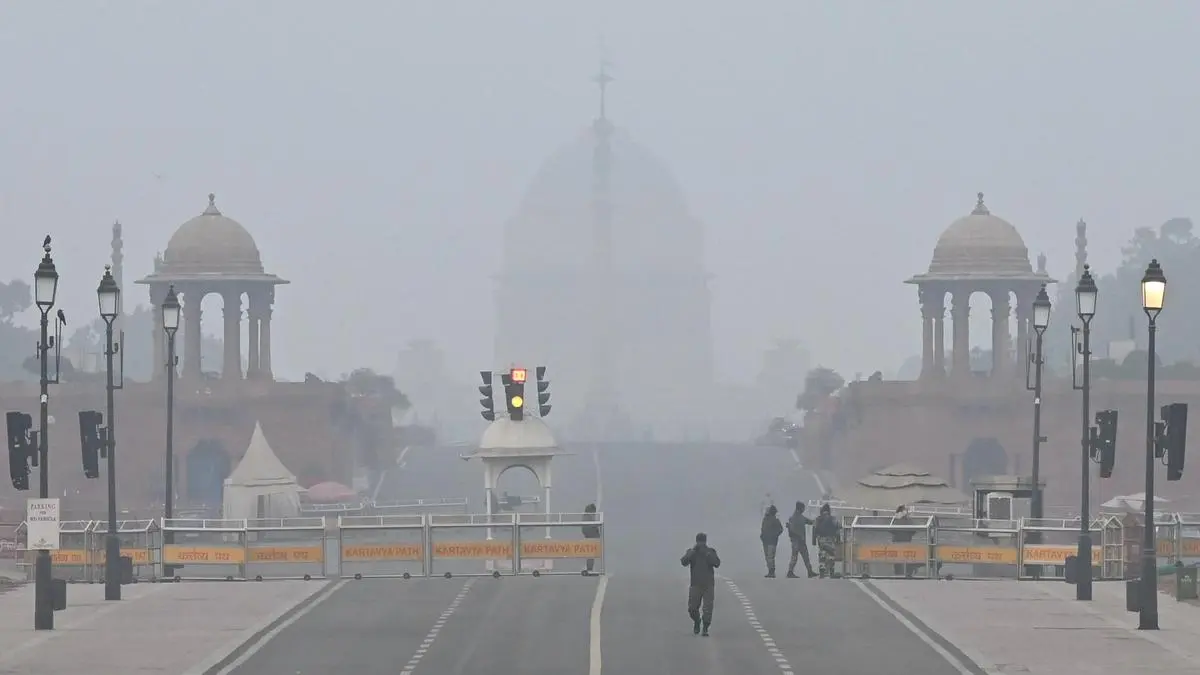
Delhi, the capital city of India, is known for its rich culture, heritage, and bustling streets. However, over the years, it has also gained a reputation for its deteriorating air quality. According to the latest report by the Central Pollution Control Board (CPCB), Delhi recorded an Air Quality Index (AQI) of 260 in the ‘Poor’ category by 8 am on Monday. While this may sound concerning, it is also a reminder for us to take immediate action and work towards improving the air we breathe.
The AQI is a measure of the air quality in a specific area and is calculated based on the levels of pollutants present in the air. The higher the AQI, the poorer the air quality and the greater the health concern. The AQI is divided into six categories, namely Good, Satisfactory, Moderate, Poor, Very Poor, and Severe, with each category having a specific range of AQI values. The ‘Poor’ category, as recorded in Delhi, indicates that the air quality is harmful to sensitive groups, and it is essential to take necessary precautions.
The high AQI in Delhi is a result of various factors, including vehicular emissions, industrial activities, construction dust, and crop burning in neighboring states. The onset of winter and the calm weather conditions also contribute to the accumulation of pollutants in the air, leading to a spike in AQI levels. It is a matter of grave concern as the poor air quality can have severe health implications, especially for children, the elderly, and those with respiratory diseases.
The CPCB has been closely monitoring and reporting on the air quality in Delhi and other major cities in India. It has also been working towards implementing measures to control and reduce air pollution. The ‘National Clean Air Programme’ (NCAP), launched by the Government of India in 2019, aims to reduce the concentration of pollutants in the air by 20-30% in the next five years. The program focuses on a comprehensive approach, including source apportionment studies, setting up of air quality monitoring systems, and promoting cleaner technologies.
Apart from the efforts of the government, it is also crucial for each one of us to take responsibility and contribute towards improving the air quality. Simple steps like carpooling, using public transport, and avoiding the use of personal vehicles for short distances can significantly reduce vehicular emissions. Proper waste management and minimizing the use of plastic can also help in reducing air pollution. Additionally, planting trees and creating green spaces can help in purifying the air and making our cities healthier.
The current situation in Delhi is a wake-up call for all of us to take urgent action towards reducing air pollution. It is heartening to see that the government and various organizations are working towards improving the air quality. However, it is also our individual responsibility to make conscious choices and adopt sustainable practices to protect our environment and our health.
It is essential to remember that air pollution is not just a problem in Delhi but a global issue. It affects not only our health but also the economy and the environment. Therefore, it is crucial to spread awareness and work towards finding long-term solutions to tackle this problem.
In conclusion, the AQI of 260 in Delhi is a reminder for us to take immediate action and work towards improving the air quality. Let us all come together and make a conscious effort to reduce air pollution and make our cities cleaner and healthier. As responsible citizens, it is our duty to ensure a better and cleaner tomorrow for ourselves and the future generations. Let us act now before it’s too late.