
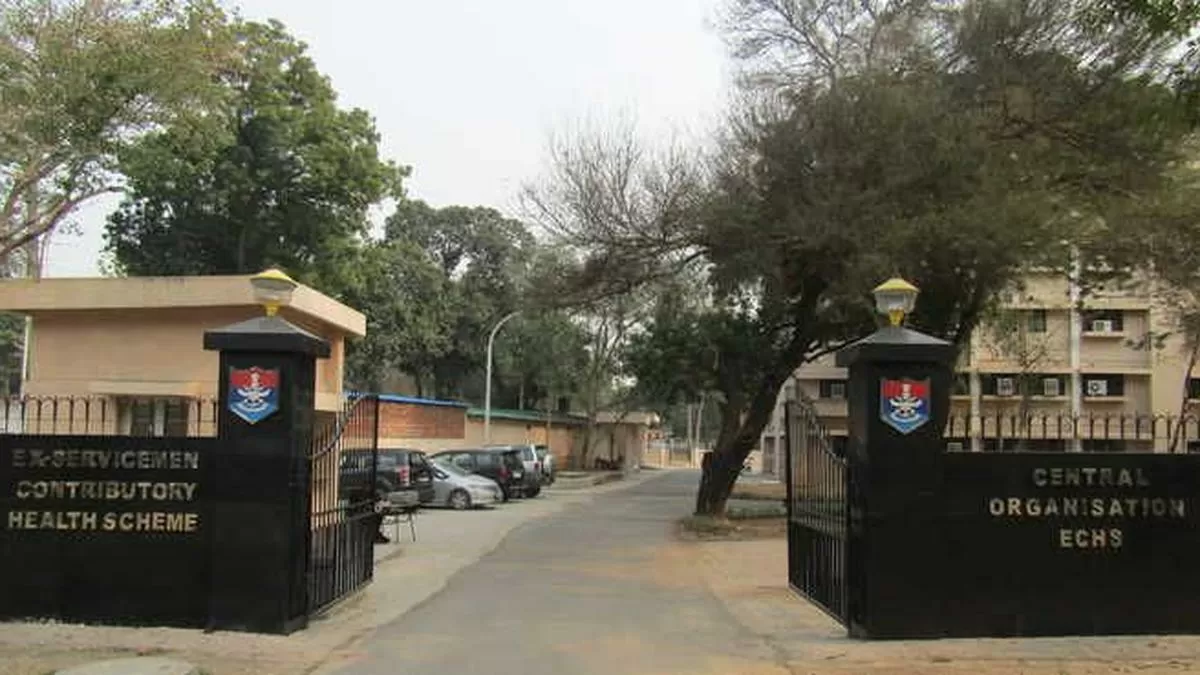
The Ex-Servicemen Contributory Health Scheme (ECHS) was launched in 2003 with the aim of providing quality healthcare to retired armed forces personnel and their dependents. With around 20 lakh beneficiaries, the ECHS has been a lifeline for many veterans and their families. However, recent reports have highlighted the financial strain that the scheme is facing, with an annual requirement of ₹14,000 crore but only receiving ₹2,000 crore. This has resulted in pending bills and delayed reimbursements, causing inconvenience and frustration for the beneficiaries. It is high time that the government takes necessary steps to address this issue and ensure that the ECHS continues to serve its purpose effectively.
The ECHS was established with the noble intention of providing comprehensive healthcare to ex-servicemen and their dependents, who have dedicated their lives to serving the nation. The scheme covers a wide range of medical services, including hospitalization, diagnostic tests, and medicines, among others. It also has tie-ups with a network of empanelled hospitals, both government and private, to ensure that the beneficiaries have access to quality healthcare services. This has been a huge relief for the retired armed forces personnel, who often face financial constraints in their post-retirement years.
However, the recent financial crunch faced by the ECHS has raised concerns among the beneficiaries. The scheme requires an annual budget of ₹14,000 crore to cater to the healthcare needs of 20 lakh beneficiaries, but it has received only ₹2,000 crore, which is a mere fraction of the required amount. This has resulted in a backlog of pending bills and delayed reimbursements, causing inconvenience and financial burden for the beneficiaries. Many of them have been forced to bear the expenses out of their own pockets, which defeats the purpose of the scheme.
The delay in reimbursements has also affected the empanelled hospitals, who have been providing their services to the beneficiaries at a discounted rate. The pending bills have put a strain on their finances, and some have even threatened to withdraw from the scheme if the situation does not improve. This would further limit the options for the beneficiaries, who may have to travel long distances to avail healthcare services.
The government must take immediate steps to address this issue and ensure that the ECHS receives the necessary funds to function smoothly. The armed forces personnel have dedicated their lives to serving the nation, and it is the government’s responsibility to take care of their healthcare needs. The ECHS has been a lifeline for many veterans and their families, and any delay or disruption in its services would be a huge setback for them.
One of the reasons for the financial crunch faced by the ECHS is the increase in the number of beneficiaries over the years. The scheme was initially launched with a budget of ₹1,200 crore, which has now increased to ₹14,000 crore due to the rise in the number of beneficiaries. This is a clear indication of the success of the scheme and the trust that the ex-servicemen have in it. However, the government must also take into consideration the increasing cost of healthcare services and allocate sufficient funds to meet the growing demand.
Another issue that needs to be addressed is the delay in the release of funds by the Ministry of Defence (MoD). The ECHS is under the administrative control of the MoD, and any delay in the release of funds can have a cascading effect on the functioning of the scheme. The government must ensure that the funds are released in a timely manner to avoid any disruption in the services provided by the ECHS.
Moreover, there is a need for better coordination between the ECHS and the empanelled hospitals. The delay in reimbursements can be attributed to the lack of coordination and communication between the two. The government must take necessary steps to streamline the process and ensure that the hospitals receive their payments on time. This would not only benefit the hospitals but also the beneficiaries, who would have access to timely and quality healthcare services.
In conclusion, the ECHS has been a boon for the ex-servicemen and their dependents, providing them with much-needed healthcare services. However, the financial crunch faced by the scheme has raised concerns among the beneficiaries. The government must take necessary steps to address this issue and ensure that the ECHS receives the necessary funds to function effectively. It is the least we can do for the brave men and women who have dedicated their