
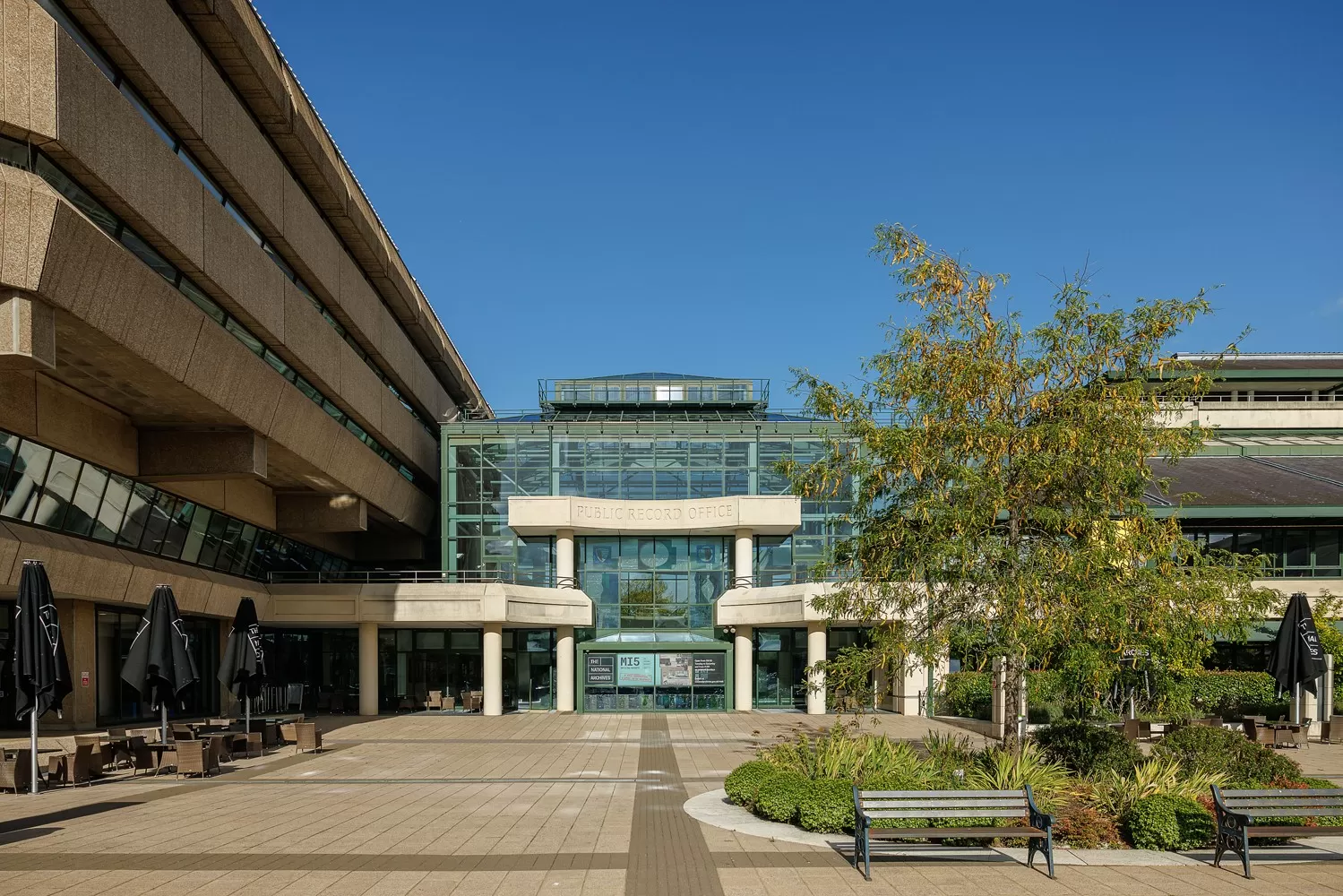
The National Archives, located in Kew, London, is a treasure trove of historical documents and records that provide a glimpse into the past. From royal decrees to personal letters, these records offer a unique perspective on the events and people that have shaped our world. And now, visitors to The National Archives have even more reason to be excited as they can now access records from Parliament’s Archive, including the highly sought-after Beaverbrook Library Collections.
The Beaverbrook Library Collections, which have historically been the most requested set of records, will now be available for public access at The National Archives. This is a significant development for historians, researchers, and anyone with an interest in politics and the history of the United Kingdom. These collections comprise papers from some of the most influential political figures in British history, including David Lloyd George, Lord Beaverbrook, and Andrew Bonar Law.
For those unfamiliar with these names, let us give you a brief overview of their significance. David Lloyd George was the Prime Minister of the United Kingdom from 1916 to 1922 and played a crucial role in leading the country through World War I. Lord Beaverbrook, also known as Max Aitken, was a prominent businessman, newspaper owner, and politician who served as a Minister of Information during World War I. Andrew Bonar Law was the Prime Minister of the United Kingdom from 1922 to 1923 and is known for his role in the formation of the Conservative Party.
The Beaverbrook Library Collections contain a vast array of documents, including personal correspondence, speeches, and official papers, providing a unique insight into the lives and thoughts of these influential figures. These records are a valuable resource for researchers and historians, offering a deeper understanding of the political landscape of the time and the decisions that shaped the nation.
The decision to make these records available for public access at The National Archives is a significant step towards promoting transparency and accessibility. The National Archives is committed to preserving and sharing the nation’s history, and this move is a testament to that commitment. By making these records available, The National Archives is providing an opportunity for everyone to delve into the past and gain a better understanding of our country’s political history.
But that’s not all. The National Archives has also digitized a significant portion of these records, making them accessible online for those who are unable to visit in person. This is a fantastic development for those who are unable to travel to Kew but still want to explore these valuable documents.
The National Archives has always been a popular destination for researchers and history enthusiasts, and with the addition of the Beaverbrook Library Collections, it is set to become an even more sought-after location. The availability of these records will undoubtedly attract a more diverse audience, including students, academics, and members of the public with a general interest in history.
In conclusion, the news that visitors to The National Archives can now access records from Parliament’s Archive, including the Beaverbrook Library Collections, is a cause for celebration. This move not only promotes transparency and accessibility but also provides a unique opportunity for everyone to explore the lives and thoughts of some of the most influential political figures in British history. We applaud The National Archives for their commitment to preserving and sharing our nation’s history and look forward to the many discoveries that will be made through these records.