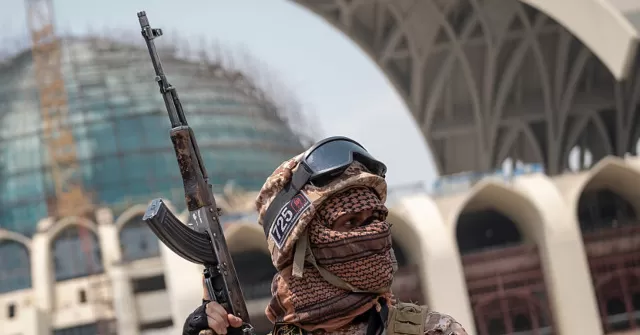
Iran’s government officials have taken a bold step this week by ordering a shutdown in response to the ongoing riots and protests over the country’s dire economic and political situation. The decision, while not an easy one, shows the government’s commitment to addressing the concerns of its citizens and finding solutions to the challenges facing the nation.
The recent protests, which have been ongoing for several weeks, have been fueled by the economic crisis that has gripped Iran. The country’s currency, the rial, has plummeted in value, causing a sharp rise in prices and making it difficult for many Iranians to afford basic necessities. In addition, the government’s mismanagement and corruption have only exacerbated the situation, leaving many citizens feeling frustrated and hopeless.
Amidst this turmoil, the government has taken a bold step by ordering a shutdown in an effort to restore order and address the concerns of its citizens. This decision has not been taken lightly, as it will have a significant impact on the economy and the daily lives of Iranians. However, it is a necessary step to ensure the safety and well-being of the people.
The shutdown has been met with mixed reactions, with some supporting the government’s actions and others criticizing it. However, what cannot be denied is the fact that the protests and riots have caused chaos and disruption in the country, and something needed to be done to restore order. The government’s decision to shut down the country is a clear message that it is taking the situation seriously and is committed to finding solutions.
During the shutdown, crowds have taken to the streets, chanting “Death to the Dictator!” This is a powerful statement that reflects the frustration and anger of the people towards the government. However, it is also a call for change and a demand for a better future for Iran. The people of Iran are not just protesting for the sake of it; they are fighting for their rights and for a better future for themselves and their families.
The economic crisis in Iran has not only affected the citizens but has also had a significant impact on the country’s international relations. The sanctions imposed by the United States have further worsened the situation, making it difficult for Iran to trade and do business with other countries. This has led to a decline in foreign investment and has hindered the country’s economic growth.
However, despite these challenges, Iran remains a strong and resilient nation. Its people have shown time and again that they are determined and united in the face of adversity. The shutdown may be a difficult time for the country, but it is also an opportunity for the government to reflect on its policies and make necessary changes to improve the lives of its citizens.
The government has already taken some steps towards addressing the economic crisis, such as implementing new currency policies and increasing subsidies for basic goods. However, more needs to be done, and the shutdown can serve as a wake-up call for the government to take swift and effective action.
In the midst of all the chaos and uncertainty, one thing is clear – the people of Iran want change. They want a government that is transparent, accountable, and responsive to their needs. The shutdown may be a temporary measure, but it is a step towards a better future for Iran.
As the shutdown continues, it is important for all parties involved to remain calm and work towards finding solutions. The government must listen to the concerns of its citizens and take concrete steps to address them. At the same time, the people must also play their part by remaining peaceful and avoiding any acts of violence.
In conclusion, the shutdown ordered by Iran’s government officials is a bold move that reflects their commitment to addressing the country’s economic and political challenges. It is a difficult but necessary step towards finding solutions and creating a better future for Iran. Let us hope that this shutdown will pave the way for positive change and a brighter future for the people of Iran.