
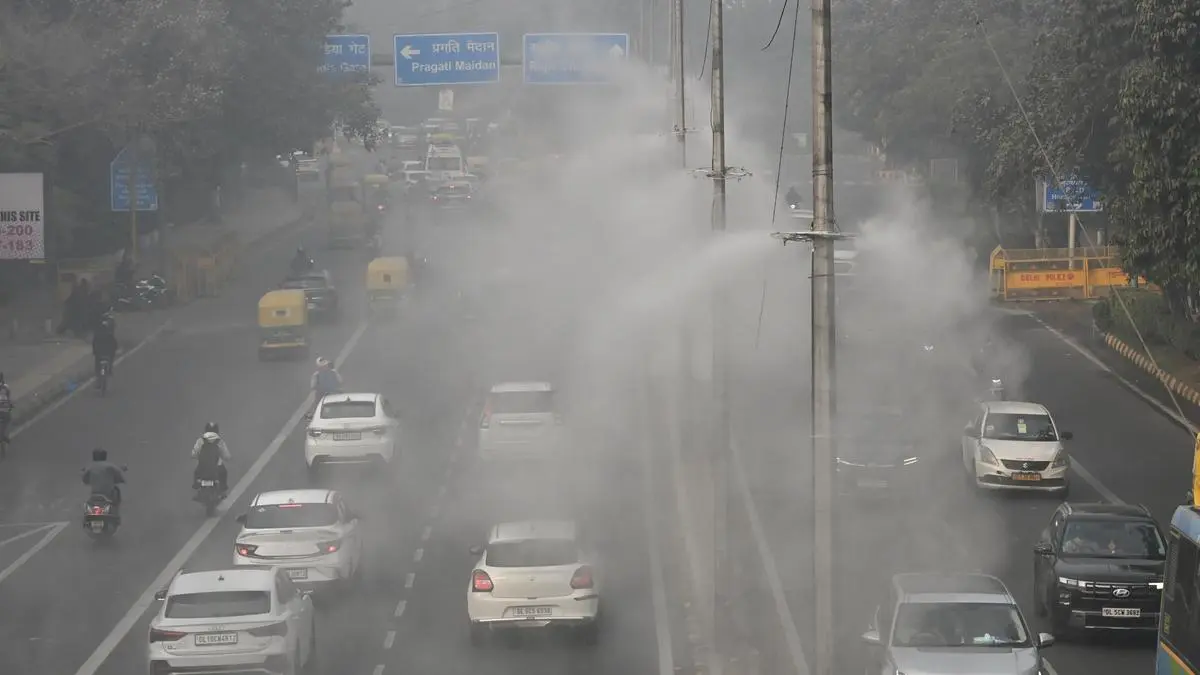
The issue of pollution has been a growing concern for many years, with its detrimental effects on the environment and human health becoming increasingly evident. In response, governments and organizations have implemented various measures to control and reduce pollution levels. However, these efforts have often been reactive, focusing on addressing the consequences of pollution rather than preventing it in the first place. This is where the proposed initiative comes in – to shift pollution control from reactive measures to real-time, data-driven interventions through dynamic source apportionment.
The concept of dynamic source apportionment may sound complex, but at its core, it is a simple and effective approach to tackling pollution. It involves using real-time data to identify and target the sources of pollution, allowing for more efficient and targeted interventions. This is a significant shift from traditional methods, which rely on historical data and general assumptions about pollution sources.
One of the key benefits of this approach is its ability to provide accurate and timely information on pollution sources. By using real-time data, authorities can quickly identify and address the sources of pollution, leading to more effective and immediate interventions. This is especially crucial in highly polluted areas, where quick action is necessary to protect the health of the population and the environment.
Moreover, dynamic source apportionment also allows for a more comprehensive understanding of pollution sources. By continuously monitoring and analyzing data, authorities can gain insights into the patterns and trends of pollution, helping them to develop long-term strategies for pollution control. This is a significant improvement from traditional methods, which often rely on limited and outdated data.
Another advantage of this approach is its potential to involve the community in pollution control efforts. By providing real-time data on pollution sources, individuals and communities can become more aware of their impact on the environment and take necessary actions to reduce pollution. This can lead to a more significant shift towards sustainable and eco-friendly practices, ultimately contributing to a cleaner and healthier environment.
The proposed initiative also has the potential to drive innovation and technological advancements in pollution control. With the use of real-time data and advanced analytics, there is a need for sophisticated and efficient monitoring systems. This can spur the development of new technologies and solutions that can further improve pollution control efforts.
Furthermore, dynamic source apportionment can also have economic benefits. By targeting specific pollution sources, authorities can reduce the overall cost of pollution control measures. This is because interventions can be more focused and efficient, leading to cost savings in the long run. Additionally, by involving the community in pollution control efforts, there is a potential for job creation in the development and maintenance of monitoring systems.
Of course, like any new initiative, there may be challenges and obstacles to overcome. One of the main challenges is the need for reliable and accurate data. This requires a robust and continuous monitoring system, which can be costly and challenging to implement in some areas. However, with advancements in technology, this challenge can be overcome, and the benefits of dynamic source apportionment far outweigh the costs.
In conclusion, the proposed initiative to shift pollution control from reactive measures to real-time, data-driven interventions through dynamic source apportionment is a significant step towards a cleaner and healthier environment. By using real-time data and advanced analytics, this approach has the potential to revolutionize pollution control efforts, leading to more efficient, targeted, and sustainable interventions. It is a positive and proactive approach that can bring about long-term benefits for both the environment and human health. Let us embrace this initiative and work towards a greener and cleaner future for generations to come.