
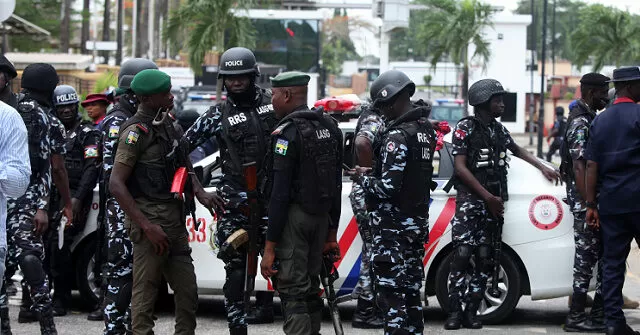
In a recent interview on PBS NewsHour, J. Peter Pham, a distinguished fellow at the Atlantic Council and former United States Special Envoy for the Sahel Region of Africa, shed light on the challenges of coordinating strikes with the Nigerian government. Pham highlighted the risks involved in working with certain parts of the Nigerian government, which he deemed “suspect.” This statement has raised concerns about the effectiveness of collaboration between the US and Nigeria in addressing security issues in the region.
The Sahel region of Africa, which encompasses countries such as Nigeria, Niger, Mali, and Chad, has been plagued by violence and instability for years. The rise of extremist groups, such as Boko Haram, has led to widespread fear and displacement among the local population. In response, the US has been working closely with the Nigerian government to combat these threats and bring stability to the region.
However, Pham’s comments have brought to light the challenges faced in this partnership. He pointed out that there are certain elements within the Nigerian government that are not reliable partners in the fight against extremism. This raises concerns about the effectiveness of joint efforts and the potential risks involved.
Pham’s concerns are not unfounded. Nigeria has a history of corruption and political instability, which has hindered its ability to effectively address security issues. In addition, there have been reports of human rights abuses by the Nigerian military in their fight against Boko Haram, further complicating the situation.
Despite these challenges, it is important to note that the US and Nigeria have a long-standing partnership and have made significant progress in addressing security threats in the region. The US has provided military and intelligence support to the Nigerian government, which has helped in the fight against Boko Haram. In addition, the US has also provided humanitarian aid to those affected by the conflict.
However, it is crucial for both parties to address the issues raised by Pham and work towards finding solutions. The US must ensure that its support is not being misused by certain elements within the Nigerian government. At the same time, the Nigerian government must take steps to address corruption and human rights abuses within its ranks.
It is also important for the US to engage with other stakeholders in the region, such as civil society organizations and local communities, to ensure that their perspectives and needs are taken into account in the fight against extremism. This will not only help in building trust and cooperation but also lead to more effective and sustainable solutions.
In conclusion, the partnership between the US and Nigeria in addressing security issues in the Sahel region is crucial, but it is not without its challenges. The concerns raised by Pham must be addressed, and both parties must work together to find solutions. With a united and concerted effort, we can bring stability and peace to the region and ensure a better future for its people.