
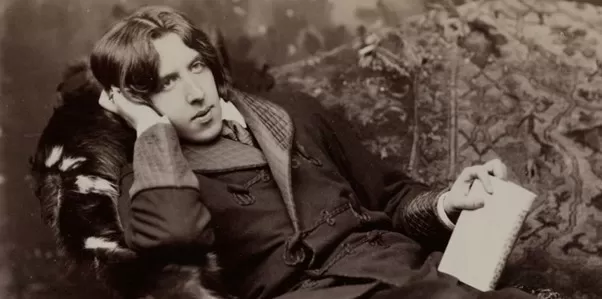
A passionate plea for clemency from Oscar Wilde’s lover Lord Alfred Douglas has resurfaced and will be on display at The National Archives’ Love Letters exhibition, opening in January. The letter, addressed to Queen Victoria on 25 June 1895, begs for her to exercise her “power of pardon” in the case of the renowned poet and dramatist who was facing a grave injustice.
The letter, written during a time of great turmoil and scandal, reveals the deep love and devotion that Lord Alfred Douglas had for Oscar Wilde. It is a heartfelt plea for mercy and a desperate attempt to save the man he loved from a harsh and unjust punishment.
In the late 19th century, Oscar Wilde was at the height of his career, known for his wit, charm, and literary genius. However, his life took a tragic turn when he was accused of “gross indecency” with other men, a crime that was considered a serious offense at the time. Wilde was arrested and put on trial, which ultimately led to his conviction and imprisonment.
Amidst the chaos and public outrage, Lord Alfred Douglas, also known as “Bosie”, stood by Wilde’s side, determined to fight for his lover’s freedom. In his letter to Queen Victoria, he pleads for her to show mercy and use her power to pardon Wilde. He writes, “I beg of your Majesty to exercise your royal prerogative of mercy and to grant him a free pardon.”
The letter is a testament to the deep love and unwavering loyalty that Lord Alfred Douglas had for Wilde. It is a powerful and emotional plea, filled with heartfelt words and a desperate hope for a happy ending. He writes, “I implore your Majesty to show mercy and compassion towards a man who has been wronged and is suffering greatly.”
Lord Alfred Douglas also highlights Wilde’s contributions to literature and the arts, stating, “He is a man of great talent and has brought much joy and inspiration to the world through his works. It would be a great loss to society if he were to be imprisoned for such a long time.”
The letter also sheds light on the societal attitudes towards homosexuality during that time. Lord Alfred Douglas acknowledges the injustice and prejudice that Wilde faced, stating, “He has been unfairly judged and condemned for his love for another man. I pray that your Majesty will see beyond the narrow-mindedness of society and show compassion towards him.”
Unfortunately, Queen Victoria did not grant Wilde a pardon, and he was sentenced to two years of hard labor. However, Lord Alfred Douglas’s letter remains a powerful reminder of the love and devotion that he had for Wilde, and the injustice that he faced.
The Love Letters exhibition at The National Archives will give visitors a glimpse into the intimate and personal side of history. It will showcase letters, diaries, and other personal documents that reveal the love stories of some of the most influential figures in history.
The inclusion of Lord Alfred Douglas’s letter in the exhibition is a poignant reminder of the power of love and the lengths that one would go to for their beloved. It is a plea for clemency that still resonates with us today, reminding us of the importance of compassion and understanding towards those who are different from us.
In conclusion, Lord Alfred Douglas’s passionate plea for clemency is a powerful and emotional piece of history that will be on display at The National Archives’ Love Letters exhibition. It is a reminder of the love and devotion that he had for Oscar Wilde and the injustice that he faced. Let us take this opportunity to reflect on the past and strive towards a more compassionate and accepting society.