
India, a country known for its diverse culture and rich heritage, is also known for its agricultural sector. Agriculture is the backbone of the Indian economy, providing employment to a large percentage of the population and contributing significantly to the country’s GDP. However, the success of this sector is heavily dependent on the monsoon season, which brings much-needed rainfall to the country.
This week, India received some concerning news as it was reported that the country has received 21% deficient rainfall. This news has raised concerns among farmers and policymakers as it could potentially affect the agricultural output of the country. However, amidst this worrying news, there is a glimmer of hope. The water levels in the country’s major reservoirs are at 86.41% of their total capacity, which is a positive sign for the agricultural sector.
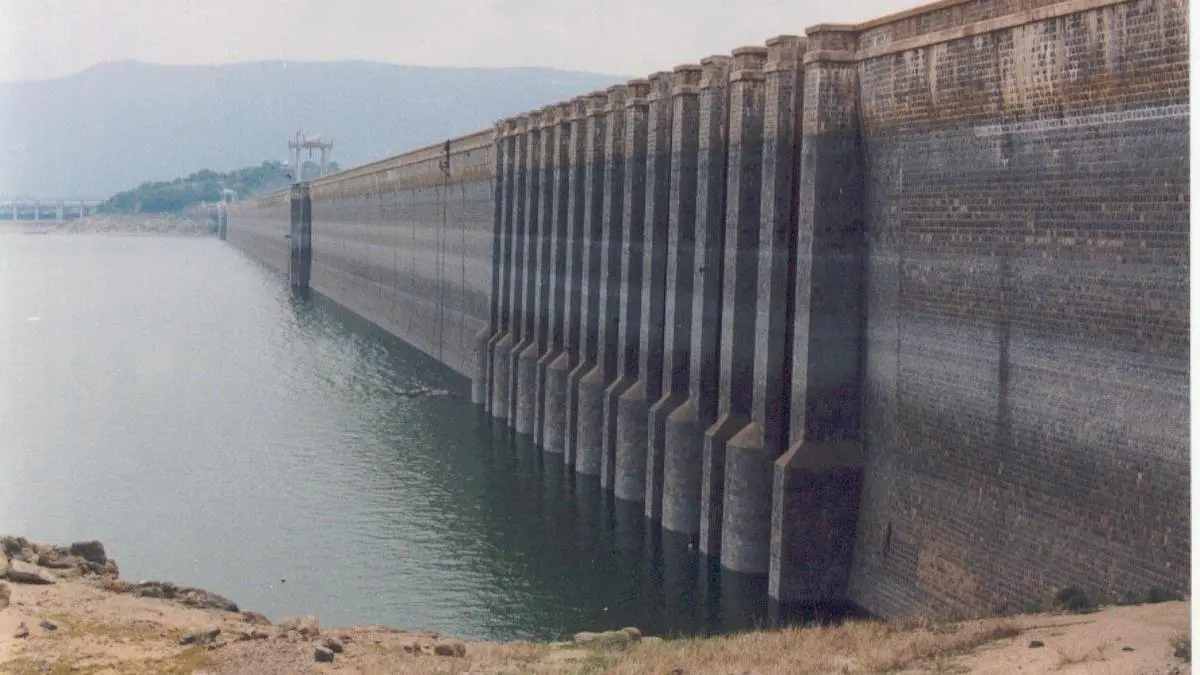
The 183.565 BCM (billion cubic meters) capacity of the country’s reservoirs is crucial for irrigation, drinking water, and hydropower generation. The current water levels are a result of the heavy rainfall received in the previous weeks, which has helped in replenishing the reservoirs. This is a significant improvement from last year when the water levels were at 74.5% of the total capacity.
The rise in water levels is a testament to the efficient management of water resources in the country. The government has taken several measures to ensure that the water is used judiciously and is not wasted. The implementation of water conservation techniques like rainwater harvesting and drip irrigation has also played a crucial role in maintaining the water levels in the reservoirs.
The increase in water levels is not only beneficial for the agricultural sector but also for the overall development of the country. With sufficient water supply, industries can function smoothly, and there will be no shortage of drinking water for the citizens. This will also help in generating electricity through hydropower, reducing the country’s dependence on non-renewable sources of energy.
Moreover, the rise in water levels is a positive sign for the farmers who were worried about their crops due to the deficient rainfall. With the water levels at a comfortable level, farmers can continue their agricultural activities without any hindrance. This will not only ensure food security for the country but also contribute to the economic growth of the nation.
The government has also taken proactive steps to mitigate the effects of deficient rainfall. The Ministry of Agriculture has advised farmers to use drought-resistant crops and adopt water-saving techniques to minimize the impact of the dry spell. The government has also announced financial assistance for farmers who have been affected by the deficient rainfall.
It is essential to note that the current water levels in the reservoirs are still higher than the average of the last ten years. This is a positive indication that the country’s water resources are being managed efficiently, and the effects of deficient rainfall can be mitigated. The government’s efforts to promote sustainable water management practices have also played a crucial role in maintaining the water levels in the reservoirs.
In conclusion, while the news of 21% deficient rainfall may have caused some concern, the rise in water levels in the country’s major reservoirs is a positive development. It is a testament to the efficient management of water resources and the government’s efforts to promote sustainable practices. With the current water levels at 86.41% of the total capacity, the country can continue its agricultural activities without any major disruptions. This news should motivate us to continue our efforts towards water conservation and sustainable development, ensuring a bright future for our country.