On August 20, 2021, Rajasthan Rajya Vidyut Utpadan Nigam Limited (RRVUNL) signed a historic agreement with Singareni Collieries Company Limited (SCCL) for the production of renewable and thermal power. This collaboration is a significant step towards the promotion of clean energy and sustainable development in India.
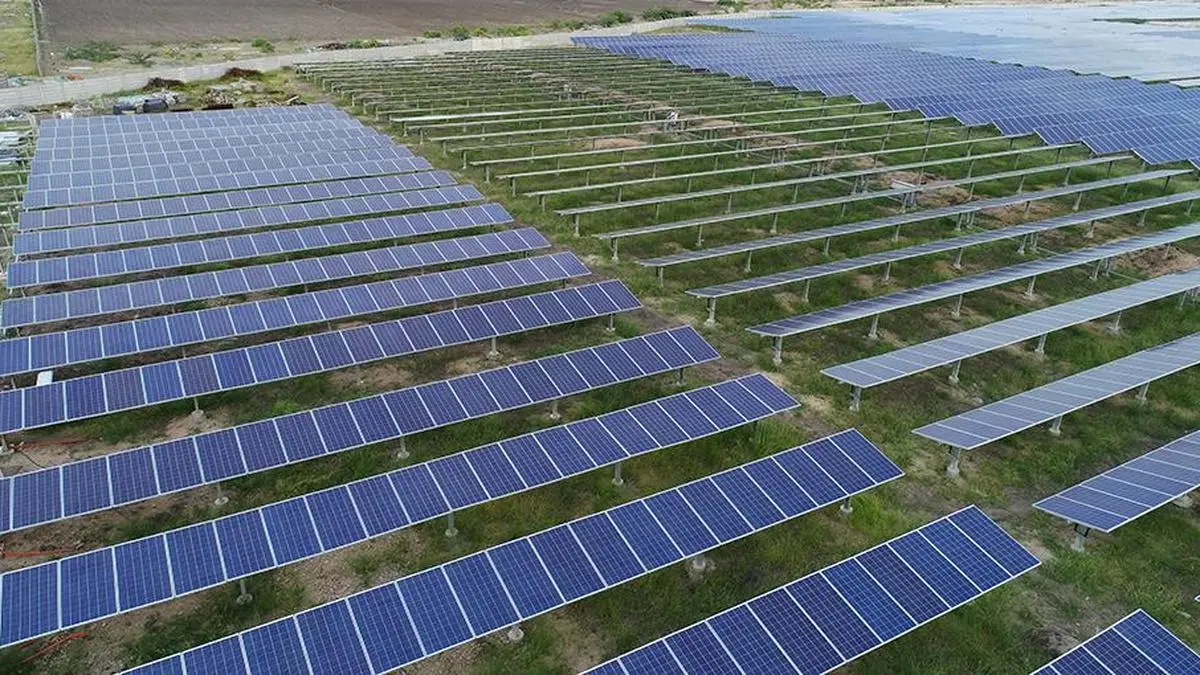
Under this agreement, RRVUNL and SCCL will jointly work towards the production of 1,500 megawatts (MW) of solar power and 800 MW of thermal power. This partnership aims to provide reliable and affordable energy to the people of Rajasthan and Telangana, while also contributing to the overall growth of the energy sector in the country.
The agreement was signed in the presence of Hon’ble Chief Minister of Rajasthan, Shri Ashok Gehlot and Hon’ble Chief Minister of Telangana, Shri K. Chandrasekhar Rao. This collaboration is a result of the visionary leadership and commitment of these two states towards promoting renewable energy sources and reducing their carbon footprint.
The production of renewable energy has become a top priority for India, and this partnership between RRVUNL and SCCL is a significant step towards achieving this goal. Solar power is an abundant and clean source of energy, and with the implementation of this project, Rajasthan and Telangana will be able to reduce their dependence on conventional sources of energy, such as coal and natural gas.
The production of solar power will also help in reducing the emission of greenhouse gases, which are major contributors to global warming and climate change. By opting for renewable sources of energy, RRVUNL and SCCL are setting an example for other states and industries to follow. This partnership is a clear indication of their commitment towards a greener and more sustainable future.
In addition to solar power, this agreement also focuses on the production of thermal power. Thermal power is the most widely used source of energy in India and is essential for powering industries, homes, and businesses. By combining their expertise and resources, RRVUNL and SCCL will be able to produce 800 MW of thermal power, which will help in meeting the increasing demand for electricity in both states.
Moreover, the use of advanced technologies and techniques in the production of thermal power will help in minimizing the impact on the environment. This project will also create job opportunities for the local communities, thus contributing to the socio-economic development of the regions.
This partnership between RRVUNL and SCCL is a win-win situation for both parties. While RRVUNL will benefit from SCCL’s expertise in the production of solar power, SCCL will be able to utilize RRVUNL’s experience in the thermal power sector. It is a perfect example of how collaboration and cooperation can lead to the mutual growth and progress of all involved.
The Chairman and Managing Director of RRVUNL, Shri Naveen Mahajan, expressed his enthusiasm about this partnership, stating, “We are excited to join hands with SCCL and work towards the production of clean and sustainable energy. This project aligns with our commitment towards reducing our carbon footprint and promoting renewable energy sources. We are confident that this collaboration will pave the way for more such initiatives in the future.”
The Chairman and Managing Director of SCCL, Shri N. Sridhar, also shared his thoughts on this partnership, saying, “We are delighted to partner with RRVUNL and contribute to the production of renewable and thermal power. This project is a perfect blend of our strengths and will help us in achieving our goal of becoming a net-zero carbon company. We are committed to working towards a greener and more sustainable future.”
In conclusion, the agreement between RRVUNL and SCCL for the production of 1,500 MW of solar power and 800 MW of thermal power is a significant milestone in the journey towards a clean and sustainable India. It is a testament to the determination and efforts of both states in promoting renewable energy and reducing their carbon footprint. This partnership is a step in the right direction and sets an example for others to follow. With such initiatives, we can create a better and greener world for future generations to come.