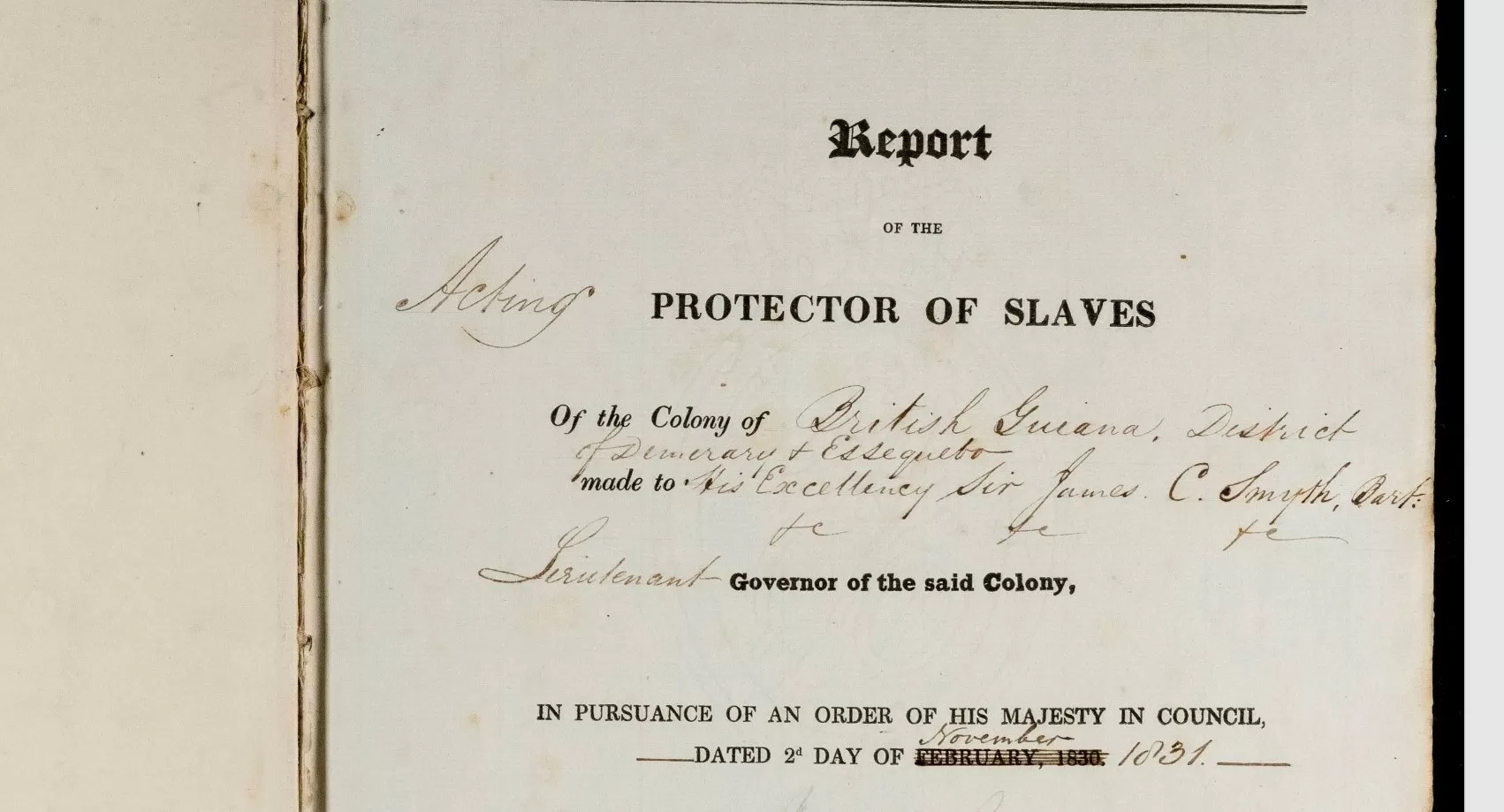
The National Archives is embarking on a groundbreaking project that will bring to light the voices of enslaved people from the Caribbean. In collaboration with international academics, the National Archives is working to make the largest collection of first-person testimony of enslaved individuals from the Caribbean accessible to researchers worldwide. This collection, known as the Reports of the Protectors of Slaves, is a valuable resource that sheds light on the experiences of enslaved people in British Guiana.
The project, titled “Voices in Slavery’s Archive: Law, Place and Testimony in British Guiana,” aims to digitize and map the Reports of the Protectors of Slaves, making it easier for researchers to access and study this important historical document. This initiative is a significant step towards preserving and sharing the stories of those who were once silenced and marginalized.
The Reports of the Protectors of Slaves is a collection of over 2,000 reports written by British colonial officials between 1819 and 1834. These reports contain first-hand accounts of the lives of enslaved people in British Guiana, providing valuable insights into their daily struggles, living conditions, and treatment by their masters. This collection is a testament to the resilience and strength of the enslaved individuals who endured unimaginable hardships and injustices.
For many years, these reports were only available in their original form at the National Archives in London, making it difficult for researchers from other parts of the world to access them. However, with the digitization of this collection, these reports will now be available online, making it possible for researchers from anywhere in the world to study and analyze them.
The project also includes the mapping of the reports, which will provide a visual representation of the locations where the testimonies were given. This will allow researchers to gain a better understanding of the geographical context in which these events took place and the impact of location on the lives of the enslaved individuals.
The digitization and mapping of the Reports of the Protectors of Slaves will not only make it easier for researchers to access this valuable resource, but it will also help preserve it for future generations. The fragile nature of the original documents makes it imperative to digitize them to ensure their long-term preservation. This project will also make the collection more accessible to the general public, allowing individuals to learn about this important aspect of history.
The National Archives is committed to promoting diversity and inclusivity in its collections, and the digitization of the Reports of the Protectors of Slaves is a significant step towards achieving this goal. By making these reports available to a wider audience, the National Archives is giving a voice to the enslaved individuals who were once silenced and overlooked.
The collaboration with international academics is crucial in this project as it brings together a diverse range of perspectives and expertise. This will ensure that the digitization and mapping of the reports are done accurately and with the utmost sensitivity towards the subject matter.
The National Archives is proud to be a part of this groundbreaking project that will bring to light the stories of the enslaved individuals from the Caribbean. The digitization and mapping of the Reports of the Protectors of Slaves will not only enrich our understanding of history but also honor the voices of those who were once silenced. This project is a testament to the National Archives’ commitment to preserving and sharing our collective history.
In conclusion, the National Archives’ collaboration with international academics to digitize and map the Reports of the Protectors of Slaves is a significant step towards making this valuable collection accessible to researchers worldwide. This project will not only provide valuable insights into the lives of enslaved individuals in British Guiana but also ensure that their voices are heard and remembered for generations to come.