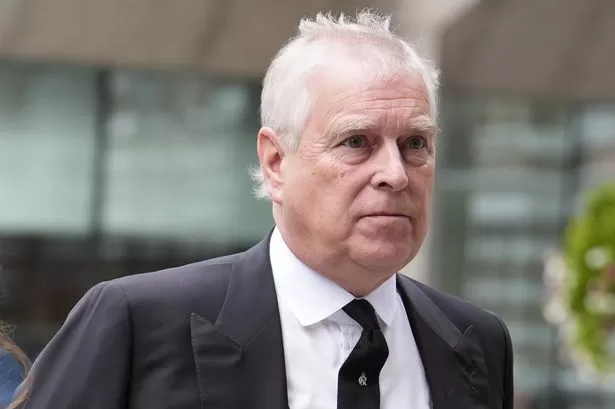
The recent news of Prince Andrew in talks to leave his property voluntarily has raised concerns from Parliament’s spending watchdog. The issue was brought to light when it was revealed that the Duke of York is reportedly discussing the possibility of vacating his home, Royal Lodge, to make way for his nephew, Prince Charles. The move has been met with hesitation from Parliament’s spending watchdog, who is worried about the potential costs and implications of such a deal.
According to reports, Prince Andrew is in discussions with representatives of Prince Charles about potentially giving up Royal Lodge, which has been his official residence since the death of his father, Prince Philip. With Prince Charles set to become the next Duke of Edinburgh, it is likely that he will need to move into a larger, more suitable home befitting of his new title. However, this has sparked concerns from the spending watchdog, who fears the costs involved in such a move.
Already, some estimates suggest the potential cost of moving and refurbishing a new home for Prince Charles could reach up to £2 million. With the Royal Family funded by taxpayers’ money, the watchdog is worried about the added financial burden on the already strained public funds. In addition to the costs, there are also concerns about the potential impact on the local community and the environment. The move is likely to disrupt the peaceful village of Windsor and could have negative consequences for the surrounding areas.
Moreover, there are also logistical complications that need to be addressed. Prince Andrew’s current residence, Royal Lodge, is situated on the grounds of Windsor Castle, which is owned by the Crown Estate. Therefore, any change in tenancy or ownership will require the involvement of the Crown Estate, which manages the estate on behalf of the Queen. This further complicates the situation and could potentially delay or hinder the move if an agreement cannot be reached.
Despite these concerns, it is heartening to see both Prince Andrew and Prince Charles engaging in discussions to resolve this matter without causing any undue pressure on the public funds. The willingness of Prince Andrew to vacate his property voluntarily shows his loyalty and devotion to the Royal Family and his willingness to make sacrifices for the greater good. It also showcases the close relationship between the two brothers, with Prince Andrew putting the needs of his nephew above his own.
Furthermore, this move also aligns with the Queen’s vision of streamlining the Royal Family and its assets. In recent years, Her Majesty has been making efforts to reduce costs, and this move by Prince Andrew is in keeping with that same spirit. As a result, it will not only save money but also streamline the workings of the monarchy.
In conclusion, while the concerns of Parliament’s spending watchdog are valid, it is essential not to overlook the sincerity and goodwill behind these negotiations. Prince Andrew’s voluntary move shows his loyalty to the Royal Family and his commitment to the success of his nephew’s reign. Let us hope that all parties involved can come to a mutually beneficial solution, and that this issue can be resolved peacefully and efficiently.