
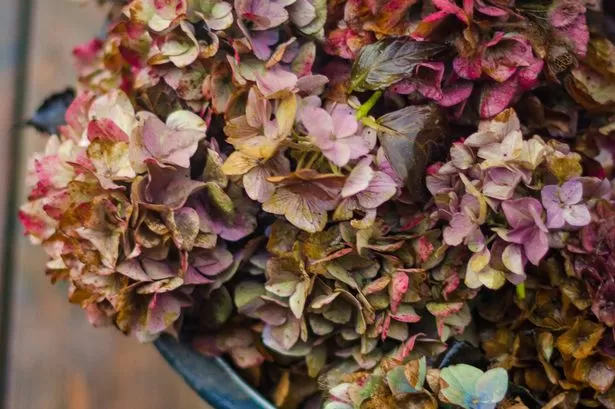
As autumn season approaches, one of the most beloved and popular plants in gardens all over the world, the hydrangeas, start to show signs of stress. The once vibrant and colorful flowers start to fade and wilt, leaving gardeners and plant enthusiasts disappointed and worried. However, there is one simple but crucial gardening task that can make a significant difference in keeping hydrangeas strong and healthy during this time – pruning.
Pruning is an essential task for any gardener, and it becomes even more critical during autumn. It involves the removal of dead, damaged, and diseased branches or stems from a plant. It helps in stimulating new growth, improving the plant’s overall health, and maintaining its shape and appearance. When it comes to hydrangeas, pruning not only helps in keeping them strong but also enhances their blooming potential for the following season.
One of the main reasons why hydrangeas start to show signs of stress during autumn is the change in weather and temperature. As the days get shorter and the temperatures drop, these plants start to prepare for the coming winter by conserving energy. This results in the plant redirecting its resources to the roots, leaving the flowers and leaves to wither and die. By pruning, gardeners can help the plant conserve energy and channel it to the essential parts, making them stronger and better equipped to survive the winter.
Pruning also plays a vital role in preventing diseases and pests from taking over the plant. Dead and damaged branches are breeding grounds for harmful insects and diseases, which can spread to the rest of the plant if not removed. By pruning, these branches are eliminated, reducing the risk of infestation and disease. It also allows for better air circulation and sunlight penetration, creating a healthier environment for the plant to thrive.
Another benefit of pruning during autumn is that it helps in maintaining the shape and appearance of the hydrangea. As the plant grows, it can become overgrown and unruly, taking away from its beauty. By pruning, gardeners can shape the plant according to their desired form, preserving its appearance and enhancing its aesthetic appeal.
Now that we understand the significance of pruning, it is essential to know the right way to prune hydrangeas during autumn. The first step is to identify the type of hydrangea you have as different varieties require different pruning techniques. For example, bigleaf hydrangeas, also known as mophead hydrangeas, bloom on old wood, meaning flowers grow from the previous year’s branches. These should be pruned immediately after flowering in late summer or early autumn.
On the other hand, panicle hydrangeas and smooth hydrangeas bloom on new wood, meaning flowers grow on the current year’s branches. These should be pruned in late winter or early spring before the new growth appears. It is crucial to note that paniculata hydrangeas can also be pruned in late autumn after the flowers have faded, but this will result in fewer blooms the following season.
When it comes to the actual pruning process, start by removing any dead, damaged, or diseased branches. Next, thin out any crowded or crossing branches to improve air circulation and sunlight penetration. Cut these branches at their base or at a point where they join a larger branch. Finally, shape the plant by cutting back any long or unruly branches to maintain its desired form.
It is essential to use clean and sharp pruning tools to avoid damaging the plant. Make sure to disinfect the tools between cuts to prevent the spread of any diseases. It is also helpful to use pruning seal to protect the cut areas from infections and pests.
In conclusion, pruning is a vital gardening task that should not be overlooked, especially during autumn. It helps hydrangeas to conserve energy, prevents diseases and pests, and maintains their shape and appearance. By following the right pruning techniques, gardeners can keep their hydrangeas strong and healthy, ensuring a beautiful display of flowers for the following season. So, don’t neglect this simple but important task and watch your hydrangeas thrive and flourish year after year.