
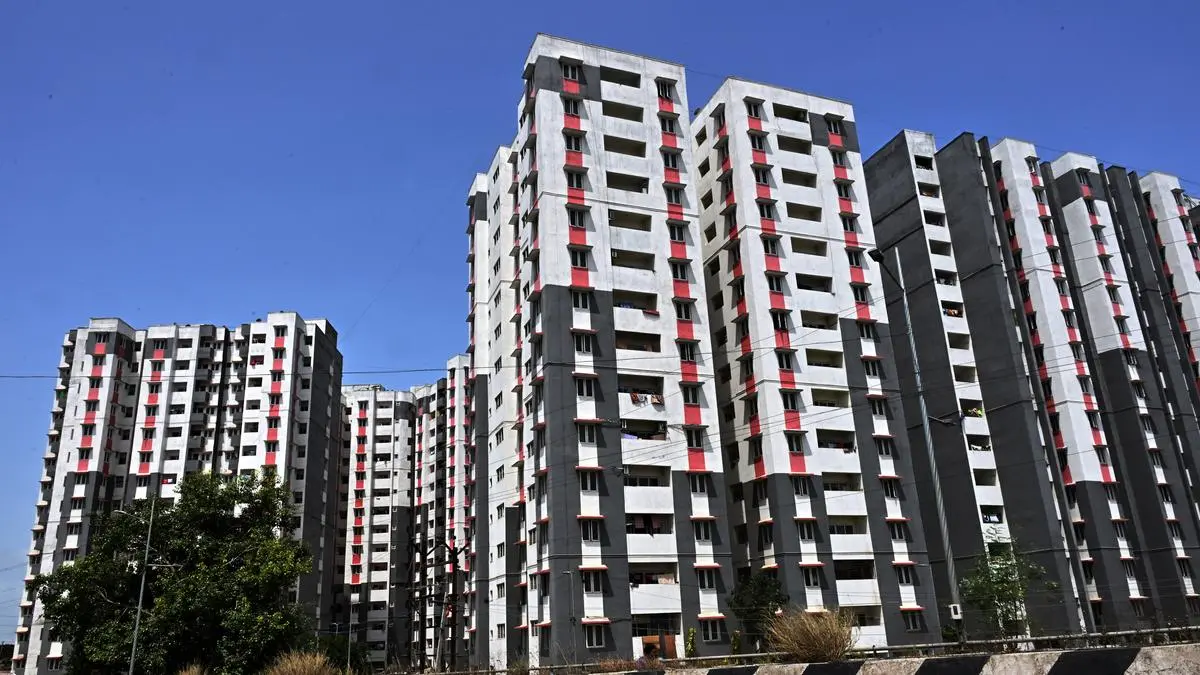
Construction Costs Soar by 40%, But Affordability Remains Achievable
The construction industry has recently been hit with a major blow as costs have skyrocketed by an astounding 40%. This has caused a lot of concern and worry among homeowners, developers and builders alike. The rising costs have caused a squeeze on affordability, making it difficult for many to realize their dreams of owning or building their own homes. However, amidst all this uncertainty, one thing remains certain – the dream of affordable housing is still achievable.
The steep increase in construction costs can be attributed to various factors such as rising material and labor prices, supply chain disruptions, and increasing demand for construction services. The COVID-19 pandemic has only added fuel to the fire, causing delays and disruptions in the construction process. The result – a significant increase in the cost of construction, making it harder for developers and builders to keep up.
One of the major concerns with the rise in construction costs is its effect on the affordability of housing. Many fear that the dream of owning a home may become out of reach for the average person. However, experts in the industry are quick to point out that this may not necessarily be the case. While the increase in costs is a challenge, it is not insurmountable.
One way to tackle the issue of affordability is to focus on innovative and efficient construction methods. With the advancements in technology, there are now more cost-effective and sustainable ways of building homes that can help reduce construction costs. For instance, the use of prefabricated materials and modular construction techniques can significantly cut down on labor and material expenses, thus making homes more affordable.
Moreover, there has been a push towards sustainable and eco-friendly building practices, which may initially seem costly but can actually help reduce long-term costs and improve affordability. By incorporating energy-efficient features and utilizing renewable energy sources, homeowners can save on utility bills and reduce their carbon footprint. This not only benefits the environment but also helps in making homes more affordable in the long run.
In addition to innovative construction methods, there are also government programs and initiatives in place to help make housing more affordable. For instance, first-time homebuyer programs and affordable housing schemes provide financial assistance and incentives to make homeownership more accessible. In some cases, these programs also provide subsidies or tax breaks to developers and builders who incorporate affordable units in their projects.
It is also important to note that the increase in construction costs is not evenly spread across all regions. While certain areas may experience a significant rise, others may see a more moderate increase. This opens up opportunities for homebuyers and builders to explore different locations and find more affordable options.
Furthermore, this increase in costs may also lead to a more competitive market, which can work in favor of homebuyers and builders. As construction companies look for ways to cut costs and stay competitive, they may offer more attractive pricing options and incentives to potential buyers. This can help drive down prices and make homes more affordable.
As we navigate through these challenging times, it is important to remember that the dream of affordable housing is still achievable. While the rise in construction costs may seem daunting, there are solutions and opportunities available that can help make homeownership a reality for many. With the right approach and mindset, we can overcome this hurdle and continue to build a better future for ourselves and our communities. So let us stay positive and work towards achieving the goal of affordable housing for all.