
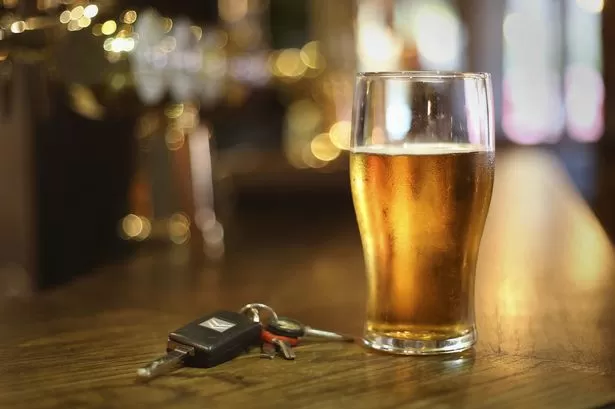
As the world continues to evolve, so do our laws and regulations. One such law that has remained unchanged for over half a century is the drink driving limit. However, recent discussions have sparked the possibility of reducing this limit for the first time in many years. This potential change has raised concerns and questions among the public, especially regarding how long alcohol remains in our bodies. In this article, we will delve into the importance of understanding the effects of alcohol on our bodies and how long it stays in our system.
First and foremost, let us understand what the current drink driving limit is and what it means. In most countries, the legal limit for blood alcohol concentration (BAC) while driving is 0.08%. This means that if you have a BAC of 0.08% or higher, you are considered legally impaired and can face serious consequences, including fines, license suspension, and even jail time. This limit has been in place for decades, and many argue that it is outdated and needs to be revised.
The proposed reduction in the drink driving limit is aimed at promoting road safety and reducing the number of alcohol-related accidents. According to a study by the National Highway Traffic Safety Administration, reducing the BAC limit to 0.05% could save up to 1,500 lives every year in the United States alone. This is a significant number that cannot be ignored, and it highlights the importance of understanding how long alcohol remains in our bodies.
The amount of time alcohol stays in our system varies from person to person. It depends on several factors such as weight, gender, age, and the amount and type of alcohol consumed. On average, it takes about one hour for the body to process one standard drink, which is equivalent to 12 ounces of beer, 5 ounces of wine, or 1.5 ounces of liquor. However, this is just an estimate, and the actual time may vary.
The liver is responsible for breaking down alcohol in our bodies. It can only process a certain amount of alcohol at a time, and the rest is circulated in the bloodstream until the liver can catch up. This is why it is crucial to understand that even if you have stopped drinking, your BAC can continue to rise for some time before it starts to decrease. This is known as the “rising BAC” phenomenon and is one of the reasons why it is challenging to determine how long alcohol remains in our bodies accurately.
Apart from the physical effects of alcohol, it also affects our cognitive abilities, making it dangerous to drive even if our BAC is below the legal limit. Alcohol impairs our judgment, reaction time, and coordination, which are all essential skills needed for safe driving. This is why it is crucial to plan ahead and have a designated driver or use alternative modes of transportation if you plan on drinking.
Moreover, it is essential to note that the effects of alcohol can vary from person to person. Some may feel the effects of alcohol quicker than others, and some may be able to handle their alcohol better. This is why it is crucial to know your limits and not rely on the legal drink driving limit as a measure of your impairment.
In addition to understanding how long alcohol remains in our bodies, it is also essential to know how to sober up quickly. Contrary to popular belief, drinking coffee, taking a cold shower, or exercising will not help you sober up faster. The only way to sober up is to give your body time to process the alcohol. Drinking water and eating food can help, but they will not speed up the process. The best way to avoid getting behind the wheel while still impaired is to plan ahead and have a designated driver or use alternative modes of transportation.
In conclusion, as the possibility of reducing the drink driving limit is being discussed, it is crucial to understand the effects of alcohol on our bodies and how long it remains in our system. The proposed change is aimed at promoting road safety and reducing the number of alcohol-related accidents. However, it is ultimately our responsibility to make responsible decisions and not rely solely on the legal limit as a measure of our impairment. Let us all do our part in making our roads safer for everyone.