
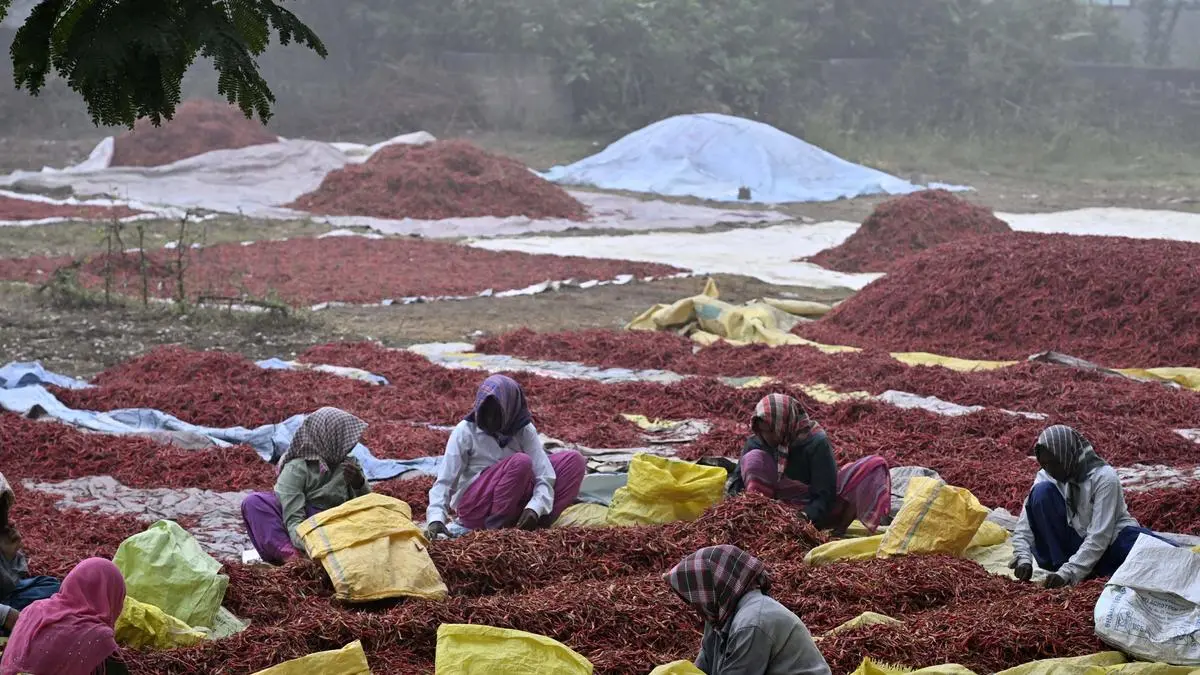
The region of Kerala, located in the southern part of India, is known for its lush green landscapes, backwaters, and rich cultural heritage. But did you know that this beautiful state is also a hub for spice production? With an average annual rainfall of 3,400 mm spread across 180 days and a climate highly conducive to spice production, the region offers ideal conditions for growing a wide variety of spices.
Kerala, also known as the “Spice Garden of India”, has been a major player in the global spice trade for centuries. The state is blessed with a unique geographical location, lying between the Western Ghats and the Arabian Sea, which creates a perfect climate for spice cultivation. The high humidity and moderate temperature throughout the year provide the ideal conditions for the growth of spices.
The state’s spice production is mainly concentrated in the hilly regions of Idukki, Wayanad, and Palakkad. These areas receive the highest amount of rainfall, making them ideal for spice cultivation. The most commonly grown spices in Kerala include pepper, cardamom, cinnamon, nutmeg, and cloves. These spices are not only used in Indian cuisine but are also in high demand in the international market.
One of the main reasons for the success of spice production in Kerala is the traditional farming methods used by the farmers. The state has a long history of spice cultivation, and the knowledge and techniques have been passed down from generation to generation. The farmers here have a deep understanding of the land and its needs, which has resulted in sustainable farming practices. The use of organic fertilizers and natural pest control methods ensures that the spices produced in Kerala are of the highest quality.
The state government has also played a significant role in promoting spice production in Kerala. The Department of Agriculture has implemented various schemes and programs to support and encourage spice cultivation in the state. The government provides subsidies for the purchase of high-quality seeds and equipment, as well as training programs for farmers to improve their skills and knowledge. These initiatives have not only helped in increasing the production of spices but also in improving the livelihoods of the farmers.
The ideal climate and traditional farming methods have made Kerala a leading producer of spices in the world. The state accounts for 90% of India’s cardamom production and 70% of its pepper production. The spices produced in Kerala are known for their distinct aroma, flavor, and quality, making them highly sought after in the global market. The state’s spice exports contribute significantly to the Indian economy, with an annual turnover of over Rs. 3,000 crores.
Apart from the economic benefits, spice production in Kerala also has a positive impact on the environment. The traditional farming methods used here are eco-friendly and do not harm the soil or the surrounding ecosystem. The lush green spice plantations also act as carbon sinks, helping to reduce the effects of climate change.
The state of Kerala is not only a major producer of spices but also a popular tourist destination. The spice plantations here attract thousands of tourists every year who come to witness the beauty of these farms and learn about the different spices grown here. Many spice farms also offer guided tours, where visitors can see the cultivation process and even participate in activities like plucking and processing of spices.
In conclusion, the region of Kerala is truly a paradise for spice production. With its ideal climate, traditional farming methods, and government support, the state has established itself as a leader in the global spice market. The production of high-quality spices not only benefits the economy but also promotes sustainable farming practices and preserves the rich cultural heritage of the state. So, the next time you use spices in your cooking, remember that they may have come all the way from the beautiful state of Kerala.