
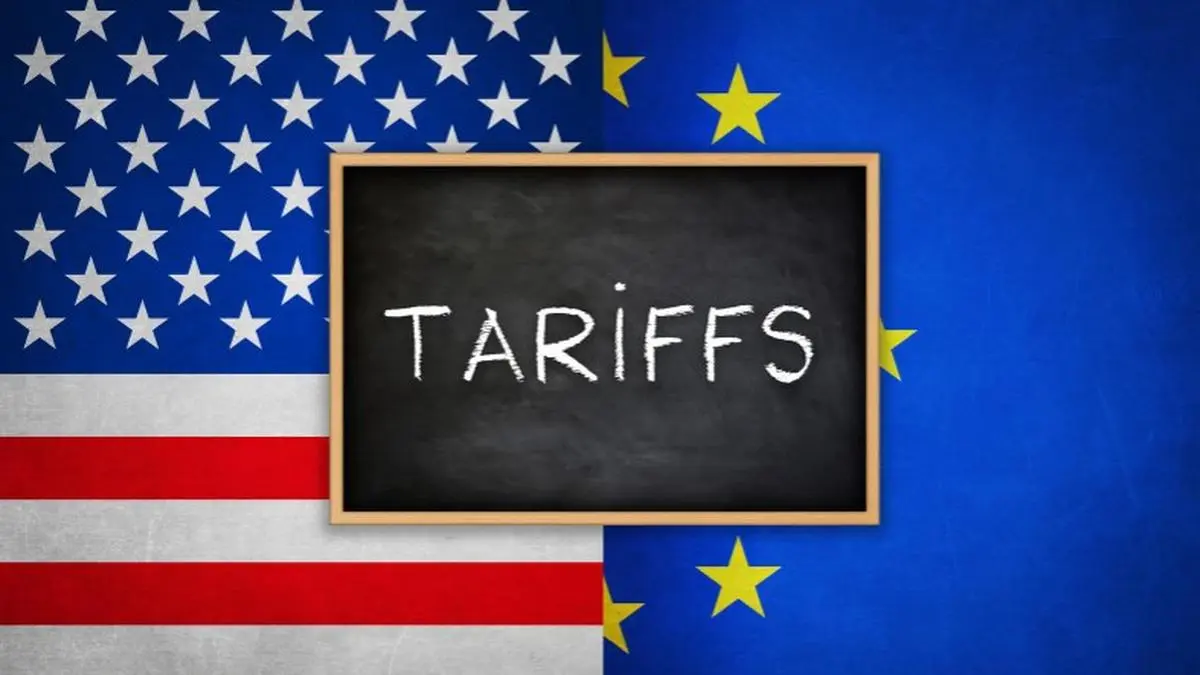
Full List: Trump’s New Reciprocal Tariffs on Global Imports
In a move that has sparked both controversy and support, President Donald Trump has announced a new list of tariffs on global imports. These tariffs, which are set to take effect on July 6th, are part of the administration’s efforts to address what they see as unfair trade practices by other countries.
The list includes over 800 products from various countries, ranging from steel and aluminum to consumer goods such as televisions and dishwashers. The tariffs will range from 10% to 25%, with an estimated value of $50 billion. This is in addition to the previously announced tariffs on steel and aluminum imports from Canada, Mexico, and the European Union.
The decision to impose these tariffs has been met with mixed reactions. Some argue that it will protect American industries and jobs, while others fear it will lead to a trade war and harm the economy. However, President Trump has defended the move, stating that it is necessary to protect American interests and create a more level playing field for trade.
One of the main targets of these tariffs is China, which has been accused of engaging in unfair trade practices such as intellectual property theft and forced technology transfers. The list includes a wide range of Chinese products, from industrial machinery to medical devices. This move is seen as a way to pressure China into changing its trade policies and reducing the trade deficit between the two countries.
Another target is the European Union, which has been criticized by President Trump for its high tariffs on American goods. The list includes products such as motorcycles, bourbon, and jeans, which are all iconic American products. This is seen as a way to retaliate against the EU’s tariffs and negotiate a more favorable trade deal.
Canada and Mexico, two of America’s closest allies, are also affected by these tariffs. The decision to impose tariffs on these countries has strained relationships and raised concerns about the future of the North American Free Trade Agreement (NAFTA). However, President Trump has stated that these tariffs will be lifted if a new NAFTA deal is reached.
While the immediate impact of these tariffs is yet to be seen, there are concerns about the potential consequences. Many fear that the cost of these tariffs will be passed on to consumers, leading to higher prices for goods. There are also concerns about the impact on American businesses that rely on imported products for their operations.
However, supporters of these tariffs argue that they will protect American industries and jobs. They believe that by imposing tariffs on foreign products, American companies will be able to compete on a more level playing field. This, in turn, will lead to the growth of domestic industries and the creation of more jobs.
President Trump has also stated that these tariffs are a negotiating tactic and that he is open to making deals with other countries. He believes that by imposing tariffs, he can bring other countries to the negotiating table and reach more favorable trade agreements.
In conclusion, the full list of Trump’s new reciprocal tariffs on global imports is a bold move that has sparked both praise and criticism. While there are concerns about the potential consequences, supporters believe that it will ultimately benefit the American economy. Only time will tell the true impact of these tariffs, but one thing is for sure – they have put the issue of fair trade practices at the forefront of global discussions.